We Offer Financing!
Staying Cool, Efficient, and Healthy
Key Takeaways
- Summer in Central Ohio and Southwest Florida brings hot, humid weather from late May through September, making a reliable air conditioning system essential for comfort and health.
- Modern, energy efficient hvac systems and heat pumps can cut cooling costs by up to 50% compared to aging units while improving indoor air quality and humidity control.
- Dor-Mar Heating, Air Conditioning & Plumbing offers AC repair, replacement, tune-ups, and indoor air quality solutions tailored to summer conditions in both Central Ohio and Southwest Florida.
- Regular maintenance in spring and early summer prevents breakdowns during July–August heat waves, and regular maintenance can extend the life of cooling systems by years.
- Homeowners can schedule service or request a free estimate with Dor-Mar and consider the Home Comfort Membership for priority summer support.
Introduction: What Summer Really Feels Like in Our Service Areas
Summer hits differently depending on where you live, but in both Central Ohio and Southwest Florida, it hits hard. Columbus and surrounding communities regularly see highs in the upper 80s to mid-90s°F from June through August, with humidity that makes the air feel thick and heavy. In Southwest Florida, the season stretches from May through October-months of daily 90°F-plus heat, afternoon thunderstorms, and a level of humidity that can make stepping outside feel like walking into a wall.
Staying cool during summer heat is essential to avoid heat-related illnesses, especially for children, older adults, and anyone with respiratory conditions. Beyond health, prolonged heat and sticky air wreck sleep, spike utility bills, and punish hvac equipment that isn’t ready for the load. This guide covers what you can do about it: choosing the right cooling systems, improving air quality, building smart habits, and knowing when your system needs professional attention.
Dor-Mar Heating, Air Conditioning & Plumbing has been helping families in both regions since 1962. That experience-across two very different climates-shapes everything that follows.
Understanding Summer Weather and Its Impact on Your Home
Heat alone is manageable. Humidity is what makes summer genuinely miserable indoors. In Columbus and Gahanna, dew points regularly climb into the 60s°F during July and August. That means even when the thermometer reads 82°F, it can feel closer to 92°F because your body can’t shed moisture effectively. Your air conditioner isn’t just fighting temperature-it’s fighting the water in the air.
In Fort Myers and Naples, the situation is more intense. Dew points often exceed 70°F, and morning relative humidity can top 90%. The air conditioning system in a Southwest Florida home runs nearly year-round, but summer is where it earns its keep. The load on the system doubles: it must cool the air and wring out moisture simultaneously.
This dual demand creates several factors that homeowners notice quickly. Ductwork sweats and drips when cooled air meets warm, moist air in unconditioned spaces like attics. Rooms farthest from the air handler stay stuffy while the room near the thermostat feels fine. Electric bills climb week after week. Musty smells creep in, signaling that humidity is winning. In both Ohio and Florida, understanding this dynamic is the first step toward solving it.
How Air Conditioning Systems Keep You Comfortable in Summer
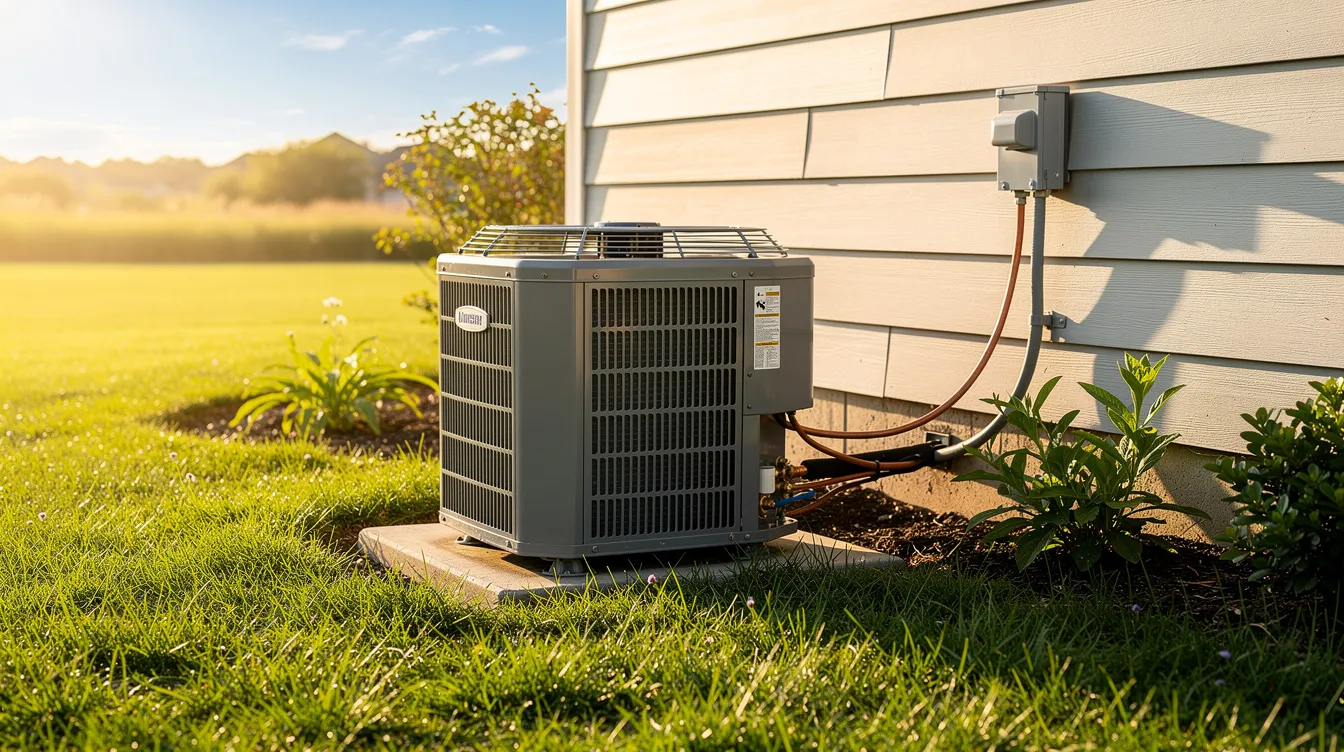
HVAC stands for Heating, Ventilation, and Air Conditioning, and during summer, that last part does the heavy lifting. Here’s the simplified version of how your air conditioning system works: warm indoor air is pulled through a return duct, passes over a cold evaporator coil inside the indoor unit, and releases its heat and moisture. The refrigerant inside the coil absorbs that heat and carries it outside to the condenser coil, where the outdoor unit dumps it into the surrounding air. This refrigeration cycle repeats continuously until your home reaches the set indoor temperature.
The key components homeowners should recognize:
- Outdoor unit (condenser): Rejects heat outdoors. Needs clear airflow around it to function.
- Indoor coil (evaporator coil): Absorbs heat and moisture from your home’s air.
- Air handler or furnace blower: Moves air through the system and ductwork. Controls the flow of cooled air throughout your home.
- Ductwork: Carries and distributes air from hvac units to each room, typically built from sheet metal or insulated flexible material.
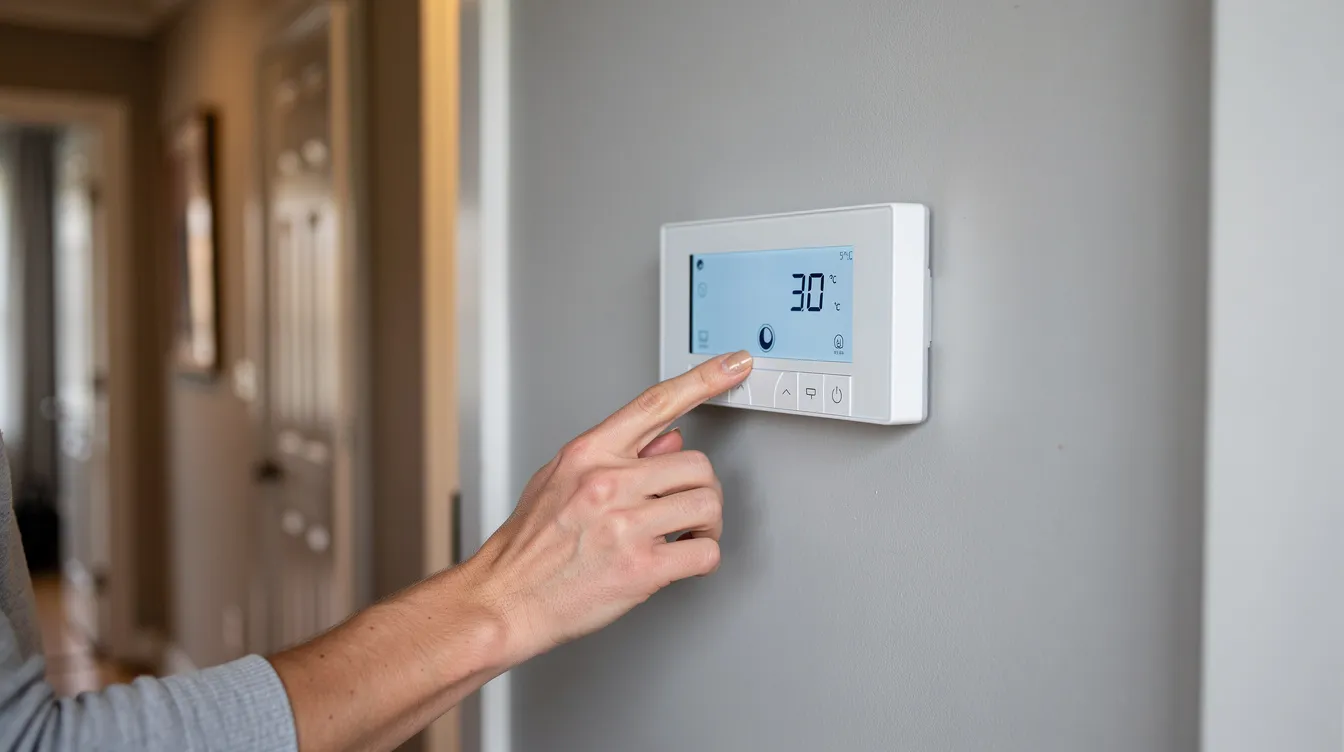
- Thermostat: Your control interface for temperature, scheduling, and increasingly, humidity.
- Metering device: Regulates refrigerant flow between the indoor and outdoor components.
A BTU, or British Thermal Unit, measures the heat required to change water temperature by 1°F-and it’s the standard unit for sizing cooling equipment. Proper sizing matters enormously. An oversized ac unit cools too fast, shuts off before removing enough humidity, and short cycles. An undersized unit runs nonstop without ever reaching the set temperature on peak days. Both waste energy and shorten equipment life.
A heat pump can both heat and cool a home. In cooling mode, it works identically to a standard air conditioner. Many Central Ohio and Southwest Florida homes now use heat pump systems year-round for exactly this reason.
Common Types of Summer Cooling Systems
A split system is the most common HVAC type in homes-one outdoor unit connected to one indoor unit, with ductwork distributing air. In Ohio, this often means a split AC paired with a gas furnace that serves as the air handler in summer and provides supplemental heat in winter. In Florida, it’s frequently a heat pump split system that handles both seasons from a single setup.
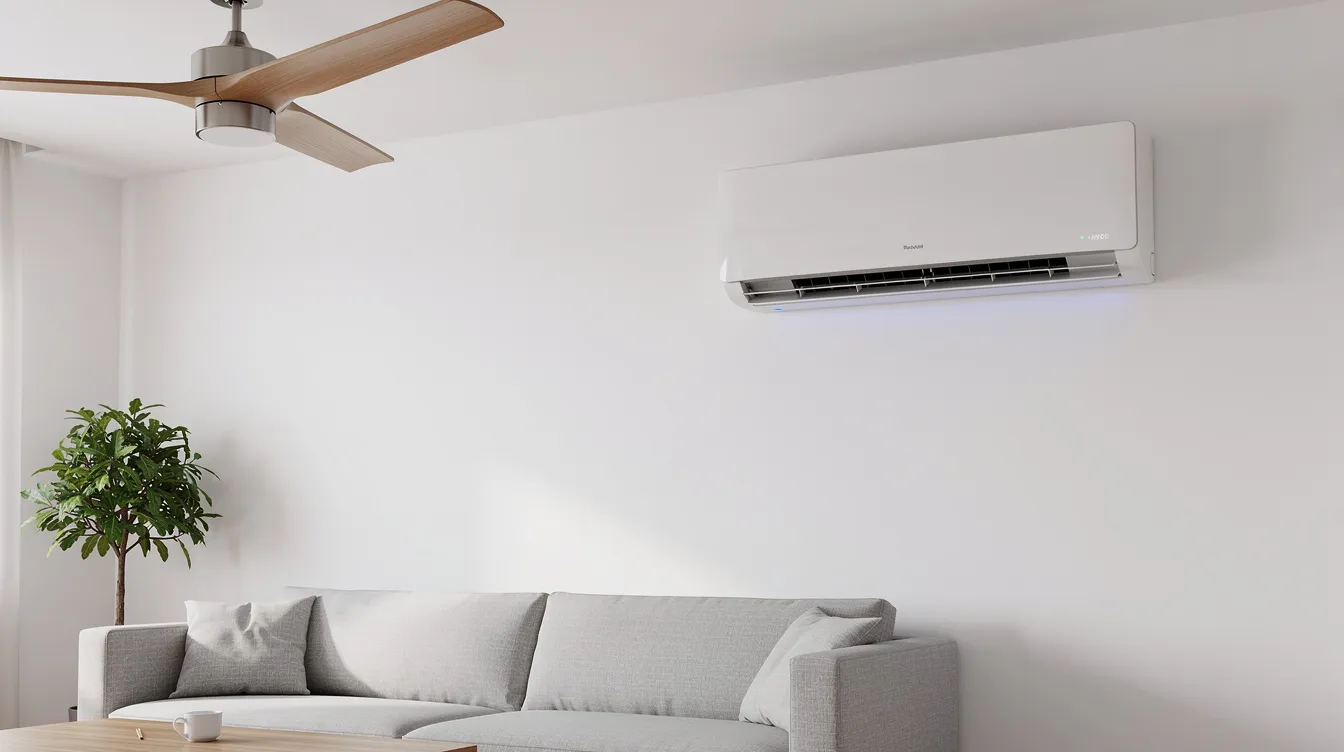
Ductless mini-split systems fill a different niche. They connect an outdoor unit directly to wall-mounted indoor units-no ductwork required. Ductless mini-split systems can have up to 8 indoor units served by a single outdoor unit, making them practical for condos, older homes, additions, and single family homes where running new ducts would be expensive or impractical.
HVAC installation costs vary based on system type and size. A new ac unit costs between $2,500 and $7,500 depending on capacity, efficiency tier, and installation complexity. Geothermal heat pumps have higher upfront costs than standard heat pumps but offer long-term savings in moderate climates.
Consider a real-world example: an Ohio homeowner replacing an aging 10 SEER air conditioner with a modern 16 SEER2 system before summer. That upgrade delivered roughly 50% reduction in cooling energy consumption during the season. The higher upfront cost paid for itself through dramatically lower electric bills and far better humidity control. A Dor-Mar comfort specialist can evaluate which system offers the best match of performance, energy efficiency, and budget for your specific home.
Energy Efficiency in Summer: Lower Bills, Better Comfort
Cooling is typically the largest single line item on electric bills from June through September. During heat waves and high humidity periods, energy consumption spikes as systems run longer and harder. This is where efficiency ratings matter.
SEER ratings measure air conditioning efficiency over a cooling season. The current industry minimum SEER rating is 14 SEER, though the updated SEER2 standard-effective since January 2023-uses more realistic testing conditions that better reflect actual home performance. SEER2 measures cooling efficiency over temperatures from 65-104°F, with higher external static pressure to simulate real ductwork resistance. The energy efficiency ratio (EER2) captures peak performance during the hottest conditions.
Regional minimums differ. Ohio (DOE North Region) requires a minimum SEER2 of 13.4 for split ACs, while Florida (Southeast Region) requires at least 14.3 SEER2 for many systems. But minimum isn’t optimal. Moving to a 16–18 SEER2 system delivers the “sweet spot” of comfort improvement and cost savings for most homeowners in both regions.
Using energy-efficient systems can lower utility bills significantly. Energy-efficient systems may qualify for rebates or incentives, including federal tax credits under the Inflation Reduction Act’s Section 25C provisions. The overall expense of upgrading often pencils out faster than homeowners expect-particularly when replacing a system that’s 12-15 years old and bleeding efficiency.
Simple Summer Cooling Habits that Save Energy
You don’t need a new system to start saving energy this summer. These habits make a measurable difference:
- Thermostat setpoints: Set your thermostat to 76–78°F when home and 82–85°F when away. Avoid constant changes that force the system to work harder.
- Ceiling fans: Run them counterclockwise in summer. Ceiling fans can reduce perceived temperature by increasing evaporation on your skin. Turn them off in empty rooms-fans cool people, not rooms.
- Window management: Close blinds on west- and south-facing windows during afternoon heat. Low-E films help in both summer and winter.
- Reduce heat sources: Limit oven, dishwasher, and dryer use during peak afternoon hours. Use exhaust fans when cooking or showering to remove stale air and excess moisture.
Raising the thermostat just 1–2°F while using ceiling fans can maintain comfort while easing the load on your air conditioning system. These small adjustments compound into meaningful energy savings over a full summer.
Schedule an early-summer AC or heat pump tune-up with Dor-Mar to restore lost system efficiency, check refrigerant charge, and clean components before the hardest-working months arrive, or reach out through their contact options for prompt service. When the cost of constant repairs and higher energy bills starts approaching the cost of replacing your old hvac equipment with a more energy efficient model, it’s time to have that conversation.
Heat Pumps vs. Traditional AC: Smart Cooling for Modern Summers
A modern heat pump functions as an air conditioner in summer and an efficient heater in shoulder seasons or mild winters, all through a single system that reverses its refrigeration cycle depending on the season. In cooling mode, it pulls heat from indoor air and rejects it outside-identical to a standard AC. In heating mode, it acts as a heat source by extracting warmth from outdoor air (even cold outdoor air) and moving it inside.
| Feature | Traditional AC | Heat Pump |
|---|---|---|
| Summer cooling | Yes | Yes |
| Winter heating | Requires separate furnace | Built-in (with supplemental heat option) |
| Best climate fit | Any, with separate heating | Moderate climates; dual-fuel for cold winters |
| Efficiency advantage | Standard SEER2 range | Often higher SEER2; variable-speed options |
| Year-round versatility | Cooling only | Heating + cooling in one system |
| For Florida homeowners, heat pump systems are the dominant choice. The mild winters rarely challenge a heat pump’s capacity, and modern variable-speed units improve humidity removal by running at lower speeds for longer cycles. Some studies show heat pumps using up to 50% less electricity compared to older AC systems during cooling seasons with heavy humidity loads. |
Dor-Mar installs and services heat pumps, dual-fuel hvac systems, and traditional AC setups across both service regions, offering a full range of heating and cooling products and services.
When a Heat Pump Makes the Most Summer Sense
Heat pumps shine in several specific scenarios:
- All-electric homes without natural gas service
- Florida properties needing efficient year-round cooling with only occasional mild heating
- Ohio homes where pairing a heat pump with a gas furnace creates a dual-fuel system-the heat pump handles cooling and moderate-temperature heating, while a high-efficiency furnace (a 97% AFUE rating means 97% of fuel is used for heating) covers the coldest stretches
When exploring new heat pump options, ask about HSPF2 and SEER2 ratings to confirm the system is truly an energy efficient choice. Proper installation, correct refrigerant charge, and matching with the right air handler or furnace are all crucial for achieving the promised savings. A system that’s perfectly rated on paper but poorly installed delivers neither the comfort nor the efficiency you paid for. New construction projects and replacing equipment in existing homes both benefit from professional Manual J load calculations to ensure proper sizing.
Indoor Air Quality During Summer
When windows stay shut and the AC runs constantly from June through September, your home can become a sealed box. Fresh air stops entering. Stale air, volatile organic compounds, pet dander, dust mite allergens, and other pollutants accumulate. High humidity feeds mold and mildew growth. The result: indoor air quality suffers precisely when you’re spending the most time indoors.
Indoor air quality simply means the condition of the air inside your home-how clean, how humid, how well-ventilated. Poor air quality connects directly to asthma flare-ups, allergy symptoms, headaches, and general discomfort during long summer stretches. A minimum of four air changes per hour is typical for comfort in residential spaces, but many older homes with leaky ducts or no mechanical ventilation fall short.
Key solutions include:
- High-performance filters (MERV 13+): Trap fine particles, pollen, and allergens
- Whole-house dehumidifiers: Control moisture independent of temperature
- UV lights: Reduce microbial growth on coils and in ducts, though recent NIST research notes that certain UV wavelengths can produce secondary byproducts, so proper selection matters
- Whole-home air cleaner and ventilation systems: Bring in controlled fresh air while filtering pollutants, providing mechanical ventilation even when windows are sealed
Dor-Mar offers indoor air quality evaluations and HVAC maintenance packages with products that integrate with your existing system.
Dehumidification and Comfort
Indoor humidity above 50–55% makes rooms feel warmer than the thermostat suggests, promotes musty odors, and can damage wood floors, drywall, and furnishings over time. The ideal range is 30–50% relative humidity year-round.
Your cooling system’s evaporator coil handles dehumidification as a byproduct of cooling: warm, humid air passes over the cold coil, moisture condenses, and water drains away. But this only works when the system runs long enough per cycle. Oversized systems, duct leaks, or short cycling undermine this process.
A dedicated whole-house dehumidifier removes moisture independently of temperature, making it especially valuable during Florida summers, in damp Ohio basements, or in homes with oversized AC units. If your hygrometer consistently reads above 55% RH during summer-even though your thermostat is satisfied-contact Dor-Mar to discuss humidity control solutions that address the root cause.

Preparing Your HVAC System for Summer
The best time to prepare is before you need your system most. Follow this seasonal checklist in late spring-April through May in Ohio, March through April in Florida:
DIY tasks:
- Change or clean air filters (every 1–3 months during cooling season)
- Clear leaves, grass clippings, and debris from around the outdoor unit (maintain 2 feet of clearance)
- Gently rinse condenser coil fins with a garden hose
- Test the system before the first 90°F day to confirm it starts, runs, and cools
- Verify the condensate drain line is clear and draining properly
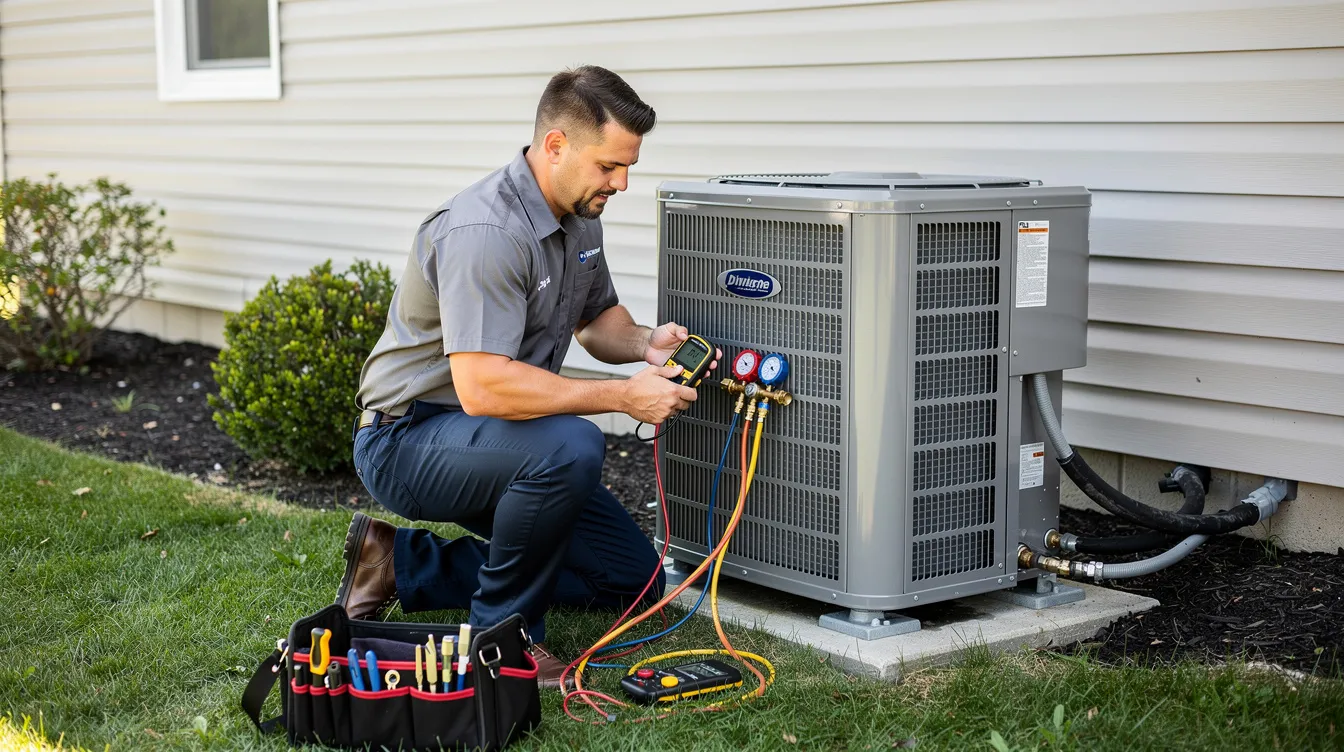
Professional tune-up (what a Dor-Mar technician covers):
- Checking and adjusting refrigerant charge
- Tightening electrical connections and testing capacitors
- Cleaning evaporator and condenser coils
- Measuring airflow and verifying duct integrity
- Calibrating the thermostat and testing safety controls
Older systems-10 to 15 years or more-need closer inspection each spring. Components wear out gradually, and a system that limped through last summer may not survive July this year. An hvac technician can identify problems before they become emergency calls.
Signs Your Cooling System May Not Survive Another Summer
Watch for these warning signs before or during summer:
- Electric bills rising steadily compared to the same period last year
- Frequent short cycling (system turns on and off every few minutes)
- Rooms that refuse to cool despite the system running
- Unusual noises-grinding, buzzing, or banging from the unit
- Ice forming on refrigerant lines or the outdoor unit
Repeated refrigerant top-offs, capacitor failures, or compressor problems point toward end-of-life. Replacing a compressor can cost $1,000 to $2,500, and on a system already past its prime, that money is often better invested in a new system that meets current building codes and efficiency standards.
Hvac engineers and hvac industry professionals generally recommend replacing rather than repairing when the system is over 12–15 years old and facing a major component failure. Schedule a professional assessment with air conditioning contractors before peak season to compare options. Dor-Mar offers free estimates on new hvac systems and helps homeowners plan replacements before an emergency breakdown forces a rushed decision.
Summer Services from Dor-Mar Heating, Air Conditioning & Plumbing
Dor-Mar provides the full range of summer-focused services: AC repair, heat pump service, new system installation, seasonal tune-ups, indoor air quality solutions, and emergency hvac support-including same-day repairs when summer breakdowns can’t wait-as part of their comprehensive home comfort services.
Service areas span Central Ohio communities including Gahanna, Columbus, and surrounding Franklin County neighborhoods, as well as Southwest Florida locations covered on Dor-Mar’s locations page. Whether you’re dealing with humid climates year-round or intense but shorter summer seasons, every hvac professional on the Dor-Mar team understands the local conditions that shape informed decisions about cooling, efficiency, and comfort.
The Dor-Mar Home Comfort Membership is built for homeowners who want to stay ahead of summer problems: priority scheduling during peak months, discounted repairs, and regular maintenance visits that keep systems running at their best.
Ready to prepare for summer? Schedule service online or call for a same-day or next-day appointment before temperatures climb.
FAQ
These questions cover practical summer concerns not fully addressed above. Answers are tailored to Central Ohio and Southwest Florida conditions.
How often should I run my air conditioner in summer to protect my home, not just my comfort?
During hot, humid stretches, running the AC regularly does more than keep you comfortable-it controls indoor humidity, protects wood floors and furniture, and prevents mold growth. Keep the system running to maintain humidity around 45–50% RH rather than turning it completely off for extended periods. If you’re on vacation in July or August, raise the thermostat to around 80–82°F rather than shutting the system off entirely. This balances energy savings with moisture control and prevents returning to a damp, musty home. Seek out air-conditioned spaces during the hottest hours in summer, and drink plenty of water to stay hydrated during summer activities-you can monitor hydration by checking urine color for dark yellow, which signals dehydration.
Is it better to repair or replace my old AC before peak summer?
Several factors drive this decision: system age, frequency of recent repairs, repair cost relative to a new ac unit cost, available energy savings from a higher-efficiency replacement, and current comfort performance. In many cases, if the unit is over 12–15 years old and needs a major repair like a compressor, replacing before summer is more cost-effective. Dor-Mar can provide side-by-side repair vs. replacement estimates so you can weigh the overall expense against long-term savings before the hottest months arrive.
Can ceiling fans really help my AC keep up during summer heat waves?
Ceiling fans do not lower air temperature, but they improve comfort by moving air across your skin and increasing evaporative cooling. Using fans allows you to raise the thermostat by about 1–2°F while feeling just as cool, reducing strain on your cooling equipment. Run ceiling fans counterclockwise in summer and turn them off in empty rooms to avoid wasting electricity. Natural ventilation can be achieved by opening windows and doors on cooler mornings or evenings, but once outdoor temperatures and humidity spike, rely on your AC. Also remember to wear lightweight and light-colored clothing to stay cool in summer, use cooling routines such as cool showers or damp towels to reduce body temperature, and schedule strenuous outdoor activities for cool early morning or late evening hours. Apply broad-spectrum sunscreen with an SPF of 30 or higher during outdoor activities, and for detailed guidance on heat risk, consult the CDC Heat and Health portal.
Should I close vents in unused rooms during summer to save energy?
Closing too many supply vents actually increases pressure inside the ductwork, reduces airflow across the evaporator coil, and can harm system efficiency and performance. In some cases it causes the coil to freeze, creating bigger problems. Keep most vents open and instead work with an hvac professional on zoning, damper balancing, or other solutions if certain rooms are consistently too hot or too cold. Whole house airflow balance is something Dor-Mar can evaluate and correct safely.
How can I tell if my summer humidity problem is from my AC or something else?
Start with simple checks: confirm the AC runs for at least 10–15 minutes per cycle rather than short cycling, verify the condensate drain is actively dripping when the system runs, and monitor indoor humidity with a basic hygrometer. If the thermostat shows the right temperature but humidity stays above 55%, the issue may be oversizing, duct leaks, or an aging system that can no longer maintain adequate dehumidification. Heated water from showers and cooking also contributes moisture. If you notice persistent humidity, musty odors, or window condensation during summer, schedule a professional evaluation with Dor-Mar to identify the root cause and explore targeted solutions.