We Offer Financing!
Homeowners in Central Ohio Air Conditioning Guide
If you’ve ever stepped into a cool, comfortable home on a sweltering August afternoon in Columbus, you already know why air conditioning matters. But understanding how your air conditioning system actually works—and how to keep it running efficiently—can save you money, prevent breakdowns, and keep your family healthier year-round.
This guide covers everything Central Ohio homeowners need to know about residential cooling, from the basic refrigeration cycle to choosing the right equipment, maintaining your system, and knowing when it’s time to upgrade.
What is air conditioning and why it matters for your home comfort
At its core, an air conditioner does something counterintuitive: it doesn’t create cold air. Instead, it removes heat and moisture from your indoor air and transfers that heat outside. This process transforms stuffy, humid rooms into comfortable living spaces where you can breathe easier, sleep better, and stay healthy during extreme weather.
Air conditioning is one component of a broader HVAC system—heating, ventilation, and air conditioning—that works together to manage your home’s temperature, air circulation, and air quality. The HVAC industry sets standards and codes to ensure these systems are designed, installed, and maintained for safety and efficiency. Modern HVAC systems can include various components such as air conditioners, heat pumps, air handlers, furnaces, air cleaners, humidifiers, and dehumidifiers, all working together to provide home comfort. When these elements function properly, you barely notice them. When they don’t, life gets uncomfortable fast.
Why AC is critical in Central Ohio
Central Ohio summers from June through August bring average highs of 82-85°F with relative humidity often exceeding 70%. That combination makes outdoor activities exhausting and indoor comfort impossible without mechanical cooling.
In this humid climate, air conditioning does double duty: lowering temperature and removing moisture. AC units reduce the risk of heat stroke, dehydration, and asthma attacks by controlling temperature and lowering humidity. Air conditioning helps prevent heat-related illnesses, improves indoor air quality, and promotes better sleep—benefits that matter for every family member.
Since 1962, Dor-Mar Heating, Air Conditioning & Plumbing has helped homeowners across Central Ohio communities like Gahanna and Columbus stay comfortable through every heat wave. Our technicians understand the specific challenges this region faces and tailor solutions accordingly.
Ready to ensure your cooling system is ready for summer? Schedule AC repair, installation, or a tune-up online or call us today.
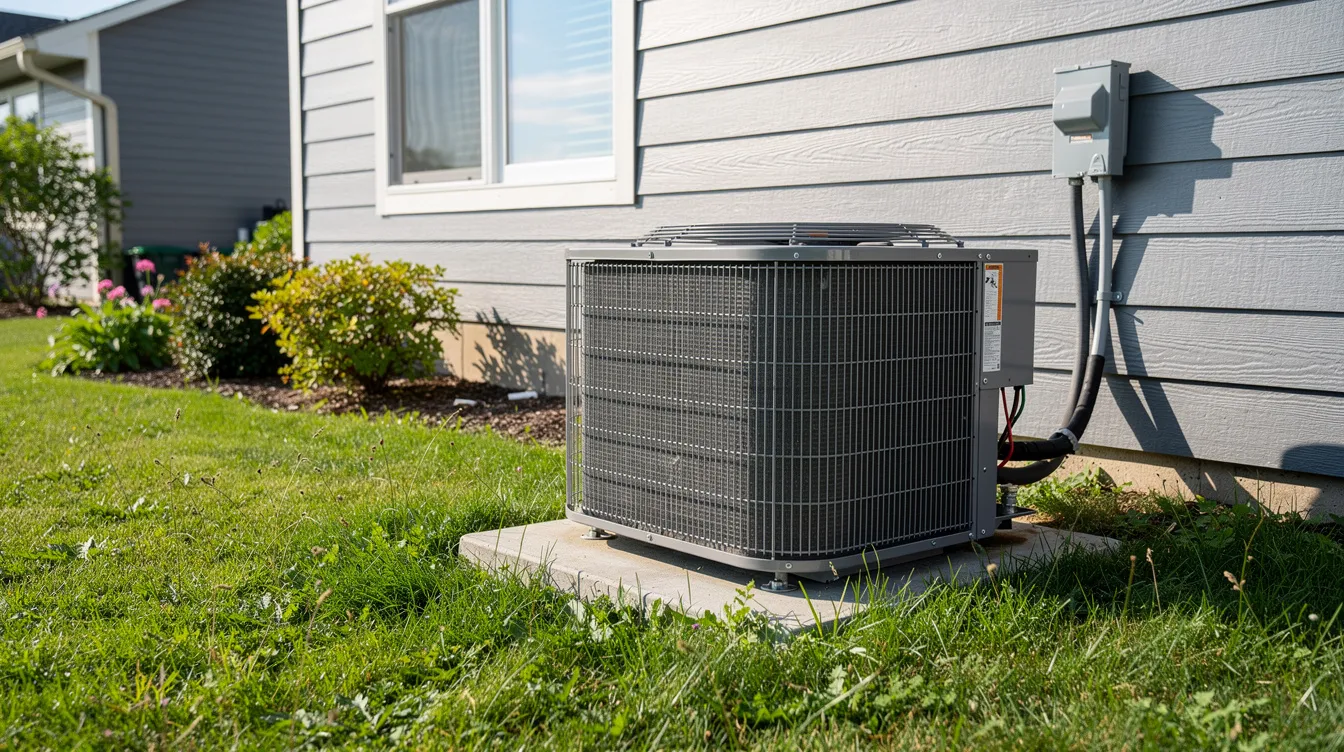
How air conditioning works: from warm room air to cool comfort
Most home cooling equipment uses a refrigeration cycle to move heat out of your house rather than generating cold air from scratch. This might seem like a small distinction, but it explains why your outdoor unit feels warm while running and why refrigerant charge matters so much for system performance.
The process relies on four basic components working together in continuous circulation: the compressor, condenser coil, metering device (or expansion valve), and evaporator coil. Air conditioning systems are designed to provide cooling and humidity control for buildings, often utilizing a refrigeration cycle that includes these components. Whether you have central air, a heat pump system operating in cooling mode, or a ductless mini-split, this same thermodynamic principle applies.
The refrigeration cycle in plain English
Here’s what happens inside your air conditioner during each cooling cycle:
- Compressor (outdoor unit): The compressor pressurizes low-pressure refrigerant gas, raising its temperature to around 150-200°F. This hot, high-pressure gas flows to the condenser coil.
- Condenser coil (outdoor unit): A fan blows outdoor air across the coil, dissipating heat into the atmosphere. The refrigerant releases its heat and condenses into a high-pressure liquid. This is why the area around your outdoor unit feels warm during operation.
- Metering device: The liquid refrigerant passes through an expansion valve or capillary tube, which abruptly drops the pressure. This causes a dramatic temperature drop to around 40°F or below.
- Evaporator coil (indoor coil): The cold, low-pressure refrigerant enters the evaporator coil inside your home. A blower fan draws warm indoor air across this frigid coil, where the refrigerant absorbs heat and moisture. The cooled, dehumidified air—typically 15-20°F cooler than what entered—travels through your ductwork to distribute air throughout your home.
The now heat-laden refrigerant gas returns to the compressor, and the cycle repeats until your thermostat senses the desired temperature has been reached.
Heat pumps can reverse this flow in winter to heat the home, extracting warmth from outdoor air even at moderate temperatures. This makes them increasingly popular in Central Ohio’s milder spring and fall months.
Mechanical vs. natural ventilation and why it matters for AC
Opening windows might seem like a simple way to bring in fresh air, but in humid Midwest climates, it creates problems for your cooling system.
Mechanical ventilation uses fans, air handlers, and sometimes energy recovery ventilators (ERVs) or heat recovery ventilators (HRVs) to exchange stale air with filtered outdoor air. Unlike natural ventilation through open windows, mechanical systems control how much unconditioned air enters your home.
When you let in humid outdoor air naturally, your AC system must work harder to remove that extra moisture. This can spike energy use by 20-50%, requiring more energy as the system fights 80%+ outdoor relative humidity. In tight, modern homes with low natural infiltration, balanced mechanical ventilation becomes essential for maintaining healthy air quality without overworking your cooling equipment.
HVAC engineers measure ventilation using air changes per hour (ACH)—how often indoor air is completely replaced. The ideal balance keeps carbon dioxide levels low and comfort high without forcing your AC into overtime.
Dor-Mar can assess your existing ventilation, recommend upgrades such as energy recovery ventilation, and ensure your AC isn’t overworked by poor airflow design.
Common types of residential air conditioning systems
Most Dor-Mar customers rely on one of three main system types: central split systems, heat pumps, or ductless units, and our Worthington HVAC repair and replacement team frequently installs and services all three. The right choice depends on your home’s layout, existing ductwork, climate demands, and budget, and our Westerville heating and cooling services help many local homeowners navigate these options.
An in-home assessment is the best way to determine which option fits your situation. HVAC systems can include various components working together, and proper sizing plus professional installation makes the difference between consistent comfort and frustrating hot spots with higher energy bills.
Central split-system air conditioners
A split system is the most common central heating and air conditioning system in single-family homes in the US, consisting of an outdoor unit and an indoor unit. Split systems are a common type of air conditioning unit that consists of an outdoor condenser and an indoor evaporator, allowing for efficient cooling without the need for extensive ductwork modifications.
Here’s how central air conditioning systems work:
- The outdoor unit houses the compressor and condenser coil
- The indoor unit contains the evaporator coil, typically mounted above a gas furnace or air handler
- Refrigerant lines connect the two units
- Cooled air travels through sheet metal or flexible ductwork to supply registers in each room
- A central return grille recirculates air back to the system
Central air systems dominate Columbus-area homes built from the 1980s onward because they provide whole house comfort, integrate seamlessly with smart thermostats, and offer high SEER2 efficiency options. Dor-Mar regularly replaces older 10-13 SEER units with modern systems that can significantly cut summer electric bills.
Ductless mini-split systems
Ductless mini-split systems are ideal for homes without existing ductwork, providing flexibility in temperature control and easy installation, making them suitable for various applications.
A ductless system consists of:
- One outdoor unit (condenser/compressor)
- One or more indoor air handlers mounted on walls or in ceiling cassettes
- Small refrigerant lines connecting the components (no bulky ductwork required)
Ideal use cases include:
- Bonus rooms over garages in Gahanna homes
- Finished basements lacking duct connections
- Older homes where adding ductwork would be impractical
- Room additions and new construction where extending existing ducts isn’t feasible
Key advantages include no duct losses (which can waste 20-30% of cooling energy), individual zone temperature control, quiet operation at 19-30 decibels, and heat pump functionality for year-round comfort. The indoor unit mounts high on the wall, which some homeowners find less visually appealing than traditional registers.
For multi-zone ductless systems when extending living space or remodeling, Dor-Mar can design a solution that matches your needs.
Heat pumps for year-round comfort
Air source heat pumps can both cool and heat by reversing the refrigeration cycle, moving heat between indoors and outdoors depending on the season. In cooling mode, they work identically to a standard air conditioner. In heating mode, they extract heat from outdoor air—even at temperatures around 47°F—and transfer it inside.
Heat pumps are gaining traction in Central Ohio through dual-fuel setups that pair a heat pump with a gas furnace for supplemental heat on very cold nights below 30°F.
Ground source, or geothermal, heat pumps utilize the stable temperature of the earth to provide heating and air conditioning, allowing for reduced energy requirements compared to traditional systems. While installation costs are higher, operating costs can be dramatically lower.
Federal incentives through the 2022 Inflation Reduction Act offer rebates up to $2,000 plus 30% tax credits through 2032 for qualifying high-efficiency heat pump installations. ENERGY STAR®-certified systems often qualify for these rebates and tax credits, and choosing an ENERGY STAR-certified HVAC system can provide significant energy savings over standard models. Ask Dor-Mar for current program details when you schedule an estimate.
Packaged units and light commercial rooftop systems
Packaged units consolidate all major components—compressor, condenser, evaporator, and air handler—into a single outdoor cabinet. They’re typically installed on rooftops or concrete pads.
These systems are common in:
- Light commercial buildings
- Strip malls in Ohio
- Some manufactured homes
While packaged units save indoor space, proper access and duct design are critical for performance and serviceability. Commercial refrigeration applications often use similar principles but require specialized expertise.
Dor-Mar services and replaces rooftop HVAC units for small offices, shops, and restaurants, including emergency breakdowns. If you’re curious whether a packaged unit fits your property, schedule a consultation rather than guessing based on price alone.
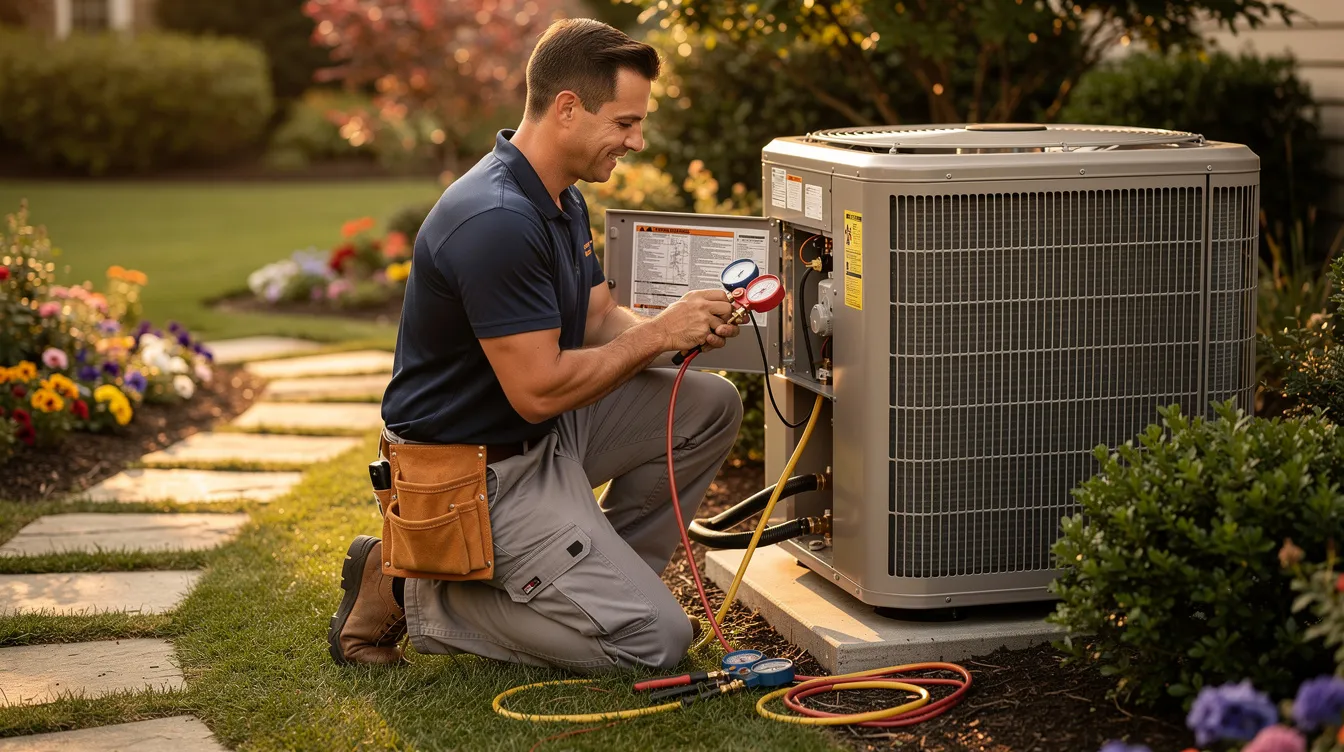
Key efficiency terms: SEER2, EER2, BTU and what they mean for your bill
Modern cooling equipment efficiency is rated by standardized metrics that help you compare options and predict operating costs. A British Thermal Unit (BTU) is a standard measure of heat energy used to quantify the amount of heat an air conditioning system can remove from a space. Understanding these numbers prevents overpaying on utilities and helps you make informed decisions during an estimate visit.
More efficient equipment typically costs more upfront but can significantly reduce long-term electric bills—a key factor in AEP Ohio utility territory where summer cooling can account for 50-70% of household energy consumption.
SEER2 and EER2
The Seasonal Energy Efficiency Ratio (SEER) measures the average cooling efficiency of an air conditioner or heat pump over a range of temperatures. In 2023, the industry updated to SEER2, which uses stricter testing conditions that better reflect real-world performance. The current industry minimum SEER rating is set at 14 SEER.
Higher SEER2 numbers mean lower operating costs. For example, upgrading from an older 10 SEER system to a new 16 SEER2 unit can cut cooling bills by 30-50%—yielding $200-400 in annual energy savings at typical Ohio electricity rates.
The Energy Efficiency Ratio (EER) measures the efficiency of cooling units at a specific temperature of 95 degrees Fahrenheit. EER2 is the updated standard, and a higher EER rating is particularly important in hot climates where extreme temperatures are common.
Both ratings appear on the yellow EnergyGuide labels attached to new equipment. Rather than automatically choosing the cheapest or highest number, discuss ideal SEER2/EER2 levels with Dor-Mar to find the sweet spot for your situation.
For heating equipment, Annual Fuel Utilization Efficiency (AFUE) is a percentage rating that indicates how much energy is produced by a gas furnace or boiler compared to how much fuel is wasted, with higher percentages indicating greater efficiency.
BTUs and proper system sizing
Cooling capacity is measured in BTUs (British Thermal Units) or tons, with a general guideline of 20-25 BTUs per square foot of living space. One ton equals 12,000 BTU per hour of cooling capacity.
However, proper sizing requires more than simple math. An oversized unit causes problems:
- Short cycling (running only 5-10 minutes instead of optimal 10-15 minute cycles)
- Poor humidity control (the system shuts off before removing enough moisture)
- Uneven temperatures throughout the home
- Increased wear on compressors and other components
- Higher energy bills despite the larger capacity
Dor-Mar uses Manual J load calculations that factor in home size, insulation R-values, window specifications, orientation, and occupancy rather than rule-of-thumb sizing, an approach our Newark home services technicians apply to ensure properly sized systems. A typical 2,000-2,400 square foot Central Ohio home might need 2.5-3.5 tons, but every house differs based on these important factors, as our Newark HVAC and heating repair team sees every day in the field.
Proper sizing protects both comfort and the long-term health of your new HVAC system.
Indoor air quality, filtration, and humidity control
Air conditioning isn’t just about temperature—it significantly impacts indoor air quality and humidity levels. Modern air conditioning systems filter dust, pollen, and allergens from indoor air, improving air quality for everyone, especially those with allergies or asthma.
In muggy Ohio summers, humidity control prevents mold growth and eliminates that clammy feeling that makes even 74°F feel uncomfortable. Dor-Mar offers whole-home air quality solutions that integrate with existing HVAC systems to address specific concerns like allergies, asthma, or musty odors in basements and crawlspaces.
Air filtration and cleaning
Standard 1-inch filters capture large particles but let finer allergens pass through. Upgrading to a high-efficiency media filter or whole-house air cleaner makes a significant difference.
Filter options:
| Filter Type | MERV Rating | Captures |
|---|---|---|
| Basic fiberglass | 1-4 | Large dust particles |
| Pleated | 8-11 | Pollen, mold spores |
| Media filters | 11-16 | 85-95% of 1-3 micron particles including fine dust, pet dander |
| Electronic air cleaners | N/A | Charged particles, some odors |
| UV-C purification | N/A | Airborne bacteria, viruses |
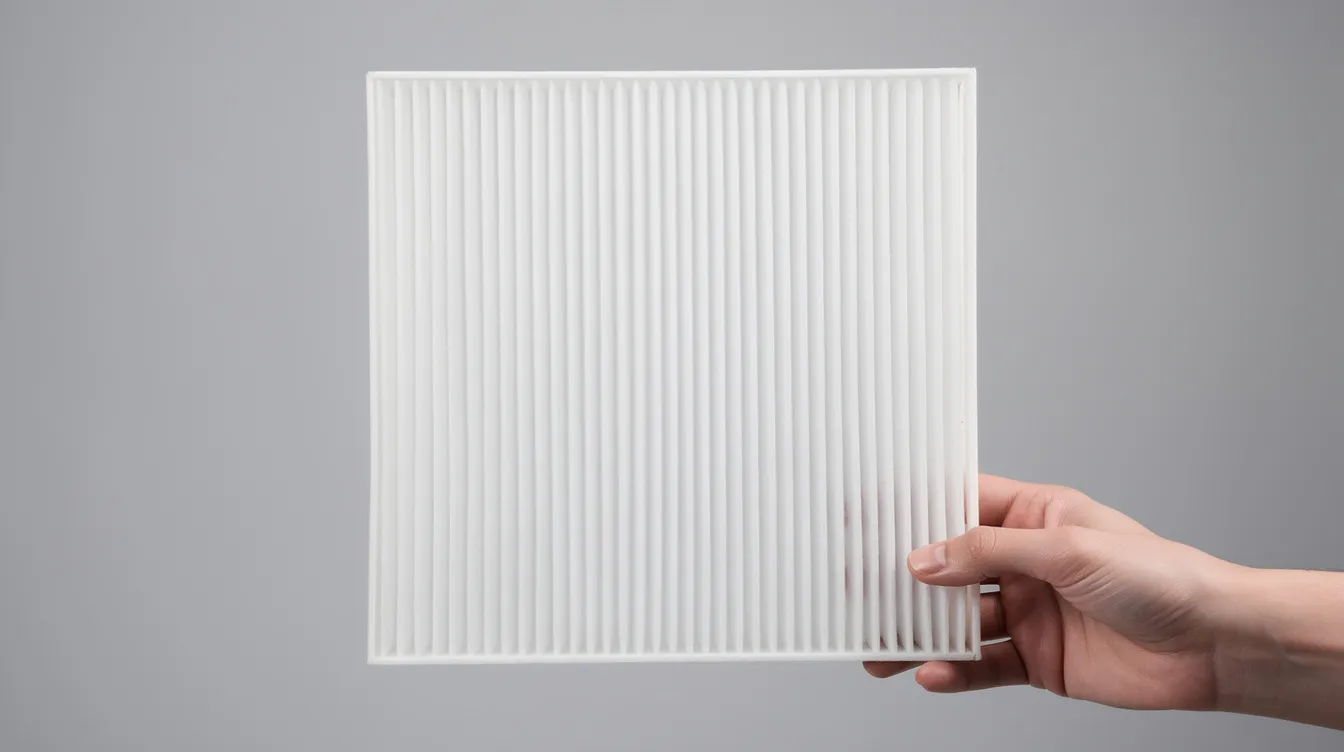
| Air filters in HVAC systems should be replaced or cleaned regularly, as failure to do so can lead to reduced airflow, increased energy consumption, and potential system damage. Better filtration reduces dusting, protects AC coils, and prolongs system life. | ||
| Very high MERV filters may restrict airflow, so Dor-Mar recommends the right combination after inspecting your existing equipment and ductwork. |
Dehumidification and humidification
Your AC system naturally removes moisture as warm indoor air passes over the cold evaporator coil. Water condenses and drains away via a condensate line—typically 1-3 gallons daily per ton in humid conditions.
Sometimes this natural dehumidification isn’t enough. Whole-house dehumidifiers work with existing ductwork to maintain set humidity levels, especially useful in Ohio basements where mold thrives above 60% relative humidity.
For dry winter air in Central Ohio, humidifiers connected to your heating system add moisture to combat static electricity, dry skin, and cracked woodwork, and homeowners can follow additional strategies for optimizing indoor humidity during winter.
Recommended indoor humidity ranges typically fall between 40-50% year-round. Ask Dor-Mar how to achieve and maintain these levels for your home.
Maintenance, repairs, and extending AC system life
Regular maintenance of air conditioning systems is essential to ensure optimal performance and longevity, with recommendations suggesting at least annual inspections and tune-ups. It is important to choose reputable air conditioning contractors for installation, repair, and maintenance to ensure reliable service and adherence to industry standards. Air conditioning systems generally have a lifespan of 12-15 years when properly maintained—but neglected systems often fail much sooner.
Even relatively new systems benefit from annual tune-ups, while older units may require more frequent checks and proactive repairs. The goal is preventing breakdowns on 90°F+ days when you need cooling most and keeping energy bills under control throughout the season.
Dor-Mar’s approach to AC maintenance includes comprehensive checklists and reporting any upcoming concerns before they become emergencies.
What happens during a professional AC tune-up
A thorough tune-up includes tasks homeowners can’t perform themselves:
- Checking refrigerant charge and looking for leaks
- Cleaning condenser and evaporator coils (restoring 15-20% capacity when dirty)
- Inspecting electrical connections and testing safety controls
- Measuring temperature drop across the coil (should be around 15-20°F)
- Verifying airflow meets manufacturer specifications
- Clearing the condensate drain to prevent water leaks and damage
- Inspecting filters, blower assemblies, and duct connections
HVAC technicians can receive training through formal institutions, where most earn associate degrees, and can also pursue certifications in areas such as air conditioning, heat pumps, and commercial refrigeration. This expertise allows them to catch small issues—weak capacitors, worn contactors, or low fan speed settings—before they cause a no-cool emergency on a weekend.
After each visit, Dor-Mar provides documentation and recommendations so you can plan needed repairs or upgrades.
Common AC repair issues homeowners face
Frequent problems include:
- Refrigerant leaks: Reduced cooling, longer run times, frozen coils
- Frozen evaporator coils: Ice on indoor coil or outdoor lines, often from low refrigerant or restricted airflow
- Clogged condensate drains: Water pooling around the furnace or air handler
- Failed blower motors: Weak airflow or no air movement at all
- Thermostat malfunctions: System won’t start or cycles erratically
- Capacitor failures: Humming sounds, hard starting, or complete failure to run
What you can safely check:
- Filter condition (replace if dirty)
- Thermostat settings and batteries
- Tripped circuit breakers
What requires a licensed HVAC technician:
- Refrigerant handling (requires EPA certification)
- Electrical power repairs and diagnostics
- Control systems troubleshooting
Dor-Mar offers same-day and emergency AC repair in Central Ohio during peak seasons when working properly becomes urgent, and homeowners can reach us quickly through our contact and emergency service options.
Home Comfort Membership benefits
The Dor-Mar Home Comfort Membership is a preventive maintenance plan for AC, heating, and other home comfort systems designed to keep your equipment running reliably.
Key benefits include:
- Scheduled annual tune-ups for cooling and heating equipment
- Priority scheduling during heat waves and cold snaps
- Member-only repair discounts
- Maintenance records supporting manufacturer warranty coverage
- Fewer emergency breakdowns and more predictable comfort
Members often experience advanced technologies benefits sooner through our recommendations and enjoy peace of mind knowing their systems receive consistent attention.
Enroll in the Home Comfort Membership online or ask your Dor-Mar technician about options at your next visit.
Choosing, installing, and upgrading your air conditioning system
Replacing or installing an air conditioner represents a significant investment. The decision should balance comfort goals, energy efficiency priorities, and long-term cost considerations rather than focusing solely on upfront price.
Dor-Mar provides free estimates for new AC and heat pump systems, including detailed proposals so homeowners can compare good, better, and best options side by side. The installation of HVAC systems must comply with local building codes and standards, which are designed to ensure safety and efficiency in heating and cooling systems—and proper installation matters as much as equipment selection.
Factors to consider when selecting a new AC
Home characteristics:
- Square footage and number of stories
- Insulation levels and window efficiency
- Age and condition of existing ductwork
- Number of occupants
Climate demands:
- Central Ohio’s humid summers vs. dry winters
- Outdoor temperature extremes affecting equipment selection
Comfort preferences:
- Quiet operation (variable speed systems run at lower, quieter speeds)
- Improved humidity control
- Zoning for multi-story homes or variable needs
- Two stage or variable speed equipment for consistent comfort
Budget considerations:
- AC unit size affects both installation cost and operating expenses
- Higher efficiency equipment costs more upfront but delivers energy savings
- Available financing options can spread costs over time
- Current promotions or rebates may vary based on equipment selected
Prepare your recent utility bills and note specific comfort complaints before the estimate visit so Dor-Mar can tailor recommendations to your needs.
What to expect during professional installation
A typical installation day includes:
- Arrival and preparation: Technicians arrive at the scheduled time with protective floor coverings to protect your home
- Removal: Old equipment is disconnected and removed
- Installation: New outdoor unit is positioned and leveled; indoor components are installed and connected via refrigerant lines
- Electrical connections: Wiring completed according to local building codes
- Ductwork adjustments: Any recommended changes to improve airflow and efficiency
- Testing: Complete system test including temperature drop, airflow, and thermostat operation
- Walkthrough: Technicians explain new thermostat features, filter access, and basic maintenance
HVAC technicians typically need a postsecondary nondegree award, although some enter the occupation with less education, and they often undergo extensive on the job training to gain competency. Obtaining a high school diploma or GED is the initial requirement before pursuing further certification, apprenticeship, or specialized training in the HVAC field. The median annual wage for heating, air conditioning, and refrigeration mechanics and installers was $59,810 in May 2024, with employment projected to grow 8 percent from 2024 to 2034, much faster than the average for all occupations—reflecting the skilled nature of this work.
Permits and inspections are handled according to local code requirements in Franklin County and surrounding Ohio counties. Dor-Mar cleans up the work area and hauls away old equipment, leaving your property as neat as possible.
When to repair versus replace your air conditioner
General guidelines for the repair-versus-replace decision:
| Factor | Consider Repair | Consider Replacement |
|---|---|---|
| System age | Under 10 years | 12-15+ years |
| Repair frequency | First major repair | Multiple repairs yearly |
| Repair cost | Under 50% of new system | Exceeds 50% of replacement |
| Efficiency | SEER 14+ | SEER under 14 |
| Refrigerant | R-410A | R-22 (phased out) |
| Comfort | Generally satisfactory | Uneven temps, high humidity |
| Rising utility bills, uneven temperatures, and loud operation often signal that replacement may be more economical than continued repairs. An oversized unit or undersized unit both cause ongoing problems that replacement corrects. | ||
| Dor-Mar technicians provide honest recommendations and cost comparisons—not high-pressure sales tactics. Replacing before complete failure avoids uncomfortable downtime during extreme heat waves when HVAC professionals are busiest. |
Take the next step toward reliable home comfort
Your air conditioning system works hard during Central Ohio’s humid summers. Understanding how it operates, what efficiency ratings mean, and when to invest in maintenance or replacement puts you in control of your comfort and energy costs.
Key takeaways:
- AC removes heat and humidity rather than creating cold—proper refrigerant charge and clean coils are essential
- System types vary based on your home’s needs, but all require proper sizing and professional installation
- Efficiency ratings like SEER2, EER2, and BTU measurements help you compare options and predict operating costs
- Regular maintenance extends equipment life and prevents emergency breakdowns
- Knowing when to repair versus replace saves money and frustration
Whether you need emergency repairs, annual maintenance, or a complete cooling system upgrade, Dor-Mar Heating, Air Conditioning & Plumbing has served Central Ohio homeowners since 1962 with honest service and expert installations.
Ready to improve your home comfort?
- Schedule AC repair, installation, or a tune-up online
- Request a free estimate for a new system
- Ask about the Home Comfort Membership for priority service and annual tune-ups
Contact Dor-Mar today and enjoy cool air all season long.