We Offer Financing!
How to Stay Cool and Keep Your System Running Strong
Introduction: Extreme Summer Heat in Ohio Introduction: Extreme Summer Heat in Ohio
If the past few summers have taught Central Ohio homeowners anything, it’s that extreme summer heat is no longer a rare event-it’s a pattern. In late August 2024, Columbus, Dayton, and Cincinnati endured five straight days with highs between 95°F and 98°F, running 5–10°F above normal. These aren’t just uncomfortable numbers. They represent the kind of sustained stress that pushes every air conditioning system toward its breaking point.
Heat waves are the most lethal weather phenomenon in the U.S., and air conditioning prevents heat stroke and dehydration during extreme heat. When your ac unit fails on the hottest day of the year, it’s more than an inconvenience-it’s a safety issue. HVAC service calls spike dramatically from mid-July through August, with technicians across both regions reporting waves of frozen coils, failed capacitors, and compressors that simply give out after days of nonstop operation.
This article will walk you through exactly how to prepare your ac system before and during heat waves to prevent breakdowns, protect your family, and keep your energy bills under control. Dor-Mar Heating, Air Conditioning & Plumbing is a family-operated home comfort contractor that has been serving Central Ohio and Southwest Florida since 1962. We’re part of these communities, and keeping your home safe and comfortable during the worst summer heat is what we do.
How Extreme Heat Stresses Your Air Conditioning System
Your air conditioner works by removing heat from indoor air and releasing it outdoors. Air conditioning uses the vapor-compression cycle to cool air, the same basic process behind modern systems developed by Willis H. Carrier: refrigerant absorbs heat at the evaporator coil inside your home, the compressor pressurizes that gas and pushes it through the outdoor condenser coil, and outdoor air carries the heat away. A typical air conditioning system includes an indoor and outdoor unit working together in this continuous process. Air conditioners can also reduce indoor humidity to 30% to 60%, which matters enormously in humid climates.
When outdoor temperatures rise above 90–95°F-especially with high humidity-this process becomes much harder. The outdoor condenser unit struggles to reject heat into already-hot outside air, reducing efficiency. Your compressor runs continuously or cycles too frequently, wearing down electrical components like capacitors and contactors. Humidity can exacerbate the effects of high temperatures, complicating heat exposure indoors because the system can’t fully dehumidify the air flow passing over the coil. At night, warm overnight lows common in Florida prevent the building from cooling down, giving the equipment no rest.
Here are signs your AC is struggling during extreme heat:
- The system runs without cycling off, or short-cycles every few minutes
- Rooms fail to reach the thermostat setpoint, staying 3–5°F warmer than the setting
- Energy bills spike noticeably week over week
- The outdoor unit sounds louder than normal or produces unusual noises
- Airflow from vents feels weaker than usual
- Ice forms on refrigerant lines or around the indoor unit
- Water pools near the air handler from a clogged condensate drain
Dor-Mar technicians see these failures every July and August across Central Ohio: frozen evaporator coils from restricted airflow, tripped breakers, weak capacitors under high startup current, low refrigerant from slow leaks, and drain lines clogged by algae growth in high humidity.
Pre-Season Checklist: Prepare Your AC Unit Before the Heat Arrives
The best time to prepare your air conditioning unit is before you need it most-late spring in Central Ohio (April–May) or March–April in Southwest Florida. A spring air conditioning checklist catches problems when technicians are available and parts are in stock, not during a 98°F emergency.
Here’s what homeowners can do before the first hot spell:
- Walk around the outdoor unit and clear any leaves, grass clippings, or debris that accumulated over the off-season. Clearing debris from around the condenser coil allows proper airflow for heat rejection.
- Trim vegetation back at least 2–3 feet on all sides. The unit needs unobstructed access to outdoor air.
- Visually inspect the insulation on refrigerant lines running between the outdoor unit and the wall of your home. Damaged or missing insulation reduces efficiency.
- Replace the return-air filter. Homeowners should replace air filters every 1–3 months, and the start of cooling season is the ideal time to begin fresh.
- Open every supply register and return vent in the house. Furniture, rugs, or closed registers restrict airflow and force the system to work harder.
- Turn the system on and let it run for 15–20 minutes. Walk through each room and confirm cold air is flowing from every vent.
- Turn power off at the disconnect or breaker before doing any cleaning around the outdoor unit, and never open sealed electrical panels.
These steps take less than an hour and directly improve airflow, efficiency, and your system’s ability to handle the first heat wave. Regular maintenance extends AC lifespan significantly-this is where that longevity begins.
Daily Habits to Keep Cool During a Heat Wave
When temperatures spike above 90°F and stay there for days, your daily habits have a measurable impact on how hard your ac system has to work. Think of these as a heat-wave routine:
- Block solar heat gain. Keeping blinds and curtains closed during the day helps block sunlight, especially on south- and west-facing windows. This alone can reduce indoor temperature by several degrees.
- Use ceiling fans correctly. Set them to run counterclockwise in summer so you feel a wind-chill effect. Using fans can help circulate air, but note that fans may not prevent heat-related illness in very high temperatures on their own-they supplement your air conditioner, not replace it.
- Reduce internal heat sources. Avoid using the oven or stove during peak afternoon hours (2–5 PM). Grilling outside, using a microwave, or eating light meals can help with hydration during hot weather while keeping your indoor space cooler.
- Set realistic thermostat targets. During extreme heat, aim for 76–78°F rather than 70°F. Every degree you raise the setpoint reduces strain on the system and lowers energy consumption. The goal is keeping your home safe and tolerable-not frigid.
- Manage nighttime comfort. Keep bedroom doors open to allow airflow through the house, use a portable fan near the bed, and consider adjusting vent dampers to direct more cool air to sleeping areas during overnight hours.
- Limit door traffic. Every time an exterior door opens, hot air rushes in and humid outside air replaces conditioned indoor air. Keep entries brief.
Smart Thermostats & Settings for Extreme Heat
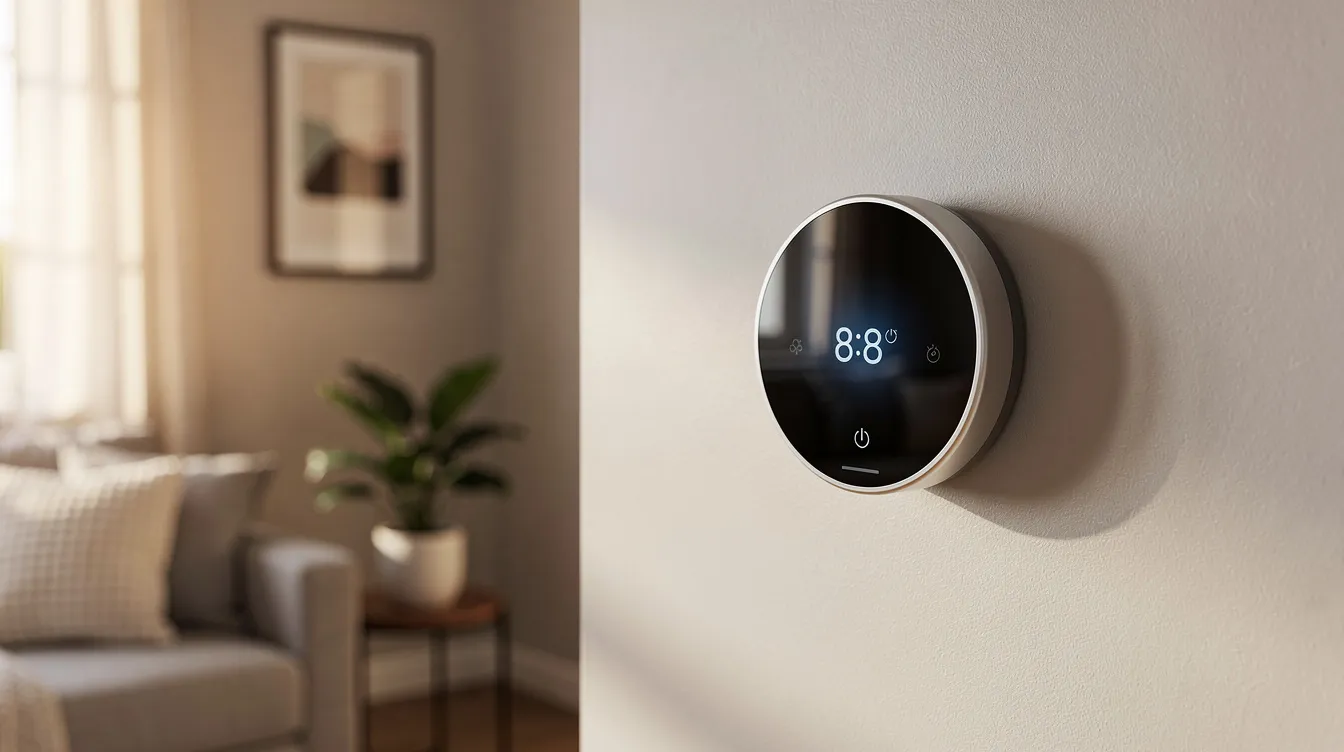
A smart thermostat is one of the most effective tools for balancing comfort and system protection during a prolonged heat wave. These devices learn your schedule, connect to your phone, and allow precise control over when and how your air conditioning system operates.
Here’s how to use a smart thermostat to your advantage during a hot July weekday:
- 6:00 AM – Pre-cool the home. Set the temperature to 74–75°F while the outdoor air is still relatively cool. The system runs efficiently during morning hours and “banks” cold in your walls, furniture, and floors.
- 8:00 AM to 5:00 PM – Daytime setback. If the house is empty, raise the setpoint to 80–82°F. Geofencing features detect when everyone has left and adjust automatically. Avoid setting it to 85°F+ and then demanding 72°F when you return-that large swing overworks the unit.
- 4:30 PM – Pre-arrival cooling. The thermostat begins cooling 30 minutes before you arrive, ramping down gradually to 76–77°F rather than slamming the compressor at full capacity.
- 10:00 PM – Sleep mode. Lower to 74–75°F for sleeping comfort. Some models support humidity targets, aiming for 50–55% relative humidity in the room.
Additional settings that matter:
- Keep the fan set to “auto” rather than “on.” Running the fan continuously can reintroduce moisture from the evaporator coil back into the air, increasing humidity.
- Enable energy reports to track daily and weekly patterns. This data helps you see how outdoor temperatures affect energy consumption.
- During a Dor-Mar maintenance visit, technicians can help calibrate your thermostat and verify it communicates correctly with your system for peak efficiency.
DIY AC Maintenance: What Homeowners Can Safely Do
There’s a clear line between what homeowners can handle and work that requires a licensed technician. Crossing that line risks injury, refrigerant exposure, or voiding your warranty. But several meaningful tasks are well within reach.
It helps to understand the type of system you have. Split-system air conditioners use indoor and outdoor units connected by refrigerant lines-the most common residential setup. Packaged air conditioners house all components in one unit, typically installed on a roof or concrete slab. Ductless systems provide targeted cooling without ductwork, and mini split air conditioner systems can condition multiple rooms independently using a single outdoor unit paired with multiple indoor units. Window air conditioners are installed in a window frame, while portable air conditioners have indoor units on wheels. Regardless of type, the basics of maintenance are similar.
Do this:
- Check and replace air filters every 30–60 days during summer. Changing filters is the single most impactful thing you can do-cleaning filters can reduce cooling costs by up to 90%.
- Gently rinse the outdoor condenser coil fins with a garden hose from the inside out, using low pressure. This removes dust, pollen, and cottonwood seeds that block airflow.
- Clear vegetation, lawn clippings, and any stored items at least 2–3 feet from the outdoor unit in every direction.
- Walk through every room and confirm supply vents and return grilles are open and unobstructed. Move furniture, rugs, or curtains that block them.
- Inspect the visible portion of the condensate drain line for obvious clogs or algae buildup. If accessible, flush with a cup of distilled white vinegar to prevent blockages during high-humidity stretches.
Don’t do this:
- Do not open sealed electrical panels or access covers on the air handler or outdoor unit.
- Never attempt to check or add refrigerant-this requires EPA certification and specialized equipment.
- Do not bypass safety switches, fuses, or breakers, even if the system won’t start.
- Avoid using a pressure washer on the condenser-the force bends delicate aluminum fins and causes permanent damage.
- Do not attempt to straighten severely bent condenser fins without a proper fin comb.
Professional AC Maintenance: Your Best Defense Against Summer Breakdowns
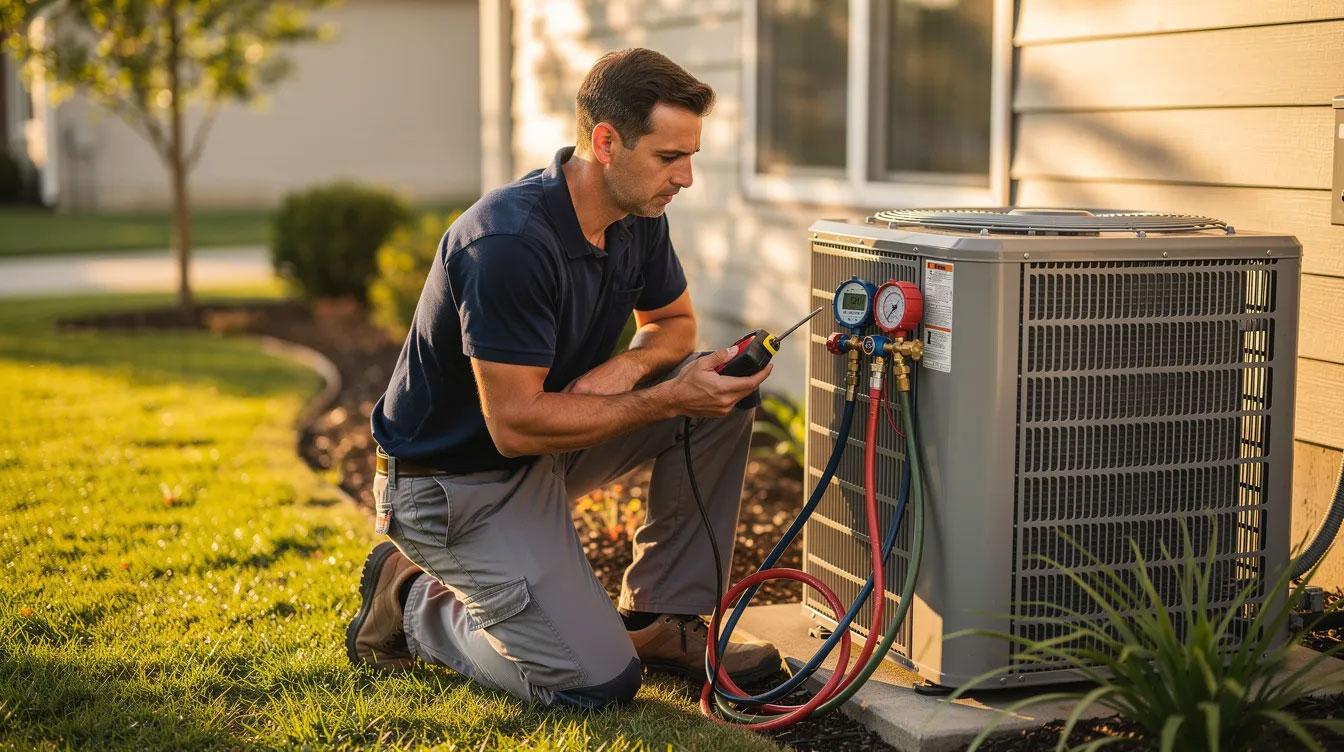
Professional ac maintenance is a full-system inspection and tune-up performed by a licensed technician, ideally once per year before peak summer heat. It goes far beyond what any homeowner can do with a garden hose and a new filter. Professional maintenance includes a comprehensive system inspection that covers every component responsible for keeping your home cool.
Here’s what Dor-Mar technicians typically check during an AC maintenance and tune-up visit:
- Checking refrigerant levels and inspecting for leaks-low charge forces the compressor to work harder and can freeze the evaporator coil
- Testing and tightening electrical connections, inspecting capacitors and contactors for signs of wear or pitting
- Measuring blower motor performance, amp draw, and airflow across the coil
- Verifying thermostat operation and calibration
- Inspecting and cleaning the condenser coil and evaporator coil
- Lubricating moving parts where applicable to reduce friction and wear
- Checking safety controls and verifying the system shuts down properly under fault conditions
- Clearing and treating the condensate drain to prevent mid-summer water damage
- Measuring temperature differential across the system to confirm the cooling capacity-often measured in tons-matches what your home needs
This annual maintenance improves efficiency, supports quiet operation, and significantly reduces the chance of a mid-July breakdown. AC maintenance helps avoid costly repairs and replacements. Many manufacturer warranties require documented professional maintenance, and Dor-Mar can provide records and reminders when homeowners schedule ac maintenance with us.
Signs Your AC Needs Immediate Service in a Heat Wave
During a string of 90°F+ days, some problems demand immediate attention. Here’s when to stop troubleshooting and call for emergency service:
Shut off the system and call same-day:
- Hot air or warm air blowing from supply vents instead of cold air
- Ice visible on refrigerant lines, the indoor coil, or around the air handler
- A burning or electrical smell coming from any part of the system
- The breaker trips repeatedly after being reset
- Grinding, screeching, or metallic sounds from the outdoor unit or indoor unit
- Water actively pooling or leaking around the indoor unit or in an enclosed space near the air handler
Schedule service soon (system still operating but struggling):
- The system runs continuously without reaching the setpoint
- Short-cycling-turning on and off every few minutes
- Unusual humming or buzzing that wasn’t present before
- Rising energy bills with no change in usage habits
- Inconsistent temperature between rooms
Dor-Mar offers prompt same day repairs and emergency support during severe heat for Central Ohio and Southwest Florida homeowners. When temperatures are dangerous, we prioritize calls involving health risks, especially for households with elderly residents or young children.
Upgrading Old Air Conditioners for Today’s Summer Heat
If your air conditioner unit was installed before roughly 2010–2013, it was designed for a different climate. Central Ohio summers are roughly 2–3°F warmer now than in the 1970s, with cities experiencing 17 or more additional days per summer above heat thresholds compared to 50 years ago. Older units with single-stage compressors and low SEER ratings simply weren’t built for this kind of sustained demand.
Modern air conditioning systems can improve indoor air quality, handle higher outdoor temperatures more gracefully, and use substantially less power. Refrigerants in AC units contribute to ozone depletion and climate change-older systems running R-22 are especially problematic. Hydrofluorocarbons commonly used in AC could raise global temperatures by 0.3–0.5°C by 2100, which is why newer low-GWP refrigerants are now required. Air conditioning used about 7% of global electricity in 2022 and emitted 3% of greenhouse gas that year. Global electricity usage for cooling is predicted to reach 6,200 TWh by 2050, and greenhouse gas emissions from air conditioning could double by 2050. Upgrading to efficient equipment is both a personal and environmental win.
Here’s how older systems compare to modern replacements:
| Feature | Older AC (pre-2010) | Modern AC (2023+) |
|---|---|---|
| Efficiency rating | SEER 10–12 | SEER2 15–20+ |
| Compressor type | Single-stage | Variable-speed or two-stage |
| Humidity control | Limited | Significantly improved |
| Noise level | Louder outdoor unit | Quiet operation, lower decibels |
| Refrigerant | R-22 (phased out) or R-410A | R-410A or low-GWP R-454B |
| Energy savings | Baseline | 25–50% reduction in energy consumption |
For neighborhoods in Columbus suburbs, Gahanna, Newark, and Southwest Florida communities where outdoor living spaces are common, the quiet operation of modern units is a meaningful upgrade. Dor-Mar provides free estimates for replacing aging AC systems and can recommend the right size and model based on your home’s age, insulation, and local weather patterns.
Using Fans, Zoning, and Simple Home Upgrades to Help Your AC
Your air conditioner doesn’t have to do all the work alone. Strategic support from fans and simple home improvements can let you raise the thermostat a few degrees while feeling just as comfortable in any room.
- Ceiling fans create a wind-chill effect that makes 78°F feel closer to 74°F. This lets the system run less while you maintain comfort.
- Box fans placed in doorways improve airflow between rooms, especially in homes without formal zoning. Keep interior doors open during the hottest hours so conditioned air reaches every indoor space.
- Adjust supply registers carefully. You can partially close registers in unused rooms to direct more cool air to occupied areas-but don’t close more than 20–25% of total registers, which can build duct pressure and stress the system.
- Weatherstrip leaky exterior doors. A gap under a front door can let in a surprising volume of hot air during a heat wave.
- Add shade on west-facing windows with awnings, shade screens, or even fast-growing landscaping. This reduces solar heat gain during the worst afternoon hours.
- Improve attic insulation in older Central Ohio homes. Attics can reach 130°F or more during heat waves, and that heat radiates down through ceilings into living spaces, forcing the system to compensate constantly.
Dor-Mar’s broader home comfort expertise spans hvac, indoor air quality, and light electrical services. During a service visit, we can advise on which improvements deliver the biggest impact for your specific property and climate.
Energy Efficiency & Bills: Staying Cool Without Breaking the Bank
Extreme heat inevitably raises electric bills. When outdoor temperatures stay above 95°F for days, your system runs longer and consumes more power-even when everything is operating correctly. The key is minimizing waste so you’re only paying for the cooling you actually need.
Here are specific ways to reduce energy bills during multi-day heat waves:
- Seal duct leaks in hot attics. Leaky ducts in a 130°F attic can lose 20–30% of your cooling before it ever reaches a room. This is one of the highest-return fixes available.
- Insulate exposed ductwork in unconditioned spaces with R-6 or R-8 duct wrap.
- Upgrade to a mid-range MERV filter (MERV 8–11) that captures dust and allergens without overly restricting airflow through the air handler.
- Use your smart thermostat’s scheduling and energy reports to identify waste-like cooling an empty house on weekday afternoons.
- Run the ac system on “auto” fan mode rather than “on.” This prevents the blower from pushing unconditioned air through ducts between cooling cycles.
- Keep up with ways to lower your air conditioning costs through consistent maintenance and small habit changes.
Proper hvac maintenance, correct thermostat settings, and targeted home upgrades work together. Dor-Mar can evaluate your system’s energy efficiency and recommend whether repairs, maintenance, or a full system upgrade will deliver the best long-term savings for your situation.
Protecting Vulnerable Family Members During Extreme Heat
Summer heat isn’t just uncomfortable-it’s dangerous. Extreme summer heat compromises the body’s ability to regulate internal temperature. Heat-related illnesses can range from heat cramps to heatstroke, and heat waves consistently rank as the deadliest weather phenomenon in the country. A 2021 report estimated 345,000 heat-related deaths globally in 2019 alone. The August 2003 France heatwave caused approximately 15,000 deaths, and 80% of those victims were over 75 years old. On the other side of that equation, an estimated 190,000 heat-related deaths are averted annually due to air conditioning.
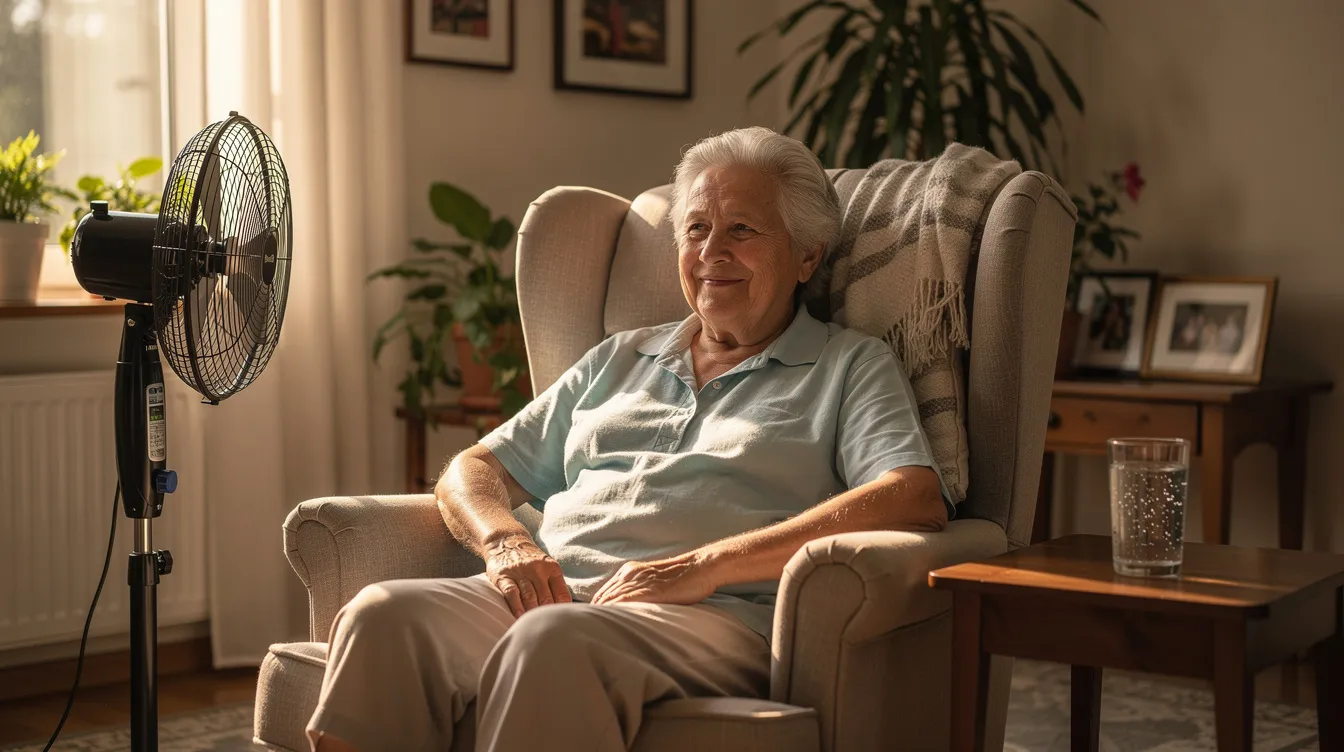
Elderly individuals and children are particularly vulnerable to heat extremes. Extreme heat can adversely affect mental health and cognitive function, and it can exacerbate cardiovascular and respiratory diseases. Hot weather increases sweating and causes the body to lose water and electrolytes rapidly. Heat exposure can trigger dehydration and heat exhaustion, and severe dehydration can lead to kidney injury and other serious complications. Reduced physical performance occurs as high temperatures lead to faster fatigue. Certain prescription medications-including diuretics, beta-blockers, and some psychiatric drugs-can impair the body’s ability to sweat, making heat regulation even harder. Heat can also worsen indoor air quality by increasing ground-level ozone and other pollutants that enter through open windows.
Heat-safety essentials for your household:
- Hydration is essential in hot weather to prevent heat-related illnesses. Keep water accessible in every room, and remind children and elderly family members to drink regularly-not just when they feel thirsty.
- Maintain a stable indoor temperature. Avoid aggressive thermostat setbacks that create swings between 82°F and 72°F, which stress both the system and vulnerable occupants.
- Place an inexpensive temperature and humidity meter in the main living area and bedrooms so you can monitor conditions.
- Teach every family member how to use the thermostat correctly-and what to do if the system stops producing cold air.
- Have a backup plan if the ac fails: identify the nearest cooling center, a relative’s or neighbor’s home, or visiting air-conditioned public spaces, which can reduce the risk of heat-related illness.
- Dor-Mar prioritizes emergency calls when there is a health risk due to AC outage, especially during heat advisories or excessive heat warnings issued in Central Ohio and Southwest Florida.
Dor-Mar Home Comfort Membership & Scheduled AC Maintenance
The easiest way to make sure your system is ready before the heat arrives is to stop relying on memory. Dor-Mar’s Home Comfort Membership takes the guesswork out of annual maintenance by scheduling tune-ups automatically each year.
Here’s what membership typically includes:
- Priority scheduling during heat waves-members move to the front of the line when service demand spikes
- Regular heating and cooling tune-ups covering every component from refrigerant levels to electrical connections
- Discounts on repairs and replacement parts
- Automatic reminders so you never forget to schedule ac maintenance
- Peace of mind that your system has been professionally inspected before the season when it matters most
- Spread-out costs that protect against surprise breakdowns on the hottest days of the year
If you’ve ever been stuck without air conditioning on a 98°F day waiting for an available technician, membership is the insurance policy that keeps your family comfortable. Call or book online to learn which membership level fits your home.
When & How to Schedule AC Service With Dor-Mar
The best times to schedule ac service are:
- Pre-season (spring): A tune-up in April or May catches problems before the first heat wave. Learn more about when to schedule maintenance.
- Post–heat wave: If performance dropped noticeably during a prolonged hot spell, schedule a follow-up to check for developing issues.
- Immediately: When you see any of the serious warning signs listed earlier-warm air from vents, ice on lines, burning smells, or repeated breaker trips.
When you call, have the following ready so dispatchers can prioritize correctly during busy periods: your system’s approximate age, any known issues or recent changes in performance, and your last maintenance date.
Dor-Mar serves homeowners across Central Ohio-including Gahanna, the greater Columbus metro, and Newark-as well as Southwest Florida communities. We’ve been keeping families comfortable through every kind of summer heat since 1962, and we’re ready to help before, during, and after the next extreme heat event. Call us, book online, or ask about a free estimate on a system upgrade. Your comfort and safety are worth preparing for.