We Offer Financing!
Cooling Options for Your Central Ohio Home (and How to Keep Your AC in Top Shape)
Central Ohio summers bring hot, humid days that push cooling systems to their limits. Choosing the right setup for your house matters, but keeping it maintained is what separates comfortable homeowners from those scrambling for emergency repairs in July.
Key Takeaways
Effective cooling options for a home range from passive methods like fans and window treatments to mechanical systems like central air and heat pumps. Here’s what Central Ohio homeowners need to know:
- Central air conditioners and heat pumps are the most common cooling systems in the Columbus metro area. Skipping annual tune-ups leads to higher energy bills, uneven cooling, and more frequent ac repairs.
- A well-maintained hvac system operates more efficiently and effectively in cooling, often lasting several years longer than a neglected one.
- Dor-Mar Heating, Air Conditioning & Plumbing has served Central Ohio since 1962, specializing in AC installation, repair, and preventive maintenance for central air conditioning and heat pumps.
- This article compares popular cooling systems-central air, heat pumps, ductless mini splits, window and portable units-then dives into how to keep each type running efficiently.
Schedule your AC maintenance or repair visit with Dor-Mar before peak summer heat hits Central Ohio (typically June through August).
How Cooling Systems Work: A Quick Central Ohio Overview
Most modern cooling systems-central air conditioners, heat pumps, ductless mini splits, and room air conditioners-use the same basic refrigeration cycle to remove heat from inside your house and dissipate heat outdoors. Understanding the process helps you make smarter decisions about your hvac system.
The four major components of a typical air conditioning unit:
- Compressor – pressurized refrigerant is pumped as a gas from the indoor side to the outdoor side, raising its temperature and pressure
- Condenser coil – the hot, pressurized refrigerant releases its heat outdoors as a fan blows air across the coil, and the fluid changes from gas to liquid
- Expansion device (valves) – the liquid refrigerant passes through an expansion valve, dropping in pressure and temperature before entering the indoor coil
- Evaporator coil – warm air from inside the house passes over the cold coil, transferring heat to the refrigerant; the cooled air is then circulated back through your rooms
In a central air system, an air handler and duct system distribute cool air through supply vents while return vents pull warm air back to the evaporator. Thermostat settings, duct design, and insulation all affect comfort and energy efficiency regardless of which system you choose.
Unlike refrigerant-based cooling, an evaporative cooler uses evaporation of water to cool incoming air. While evaporative coolers can lower outside air temperature by up to 30 degrees and save up to 75% on cooling costs in arid climates, they’re rarely suitable for Central Ohio because summer humidity regularly exceeds 50–60%, which kills their effectiveness.
Central Air Conditioners: The Standard for Whole-House Cooling
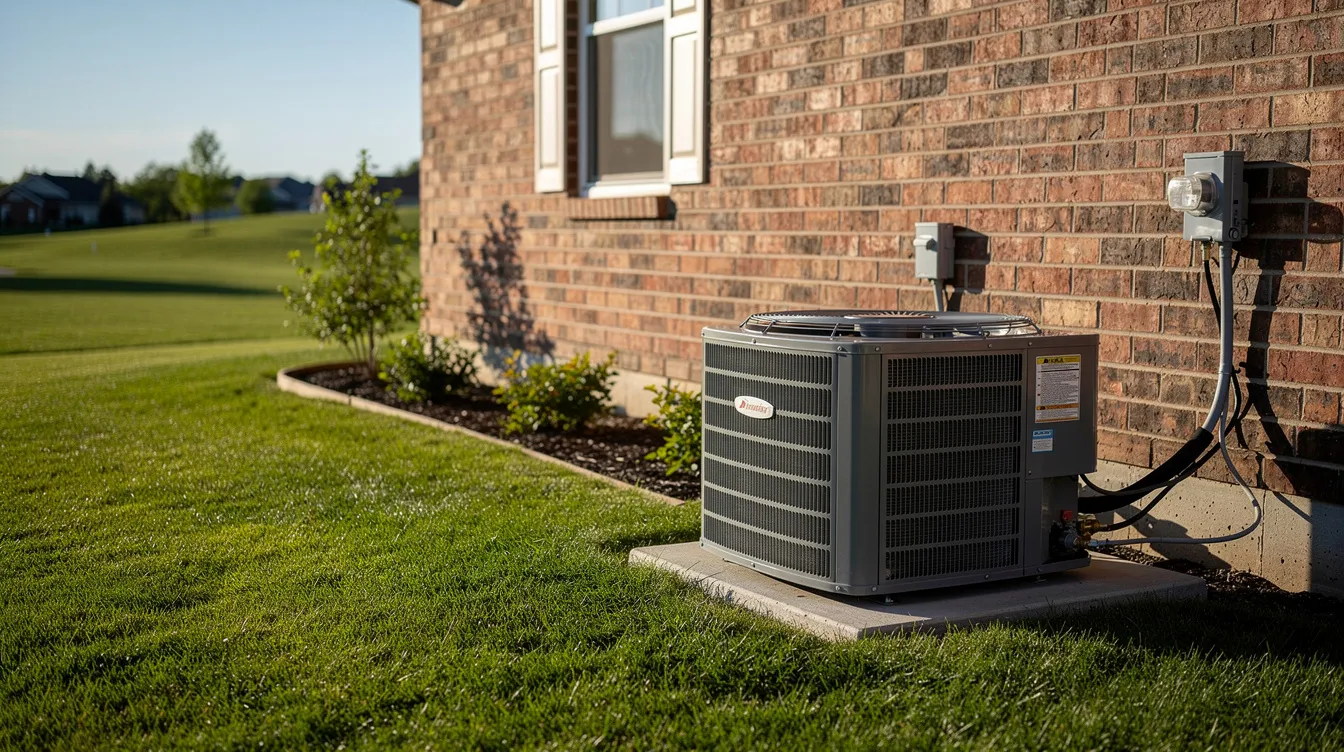
Central air conditioners are the most common whole-house cooling systems in Central Ohio homes built from the 1980s through today, especially those with gas furnaces and existing ductwork. If your house already has ducts, a central air conditioner is typically the most practical path to whole-home comfort.
A typical central air conditioning setup pairs an outdoor condensing unit with an indoor evaporator coil mounted on a furnace or air handler. The duct system delivers cool air to every room while the condenser exhausts heat outside.
Key details on efficiency and cost:
- Central air conditioners require a minimum SEER of 13 since 2006. As of January 2023, Ohio’s minimum for new split-system installations is 13.4 SEER2. ENERGY STAR models require a SEER of 14.5 or higher.
- Many older units still running in Columbus-area homes operate at just 8–10 SEER. Modern high-efficiency central AC systems use 50% less energy than 1970s models, and today’s premium equipment reaches 16–20+ SEER2.
- Installation cost in Central Ohio with existing ductwork typically runs $3,800–$6,800; systems requiring new ducts or high SEER2 ratings can reach $7,000–$12,000+.
Advantages: whole-house comfort, quiet indoor operation, compatibility with high-efficiency furnaces, and improved air quality with proper filters and duct cleaning. Limitations: higher installation cost if ducts are missing or undersized, efficiency losses from leaky or uninsulated ducts common in older homes, and the need for proper sizing through a Manual J load calculation.
Dor-Mar typically recommends central air for homes with existing ducts and long-term occupancy plans. We offer free installation estimates throughout Central Ohio.
Heat Pumps and Ductless Mini-Splits: Efficient Cooling and Heating in One
Heat pumps work exactly like central air conditioners during summer but can reverse direction to provide heat in winter, making them popular for Central Ohio’s moderate spring and fall seasons.
In many Central Ohio homes, a ducted heat pump pairs with a gas furnace in a dual-fuel system-the heat pump handles cooling and moderate-weather heating efficiently while the furnace takes over during cold snaps. This setup maximizes energy efficient operation year-round. Ground-source heat pumps offer even higher performance (needing a minimum EER of 21.1 for efficiency), though they carry significantly higher upfront costs.
Modern high-efficiency systems use 20% to 40% less energy than older equipment, and heat pumps with high SEER2 and HSPF2 ratings deliver fewer on/off cycles, reducing wear on the system.
Ductless mini-split systems cool individual rooms without ductwork. An outdoor compressor connects to one or more indoor units, typically mounted on a wall or ceiling. Ideal uses in Central Ohio include:
- Finished attics in Clintonville or Worthington
- Sunrooms in Gahanna
- Older homes in German Village without existing ducts
- Additions where extending the duct system would be costly
Tradeoffs include higher upfront cost than window units and the need for professional installation, but mini splits deliver significantly better energy efficiency, quiet operation, and targeted comfort for individual rooms. Dor-Mar installs and services both ducted heat pumps and ductless mini-splits and can help you choose the best fit.
Window and Portable Air Conditioners: Spot Cooling Options
While Dor-Mar specializes in whole-home cooling systems, many Central Ohio homeowners still rely on window air conditioners or portable units for apartments, older homes, or to supplement underperforming central air.
Window air conditioners are self-contained units that sit in a double-hung window or a specially cut wall opening, cooling one room by exhausting hot air outdoors. Window air conditioners are effective for cooling individual rooms easily, and they offer a relatively low cost, quick fix with straightforward DIY installation-appealing for renters or students near OSU and in downtown Columbus apartments.
However, window units come with drawbacks: potential security issues, blocked natural light, higher noise, and lower energy efficiency compared with modern central air conditioning systems, especially when running several units at once.
Portable air conditioners are easy to move and install in any room. They sit on the floor and vent hot air through a hose placed in a window kit. Portable air conditioners are convenient for cooling single rooms quickly, but they’re generally noisier and less efficient than window units.
For long-term Central Ohio homeowners, investing in a properly sized central air conditioner or ductless mini-split usually delivers better comfort, humidity control, and lower total cost than relying on multiple room air conditioners.
Other Cooling Options: Fans, Whole-House Fans, and Why Evaporative Coolers Don’t Fit Central Ohio
Not every cooling solution involves an air conditioning unit. Strategic use of fans and ventilation can support your existing system and help you save energy during Central Ohio’s cooling season.
- Ceiling fans create a wind-chill effect by rotating counter-clockwise in summer. Fan positioning can improve airflow and enhance cooling effects from air conditioning units, letting you raise your thermostat 2–4°F without losing comfort.
- Whole-house fans draw cooler evening or overnight outdoor air through open windows and exhaust it through the attic. Night flushing-opening windows at night to allow cooler air inside-works well during mild spring and fall nights, though use caution during high-pollen days. Strategic ventilation reduces indoor temperatures by using outdoor air during cool times.
- Evaporative coolers can lower air temperature by 30 degrees and are most effective in dry climates. In theory, a 1,500-square-foot house needs a 6,000 cfm cooler. Indirect evaporative coolers do not add moisture to the air. However, Central Ohio’s typical summer humidity (often 60%+ in July) makes them an inefficient and uncomfortable choice here compared with standard air conditioners.
Passive improvements also make a meaningful difference. Attic insulation helps maintain cooler temperatures in summer. High-performance windows with low-e coatings block heat, and thermal curtains create a barrier against heat from windows. Sealing gaps around windows and doors helps prevent heat from entering a home. Shading devices like awnings can effectively block direct sunlight, and keeping blinds closed during peak daylight hours can significantly reduce heat gain. Using lighter colors for roofs and walls reflects sunlight, reducing heat absorption. Reducing internal heat sources-using appliances that produce less heat-helps keep a home cooler during hot weather.
Dor-Mar can recommend ventilation and insulation improvements during AC maintenance visits, even though we don’t install evaporative coolers in this climate.
Why AC Maintenance Matters So Much in Central Ohio
Central Ohio’s combination of hot, humid summers and significant pollen and dust means central air conditioners and heat pumps work hard and get dirty fast. Annual maintenance isn’t optional-it’s the difference between a system that performs well and one that fails during a heat wave.
Benefits of regular air conditioning maintenance:
- Improved energy efficiency-studies show cleaning air handling components can yield energy savings between 16% and 71%, with typical homeowners seeing 10–15% reductions
- Reduced risk of mid-summer breakdowns and costly emergency ac repairs
- Longer equipment life, protecting your investment in new equipment
- More consistent cool air and better humidity control throughout the house
Neglected systems develop predictable problems: frozen evaporator coils, clogged condensate drains, low airflow from dirty filters and blower wheels, and premature compressor failure requiring major ac repairs or full replacement.
Central Ohio–specific risks include cottonwood fluff in May–June clogging outdoor condenser coils, lightning and power surges during summer storms stressing electrical components, and construction dust from new developments infiltrating your duct system.
Manufacturers typically require documented annual professional maintenance to keep warranty coverage valid on systems installed in Gahanna, New Albany, Dublin, Westerville, and throughout the region.
Schedule spring or early-summer AC tune-ups with Dor-Mar to avoid the late-July rush and make sure your system is ready before the first 90°F day hits Columbus.
What’s Included in a Professional AC Tune-Up from Dor-Mar
Dor-Mar’s AC maintenance visits follow a detailed checklist built for residential central air conditioners and heat pumps in Central Ohio homes.
Inspection tasks:
- Checking refrigerant charge, superheat, and subcooling to verify the refrigeration cycle is operating correctly
- Testing electrical connections, capacitors, and contactors for signs of wear or storm damage
- Verifying thermostat calibration and safety controls
Cleaning tasks:
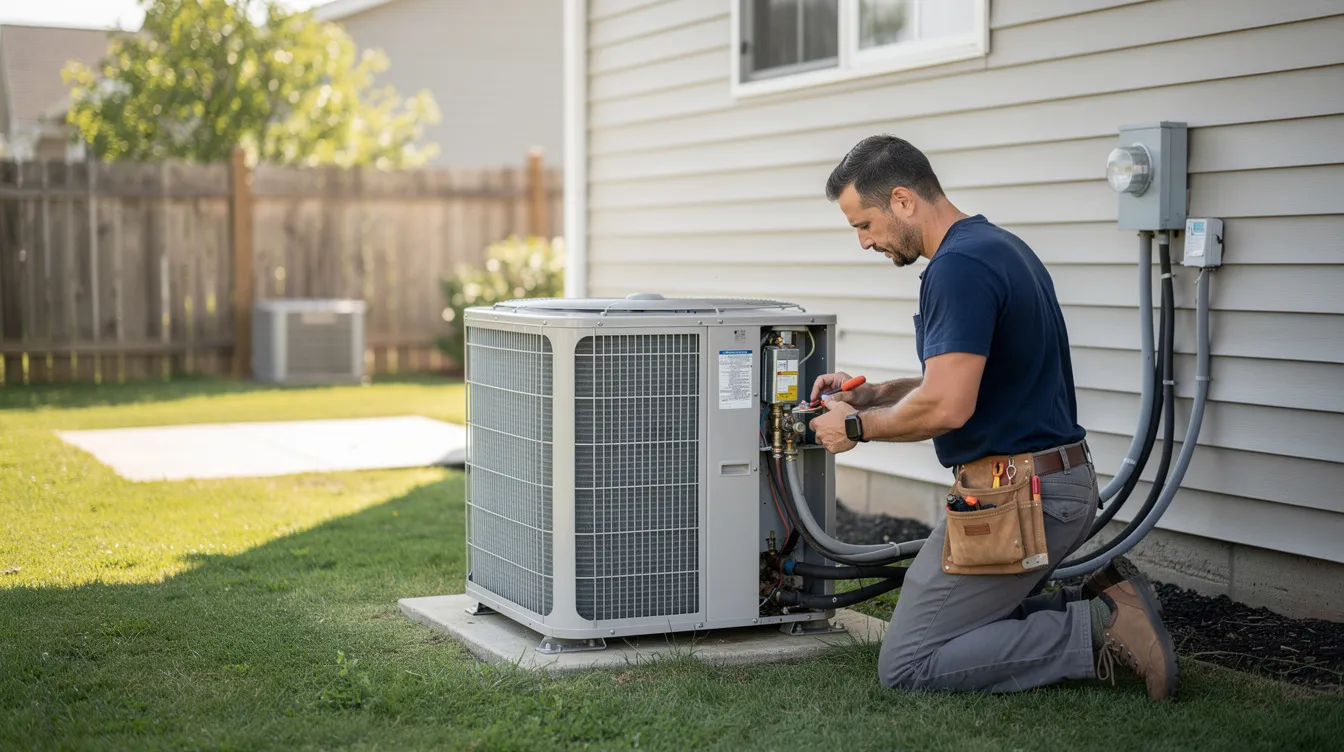
- Washing or brushing the outdoor condenser coil-especially critical after spring pollen and cottonwood season
- Inspecting the indoor evaporator coil for dirt or microbial buildup
- Cleaning the blower compartment and checking the fan motor
Airflow and drainage checks:
- Measuring temperature split across the evaporator coil
- Verifying the condensate drain line is clear and the condensate pump (if present) functions properly
- Inspecting duct connections at the air handler for air leaks and measuring static pressure where appropriate
Technicians also evaluate filter condition, recommend upgrades for better air quality, and check pipes and fittings for signs of refrigerant leaks. After the visit, your technician reviews findings, prioritizes any recommended repairs, and answers questions about system age, replacement timelines, and efficiency upgrades like upgrading your cooling system.
DIY AC Care Between Professional Visits
While certain maintenance tasks require licensed hvac professionals, Central Ohio homeowners can handle simple steps to keep their air conditioning system in better shape between annual tune-ups. Consult your spring air conditioning checklist for a seasonal guide.
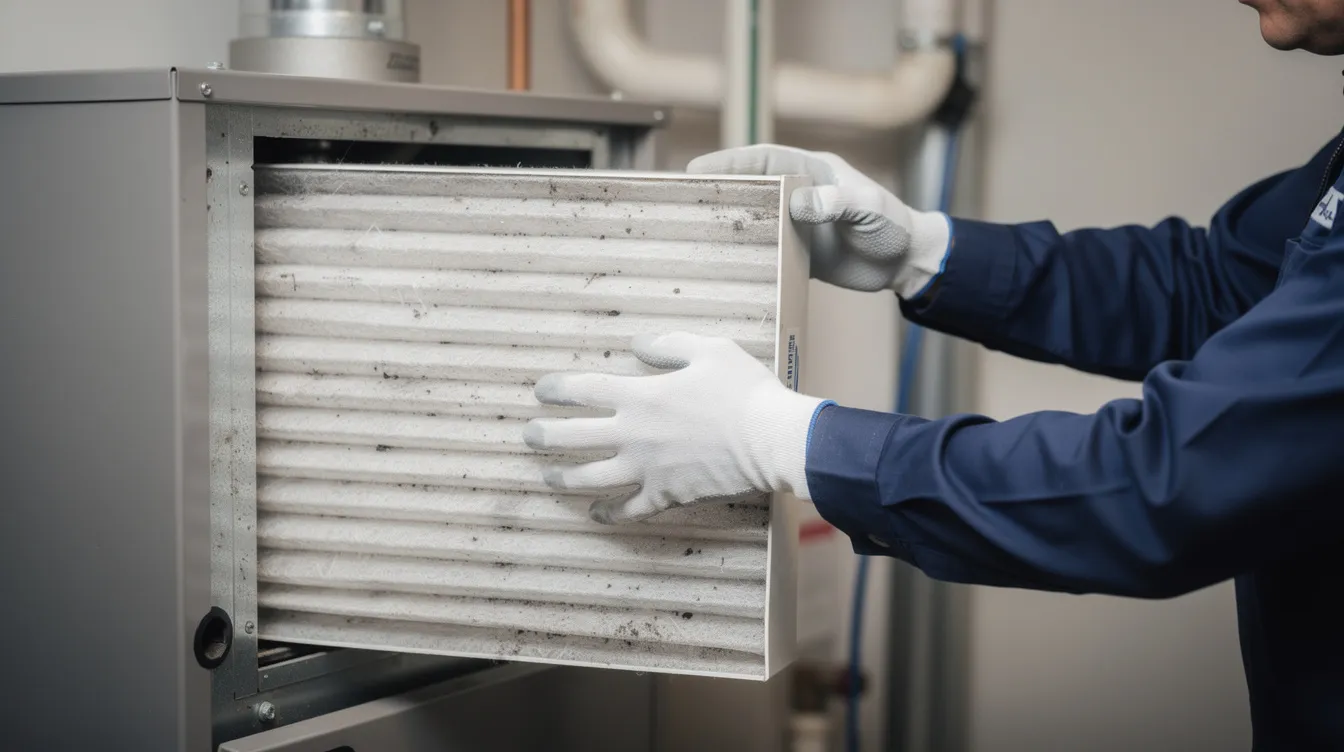
- Change your filters regularly. Regularly changing or cleaning air filters ensures maximum efficiency of cooling systems. Replace disposable filters every 1–3 months during cooling season. A MERV 8–11 filter balances good filtration with adequate airflow for most central air systems.
- Keep your outdoor unit clear. Maintain at least 2 feet of clearance around the condenser. Trim vegetation, and gently rinse off grass clippings and debris with a garden hose (power off first).
- Check your vents. Make sure supply and return vents inside the house are open and not blocked by furniture, rugs, or drapes. Restricted airflow strains the air handler and creates uneven temperature across your space.
- Use your thermostat wisely. Set reasonable summer temperatures (74–78°F). Using smart thermostats can help reduce energy use by optimizing cooling schedules and cutting runtime when the house is empty.
- Safety first. Never attempt refrigerant handling, internal electrical work, or opening sealed components. If you notice unusual noises, odors, or ice forming on refrigerant lines, call Dor-Mar promptly-don’t treat it as a quick fix you can handle yourself. Direct contact with pressurized refrigerant or live electrical components requires professional access and permission to handle safely.
Dor-Mar’s Home Comfort Membership and Local Service in Central Ohio
Dor-Mar Heating, Air Conditioning & Plumbing is a family-operated company that has provided exceptional service across Central Ohio since 1962. Our service teams cover Gahanna, Newark, Zanesville, and surrounding communities with responsive, same-day scheduling when cooling needs are urgent.
Our Home Comfort Membership is an annual HVAC maintenance program that includes:
- Scheduled AC and heating tune-ups before each heavy-use season
- Priority scheduling during peak summer and winter demand
- Discounts on ac repairs, parts, and new equipment
Membership supports system longevity and performance by ensuring central air conditioners, heat pumps, and furnaces receive consistent care. Members experience fewer emergency breakdowns during Central Ohio’s hottest weeks, and we send reminders so you never have to track maintenance dates yourself.
Contact Dor-Mar by phone or book online to learn about current promotions on AC tune-ups, whole-house cooling system replacements, and Home Comfort Membership enrollment in your Central Ohio neighborhood.
If your ac unit is more than 10–12 years old, runs constantly, or struggles to keep up on 85–90°F Columbus summer days, schedule an inspection now-before the next heat wave makes the job urgent.
FAQ: Cooling Options and AC Maintenance in Central Ohio
These questions address practical concerns Central Ohio homeowners frequently have about choosing and maintaining a cooling system.
What’s the best cooling system for a typical Central Ohio home?
For most homes with existing ductwork, a properly sized central air conditioner or heat pump paired with a gas furnace offers the best combination of comfort, effectiveness, and cost. Ductless mini-splits are ideal for homes without ducts or for additions and bonus rooms that need targeted cooling in individual rooms. Window and portable units work best for short-term or supplemental cooling needs. Dor-Mar provides in-home assessments and free estimates to help families choose the right equipment for their budget and long-term plans.
How often should I schedule AC maintenance in Central Ohio?
Homeowners should schedule professional AC or heat pump maintenance once per year, ideally in early spring (March–May) before the unit runs daily. Systems in homes near fields, wooded areas, or heavy traffic zones may benefit from more frequent checks due to cottonwood, pollen, and dust buildup on the condenser and filters. Dor-Mar’s Home Comfort Membership automatically includes annual cooling and heating tune-ups to keep your system in warranty and running at peak performance.
When should I repair vs. replace my central air conditioner?
Key replacement indicators include system age beyond 12–15 years, repeated breakdowns, major component failures like a compressor or coil leak, and rising summer electric bills despite unchanged thermostat settings. A useful rule of thumb: if a single repair approaches 40–50% of the cost of a new, energy efficient unit, replacement often makes more financial sense-especially when you factor in available utility rebates or financing. Dor-Mar technicians provide honest recommendations and cost comparisons after diagnosing any issue in Central Ohio homes.
Can I improve comfort without replacing my whole cooling system?
Absolutely. Relatively low-cost upgrades can make a noticeable difference: sealing and balancing ductwork, adding or relocating supply and return vents, installing a smart thermostat, and improving attic insulation all help. Zoning with ductless mini-splits or adding ceiling fans in key rooms can even out hot and cold spots, especially on upper floors. Dor-Mar can evaluate your existing central air system and suggest targeted improvements during a maintenance visit or service call.
Do you service both Central Ohio homes and light commercial buildings?
Yes. Dor-Mar services residential and light commercial properties across Central Ohio, including small offices, shops, and multi-family buildings. We offer AC installation, repairs, routine maintenance, and indoor air quality solutions for both home and light commercial cooling systems. Business owners in Gahanna, Reynoldsburg, Newark, and surrounding areas can contact Dor-Mar to discuss maintenance plans tailored to their building’s cooling needs and operating hours (http://dormarhvac.com).