We Offer Financing!
A Homeowner’s Guide to Reliable Water, Drains & Comfort
Key Takeaways
- Every home’s plumbing consists of two core systems: the pressurized water supply that delivers clean water and the gravity-driven drain-waste-vent (DWV) system that removes wastewater.
- DorMar Heating, Air Conditioning & Plumbing is a family owned business that has provided residential plumbing and home comfort services since 1962 across Central Ohio and Southwest Florida.
- Fast action on leaks, clogs, and water heater issues can prevent costly water damage—the EPA estimates average household leaks waste nearly 10,000 gallons annually.
- Schedule service or book online for repairs, and consider the Home Comfort Membership for preventive maintenance that catches problems early.
What Is Residential Plumbing?
A residential plumbing system consists of three main subsystems: potable water supply, drain-waste-vent (DWV), and stormwater. This integrated system brings clean, pressurized water into your home while safely moving wastewater out through drains and into the municipal sewer or septic system. This network serves single-family homes, condominiums, and small multi-family buildings. The stormwater system is especially important during periods of heavy rain, as intense rainfall and overflowing rivers can cause flooding that impacts land and residential plumbing systems by allowing floodwaters to enter basements or overwhelm drains.
Compared to commercial plumbing or industrial installations, residential systems are typically simpler and smaller in scale, featuring fewer fixtures and shorter pipe runs. A typical house might have 10-20 fixtures, while a commercial building could have 100 or more.
Common residential plumbing components include:
- Supply lines that lead potable water from the main or well to fixtures throughout the home (historically, lead pipes were used, but today copper, PEX, PVC, and ABS piping are common materials). Water sources are often managed through dams and river banks to control water flow and prevent floodwaters from affecting residential areas.
- Shutoff valves for isolating sections or the entire system
- Fixtures such as sinks, toilets, tubs, and showers
- Water heaters (tank or tankless models)
- Drain lines removing wastewater from each fixture
- Vent pipes extending through the roof to maintain proper drainage
- Sewer or septic connections carrying waste away from the property
Materials commonly used in plumbing systems include copper, PEX, PVC, and ABS piping.
Residential plumbers handle everyday issues like dripping faucets, clogged drains, broken garbage disposals, running toilets, and new fixture installations. Clogged drains are one of the most common plumbing issues, often caused by the accumulation of hair, soap, grease, and food particles—using drain strainers can help prevent clogs by catching hair and debris in sinks and shower drains. Leaky faucets can waste a significant amount of water, with a single drip per second potentially wasting over 3,000 gallons a year. At DorMar, we focus on residential and light commercial work, keeping our services tailored to homeowners rather than institutional or industrial facilities.
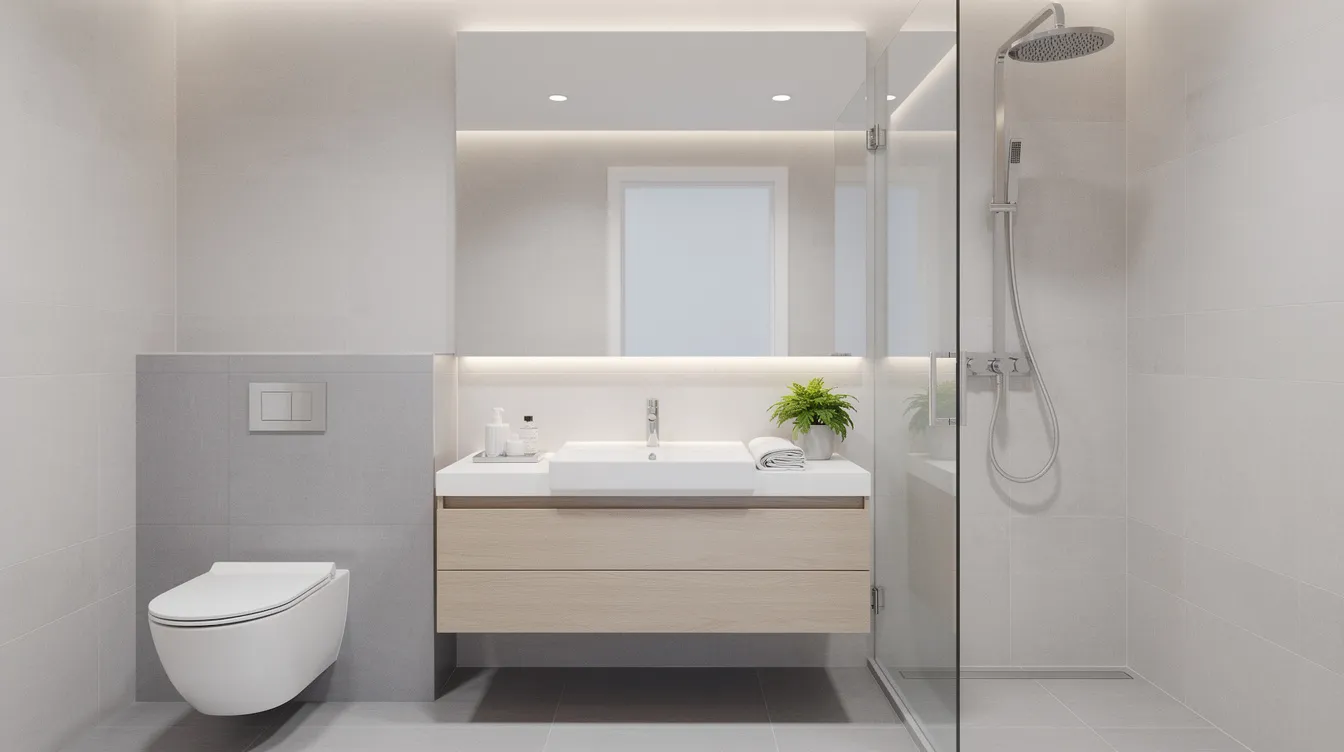
The Two Core Plumbing Systems in a Home
Every modern house plumbing layout operates around two main systems working in tandem: the water supply system and the drain-waste-vent (DWV) system. Understanding how these function helps you describe symptoms accurately when scheduling service.
Water Supply System
The water supply system uses smaller-diameter pressurized pipes—typically copper, PEX, or CPVC—to carry potable water from the municipal main or private well to each fixture in your home. These pipes range from 1/2-inch to 3/4-inch for branch lines, operating under pressures between 40 and 80 psi.
Drain-Waste-Vent (DWV) System
The DWV system employs larger-diameter pipes (1.5 to 4 inches) made of PVC, ABS, or cast iron in older construction. Unlike the supply side, this system relies on gravity rather than pressure, requiring minimum slopes of 1/4 inch per foot for horizontal runs to achieve proper flow.
Vent pipes protruding through the roof equalize air pressure, allowing drains to flow smoothly. They also ensure P-traps—those U-shaped bends under sinks—retain their water seal. These traps hold 2-4 inches of water that blocks sewer gas containing hydrogen sulfide and methane from entering your living spaces.
How a Typical House Plumbing System Works
Water enters your home through the main service line, passes the meter and main shutoff valve, then branches throughout the house before exiting through the sewer or septic system. Knowing this flow helps you respond quickly during emergencies.
Additionally, the stormwater system manages rainwater and snowmelt by diverting water away from your home’s foundation and structure to prevent flooding, which is a significant risk if water is not properly controlled. However, during periods of heavy rain or when natural hazards such as flash floods occur, drainage systems can become overwhelmed, causing flood waters to rise rapidly. In such cases, residents may need to move to higher ground to protect property and ensure safety.
Main Shutoff Location
The main shutoff is commonly a gate or ball valve located in the basement, garage, or crawlspace near where the service line enters the foundation. Find yours before an emergency—it typically requires 5-10 turns to fully close.
Pressure Regulation
Many Central Ohio and Southwest Florida homes include a pressure-reducing valve (PRV) to keep water pressure within a safe range. Excessive pressure above 80 psi can damage fixtures, cause water hammer, and shorten appliance lifespans.
Hot Water Path
Cold water enters the water heater, gets heated to 120-140°F, and distributes through dedicated hot water lines to faucets, showers, dishwashers, and washing machines. Tank models store 30-80 gallons, while tankless units heat water on demand.
Drainage Flow
Water exits fixtures through traps, flows into branch drains (1.25-2 inches), then joins a main stack (3-4 inches) before exiting to the municipal sewer or septic system.
Example layout: A 1990s 3-bedroom, 2-bath home typically features a central 4-inch stack in the basement. The kitchen sink (1.5-inch trap), dual bathrooms (2-inch arms), and laundry (2-inch) all tie into this stack, with roof vents placed at 10-foot intervals per code.
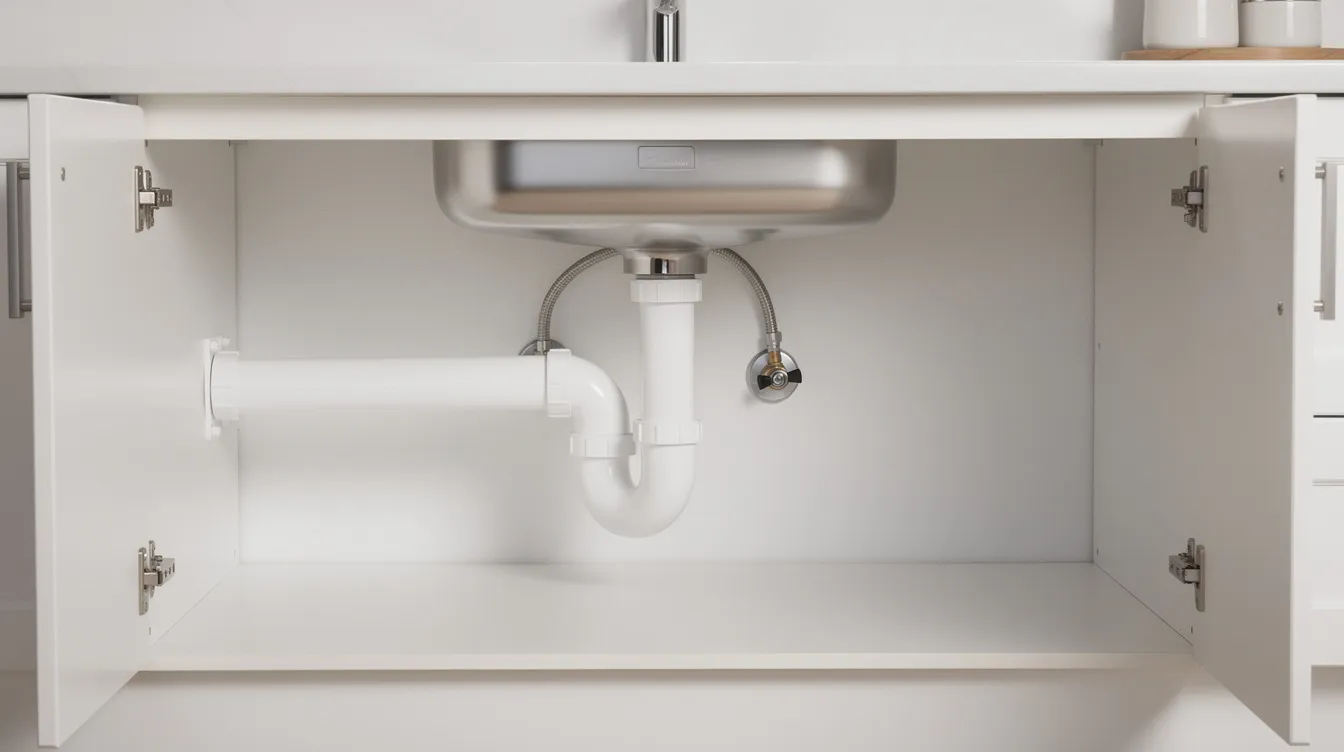
Main Types of Residential Plumbing Lines and Fixtures
Understanding the three key categories—supply lines, fixtures/appliances, and drain lines—helps you communicate effectively with your technician and make informed decisions about repairs or upgrades. During flooding events, water supply lines and fixtures can become contaminated, posing health risks and requiring professional cleaning or replacement. It’s important to match the right professional to each plumbing job, as dealing with different types of fixtures and repairs requires the expertise of experienced technicians.
Water Supply Lines
| Era | Common Material | Notes |
|---|---|---|
| Pre-1970 | Galvanized steel | Prone to rust; can reduce flow 50% over decades |
| 1950s-2000 | Copper | Durable, 50+ year lifespan, handles thermal expansion |
| Post-2000 | PEX | 50-100 year lifespan, freeze-resistant, easier installation |
Fixtures and Appliances
Residential fixtures include toilets, sinks, showers, bathtubs, hose bibs, dishwashers, refrigerators with ice makers, clothes washers, and built-in humidifiers on furnaces. WaterSense-labeled toilets use just 1.28 gallons per flush compared to 3.5-7 gallons in pre-1994 models, saving approximately 13,000 gallons yearly.
Water Heaters
Water heaters bridge supply and demand. Tank models typically last 8-12 years, while tankless units can reach 20+ years with proper maintenance. Tankless systems provide endless hot water at 98% efficiency but require proper sizing for your household’s peak demand.
Drain Lines and Cleanouts
Branch drains from each fixture join larger lines leading to the main stack. Accessible cleanout points every 50-100 feet allow for efficient professional drain cleaning using hydro-jetting at 3,000-4,000 psi.
DorMar also integrates plumbing with other home comfort systems, coordinating with HVAC for humidifier tie-ins and ensuring code-compliant electrical connections for water heater installation and related plumbing services.
Common Residential Plumbing Problems (and When to Call a Pro)
Minor plumbing issues can quickly escalate into major damage if ignored, especially around finished basements, wood flooring, and areas where mold can develop within 24-48 hours of unchecked moisture. Plumbing emergencies caused by flooding can rapidly turn into a disaster, with risks such as contaminated floodwaters, drowning hazards—remember the safety phrase “Turn Around, Don’t Drown”—and falling debris posing serious threats. Various factors—such as pipe age, water pressure, seasonal temperature changes, and improper installation—can contribute to common residential plumbing problems. Additionally, plumbing emergencies can sometimes result in injury if not handled properly, underscoring the importance of prompt and professional attention. When cleaning up after a flood, always wear heavy work gloves to protect yourself from sharp debris and hazardous materials.
Water Supply Problems
- Leaky supply lines from worn washers or corroded connections
- Dripping faucets wasting gallons daily and increasing utility bills
- Failed shutoff valves that won’t close during emergencies
- Low water pressure from clogged aerators or partially closed valves
- Discolored water signaling galvanized pipe rust or well sediment
Drain and Sewer Issues
- Slow sinks and tubs from hair, soap, or grease buildup (40% of clogs)
- Recurring clogs indicating deeper blockages or root intrusion
- Gurgling drains from inadequate venting siphoning trap seals
- Sewer odors when trap water evaporates in rarely-used drains
- Sewage backups in lower-level fixtures
Fixture Problems
- Running toilets wasting up to 200 gallons daily from worn flappers
- Loose or rocking toilets indicating worn wax rings
- Water hammer from rapid valve shutoffs requiring arrestors
- Malfunctioning garbage disposals jammed on fibrous waste
Water Heater Warning Signs
Signs you may need water heater repair include insufficient hot water, fluctuating temperatures, popping or rumbling sounds from sediment buildup, visible rust or corrosion, and water pooling under the tank.
DIY vs. Professional Help:
| DIY-Friendly | Requires Licensed Plumber |
|---|---|
| Cleaning faucet aerators | Gas line work |
| Plunging simple toilet clogs | Main shutoff replacement |
| Replacing shower heads | Sewer line problems |
| Tightening loose handles | Water heater installation |
| Chemical drain cleaners can damage older PVC pipes at low pH levels—professional plumbers use video scopes to pinpoint issues with 90% accuracy. |
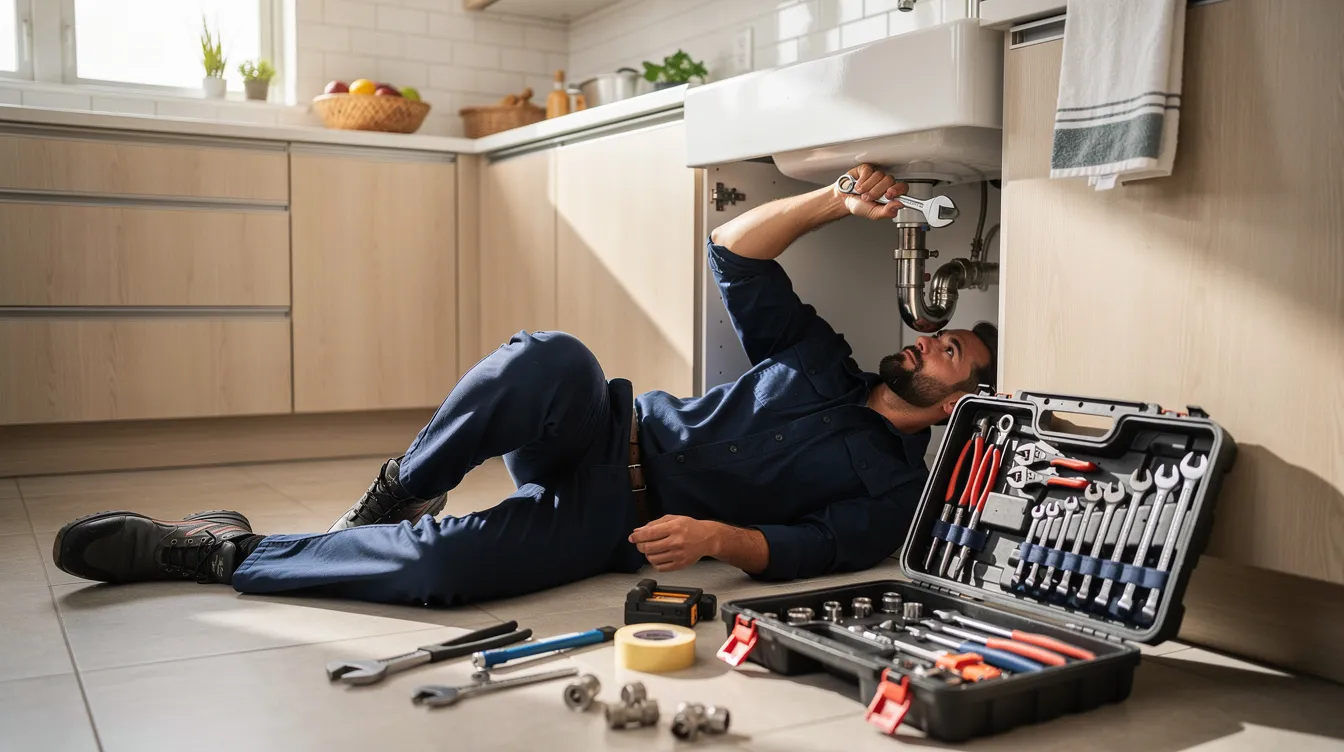
Residential vs. Commercial Plumbing
While basic principles remain the same, residential and commercial plumbing differ significantly in scale, complexity, and code requirements. Flooding can also damage critical infrastructure such as bridges, which may disrupt water supply and access to plumbing services in affected areas.
Residential characteristics:
- 10-20 fixtures with 100-300 linear feet of pipe
- Simpler parallel branching
- Direct homeowner communication
- Focus on cleanliness and protecting personal property
Commercial systems feature:
- 100+ fixtures across multiple floors
- Complex vertical stacks and manifolds handling 50+ GPM peaks
- Large restrooms and commercial kitchens
- Backflow prevention assemblies per ASSE 1013 standards
- Sometimes greywater recycling systems reclaiming 30% of water volume
Residential service work emphasizes respect for your home—technicians wear shoe covers, use drop cloths, and maintain clean work areas. As a family owned business with decades of experience in both plumbing heating services, DorMar focuses on residential and light commercial projects, keeping our expertise relevant to single-family homes, small offices, and neighborhood businesses rather than high-rise buildings or industrial facilities.
Designing and Upgrading a Residential Plumbing System
Even though residential plumbing design is simpler than large commercial construction, thoughtful planning improves comfort, efficiency, and long-term reliability for any project. In rural or agricultural settings, residential plumbing design should also consider the impact of flooding on animals and livestock, as well as the need to protect their habitats. Following best practice guidelines when designing or upgrading a residential plumbing system ensures optimal performance, safety, and protection against potential issues.
New Construction Considerations
- Strategic fixture placement minimizing pipe runs
- Correct pipe sizing for adequate pressure (3/4-inch minimum for mains)
- Drain slopes of at least 2% for proper flow
- Rough-ins for future additions or finished basements
Remodel Challenges
Working within existing walls presents unique obstacles. Remodels often require tying new fixtures into old lines, verifying venting adequacy, and bringing outdated piping up to current code. Pre-1970s homes may contain asbestos-cement pipes, while polybutylene (installed 1980-1995) is prone to failure and typically needs replacement.
Hot Water Convenience Options
Recirculation loops deliver hot water faster to distant bathrooms, cutting wait times from 30-90 seconds to nearly instant. Properly insulated hot water lines reduce heat loss, and right-sizing your water heater—or choosing tankless—ensures adequate supply without wasted energy.
Water Quality Upgrades
Consider whole-house filtration, water softeners for hard water areas (Central Ohio and Southwest Florida often measure 10-20 grains per gallon), and point-of-use reverse osmosis systems filtering 99% of total dissolved solids at kitchen sinks.
Schedule a plumbing estimate with DorMar for additions like a new bathroom, kitchen renovation, or laundry relocation.
DorMar’s Residential Plumbing Services in Central Ohio & Southwest Florida
As a family owned business operating since 1962, DorMar serves residents in local cities across Central Ohio and Southwest Florida with comprehensive residential plumbing services alongside HVAC, electrical, and more. We ensure customers have access to essential plumbing supplies for every job. When it comes to hiring, we emphasize the importance of choosing licensed professionals for plumbing work to guarantee quality, compliance, and peace of mind. For each project, DorMar matches the right team of experts to deliver optimal results for your home.
Core Residential Plumbing Services
- Leak detection and repair using infrared technology
- Fixture replacement and installation
- Toilet repair and installation
- Garbage disposal service
- Sump pump installation and maintenance
- Backflow prevention testing per Ohio EPA mandates
Drain and Sewer Services
- Professional drain cleaning with hydro-jetting
- Camera inspections revealing root intrusion and line damage
- Root foaming treatments (kills 90% regrowth)
- Referrals for sewer line repair where local codes apply
Water Heater Services
Our technicians handle gas and electric water heater repair and replacement, tankless water heater options, and code-compliant water heater installation including proper venting and safety valves. Tankless retrofits with hybrid recirculation can save 10,000 gallons annually.
Integrated Home Comfort
Plumbing services work alongside our heating, cooling, water purification, radon mitigation, indoor air quality, and electrical/appliance repair offerings. Humidifier tie-ins add 20-30 gallons daily to drains, and radon-linked sump pumps are vented to prevent harmful gas accumulation.
For emergency plumbing situations like burst pipes, major leaks, or sudden loss of hot water, DorMar offers 24/7 emergency support with well-stocked vans resolving 85% of issues same-day.
Preventive Plumbing Maintenance & Home Comfort Membership
Proactive maintenance extends plumbing lifespan, maintains water quality, and reduces the flood risk from unexpected failures that can cost homeowners thousands in repairs.
Annual and Seasonal Tasks
- Check visible pipes for corrosion or leaks
- Test shutoff valves to ensure they operate freely
- Flush the water heater to remove 1-2 gallons of sediment (boosts efficiency 10-20%)
- Clean faucet aerators to restore water pressure
- Inspect braided supply lines to appliances for bulging or wear
Home Comfort Membership Benefits
DorMar’s Home Comfort Membership bundles plumbing checkups with HVAC tune-ups, offering:
- Priority scheduling
- Service discounts
- Scheduled inspections for key plumbing components
Real examples: Catching a bulging washing machine hose before it bursts prevents thousands in water damage. Identifying a slow leak at a water heater early protects finished basements and flooring.
Ask about membership when you call or book online for any plumbing needs in Central Ohio or Southwest Florida.
Service Areas and How to Schedule Residential Plumbing Help
DorMar serves residential and light commercial customers across Central Ohio—including Columbus-area communities like Gahanna, Westerville, and surrounding Franklin County suburbs—and Southwest Florida regions including Lee and Collier counties, with multiple service locations across both states. When you schedule service, we ensure the right professional is matched to each job, so your residential plumbing or home comfort needs are handled efficiently and expertly.
Scheduling Options
- Online booking through the DorMar website
- Call the local office for immediate assistance
- Request an estimate for larger projects like bathroom remodels or water heater replacement
Homeowners can request repair, maintenance, or installation windows designed to minimize disruption. DorMar technicians arrive in well-stocked trucks to complete most jobs in a single visit.
Every technician is licensed, background-checked, and committed to up-front pricing. We protect your home with clean work areas, drop cloths, and careful cleanup—because how we treat your property matters as much as the quality of our work.
FAQ: Residential Plumbing Questions Homeowners Often Ask
How often should I have my home’s plumbing inspected?
Most homes benefit from a general plumbing checkup every 1-2 years. Annual inspections are recommended for older homes built before the 1990s, where 40% may still have galvanized steel supply lines at risk of failure. After a major renovation or when buying a home, a detailed plumbing evaluation—including drain camera inspection—is a smart investment. Inspections can be combined with HVAC maintenance through DorMar’s Home Comfort Membership.
What are the signs my main sewer line might be in trouble?
Watch for multiple slow drains at once, gurgling sounds from toilets, sewage smells in lower levels, and backups in basement floor drains. If sewage backs up anywhere inside, stop using water immediately and call for professional help—this creates both health hazards and property damage risks. Camera inspections can pinpoint root intrusion, bellies in the line, or breaks, especially in older neighborhoods with mature trees.
Can I use chemical drain cleaners for clogs?
Over-the-counter chemical drain cleaners may clear minor hair or soap clogs but can damage older pipes, fixtures, and rubber components over time. Safer first steps include plunging, using mechanical drain snakes, or trying enzyme-based products. Never mix different chemical cleaners. For recurring or severe clogs, professional drain cleaning uses specialized equipment that’s safer for your plumbing system and more effective long-term.
When should I replace my water heater instead of repairing it?
Standard tank water heaters typically last 8-12 years, while well-maintained tankless units can reach 15-20 years depending on water quality. Strong indicators for replacement include repeated repairs, visible tank corrosion, rusty or discolored hot water, or leaks from the tank body. Upgrading can improve efficiency and recovery time—DorMar can help size and select the right model for your household’s plumbing needs.
What should I do first if a pipe bursts in my home?
Immediately locate and close the main water shutoff valve, then open a few faucets to relieve remaining pressure. Move valuables and electronics away from wet areas and use towels or a wet/dry vacuum to limit water spread. If safe, turn off electricity to heavily affected rooms. Call DorMar right away for emergency plumbing service, and document damage with photos for insurance purposes as soon as it’s safe to do so.