We Offer Financing!
A Practical Guide for Healthier Indoor Air
Key Takeaways
- Professional duct cleaning removes accumulated dust, pet dander, mold spores, and pollen from your hvac system, reducing allergens that circulate through your home every time the system runs.
- Dirty air ducts and clogged air vents can push contaminants into every room, aggravating allergies, asthma, and other respiratory issues-especially during Central Ohio’s pollen season and Southwest Florida’s year-round humidity.
- Dor-Mar Heating, Air Conditioning & Plumbing follows National Air Duct Cleaners Association (NADCA)-aligned practices, cleaning the entire system-not just the visible vents-to deliver measurable improvement in indoor air quality.
- Most homes benefit from duct cleaning every 3 to 5 years, or sooner after renovations, water damage, or pest activity in the ductwork.
- Homeowners near Columbus, OH or in Southwest Florida can schedule duct cleaning or an indoor air quality inspection with Dor-Mar to find out exactly what’s circulating through their home’s air.
Introduction: Why Air Duct Cleaning Matters for Your Home
Modern homes in Central Ohio and Southwest Florida are built tight. Energy-efficient windows, sealed construction, and continuous insulation keep extreme temperatures outside-but they also mean the indoor air you breathe cycles through your hvac ductwork again and again. Your heating and cooling system doesn’t create fresh air. It recirculates what’s already inside.
Over months and years, dust, construction debris, pet hair, mold spores, and other particles settle inside the duct system. Every time the blower fan kicks on, some of those contaminants dislodge and ride the airflow straight into bedrooms, kitchens, and living rooms through your supply vents. The result can be stale indoor air, lingering odors, allergy flare-ups, and a general sense that something just isn’t right.
Dor-Mar has been helping families protect their home comfort and indoor air since 1962. Air duct cleaning is part of a broader approach that includes filtration upgrades, humidity control, and regular HVAC maintenance. In this guide, we’ll walk through what air ducts actually do, how contamination builds up, the specific health and comfort benefits of cleaning, and what to expect when a professional team shows up at your door.
Understanding Your Air Duct System
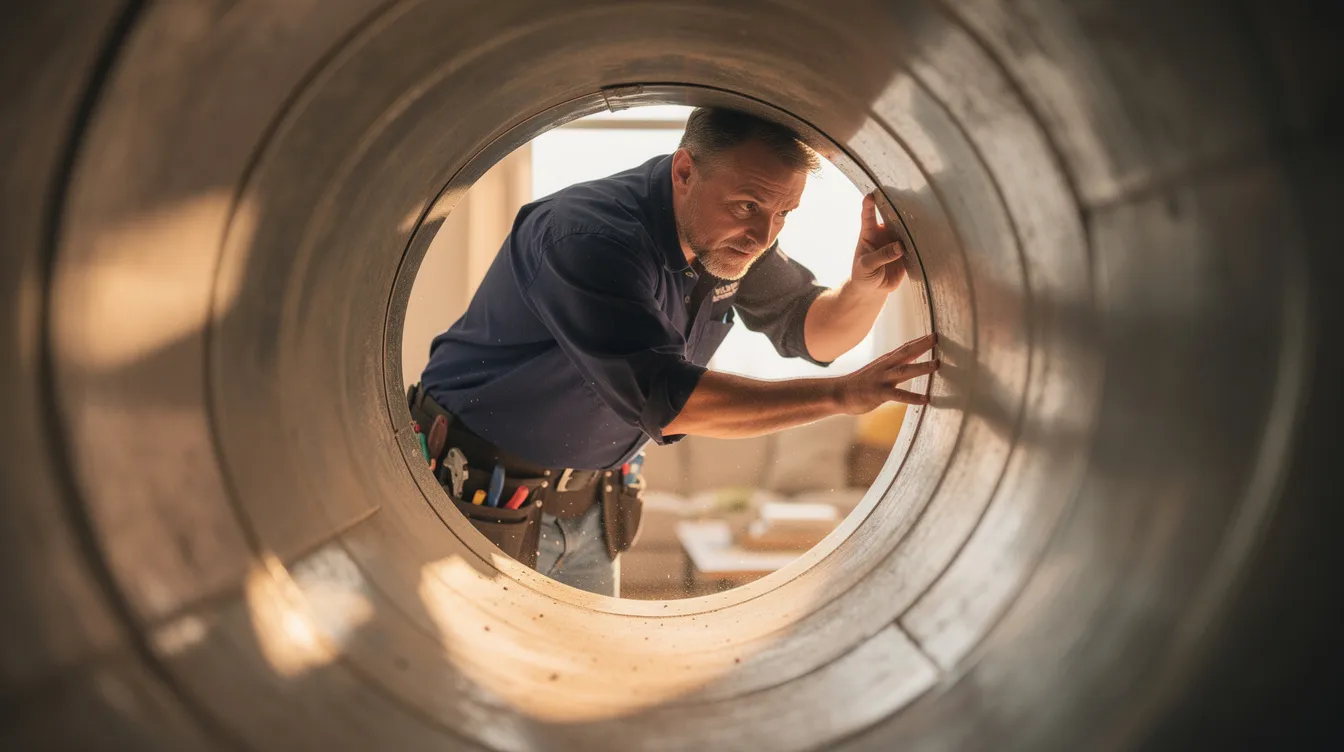
Your hvac ductwork is a network of channels that distribute conditioned air throughout your home. It starts at the hvac unit-your furnace, heat pump, or air handler-where air is heated or cooled. From there, air moves into the supply plenum, a central distribution box that feeds into trunk lines (the large main ducts) and then into smaller branch ducts that reach individual rooms.
Here’s how the loop works:
- Return ducts pull indoor air back to the hvac unit through return vents and grilles.
- The system filters and conditions that air (heating it, cooling it, or both).
- Supply ducts then deliver air-whether heated air in winter or cool air in summer-back into your living space through supply registers.
Plenums distribute air from the HVAC unit to ducts, serving as the starting point for the entire system. If you’re unfamiliar with terms like “plenum,” “trunk line,” “branch duct,” or “register,” Dor-Mar’s HVAC Glossary breaks them down in plain language.
Common Duct Materials
Not all ducts are the same. The material matters for cleaning, durability, and performance:
| Duct Type | Key Characteristics | Cleaning Notes |
|---|---|---|
| Sheet metal ducts (galvanized steel) | Rustproof and durable; zinc coating resists corrosion | Easy to clean; smooth interior surfaces |
| Flexible duct (flex duct) | Lightweight and easy to install; bendable plastic and insulation material over a wire frame | Requires careful handling during cleaning; can be damaged by harsh tools |
| Rigid ductwork (aluminum) | Withstands extreme temperatures and resists corrosion | Cleans similarly to sheet metal |
| Fiberboard ducts | Least expensive but can slow airflow due to rough fiberglass surface | Difficult to clean; may harbor mold; often needs replacement rather than cleaning |
Insulated ducts minimize temperature loss during air transfer and can reduce energy costs by minimizing heat loss. However, if insulation material becomes wet or contaminated, it creates an environment that can harbor mold.
When rooms have persistent hot and cold spots or weak airflow from certain vents, the cause often traces back to duct issues-air leaks, blockages, kinked flex duct in tricky spaces like crawl spaces and attics, or poor design. Poorly installed ducts can lead to imbalanced airflow, leaving some rooms uncomfortable no matter how you adjust the thermostat. A duct inspection and cleaning can help identify these problems before they escalate.
What Is Air Duct Cleaning (and What It’s Not)?
True duct cleaning goes far beyond wiping down the visible vent covers. According to EPA guidelines, proper cleaning covers the entire system: supply and return ducts, registers, grilles, the evaporator coil, blower fan, drain pans, and the air handler cabinet. Qualified professionals should clean the entire HVAC system, not just ducts-because leaving dirty components behind means contaminants quickly re-enter the cleaned ductwork.
The industry standard for effective cleaning is called “source removal.” This means physically breaking contaminants loose from duct surfaces using agitation tools, then safely collecting them with powerful vacuums under negative pressure. The duct cleaning process involves negative pressure to contain debris, ensuring loosened dust is pulled into sealed equipment rather than blown into your living space.
What It’s Not
Be cautious of “$99 whole-house duct cleaning” coupon offers. These “blow-and-go” operations typically vacuum a register or two, skip the coils and blower entirely, and may actually damage ductwork or redistribute dust deeper into the system. Dor-Mar’s Whole House Duct Cleaning service is built on NADCA-aligned methods that address every component.
It’s also important to set realistic expectations. Routine air duct cleaning is not recommended by the EPA for every home, and air duct cleaning does not prevent health problems in all situations. Air ducts should be cleaned when substantially clogged with debris, when there’s verified mold, vermin, or when occupants have allergy or asthma concerns. Dor-Mar helps homeowners evaluate their specific situation rather than pushing unnecessary services.
Duct cleaning is one tool in an overall indoor air quality plan. It works best alongside good filtration, humidity control, and source control of pollutants.
How Dirty Air Ducts Affect Indoor Air Quality
Every time your air conditioning system or heating system cycles, air passes over duct walls that may be coated with years of accumulated particles. In Central Ohio, seasonal pollen, road salt residue, and drywall dust from winter renovation projects settle inside hvac ducts. In Southwest Florida, high humidity encourages mold growth, and year-round air conditioning means the system runs almost constantly, pulling in dust mites, outdoor pollutants, and moisture.
Dust buildup in ducts can worsen indoor air quality in ways you might not immediately connect to your ductwork. Loose connections, damaged air ducts in attics, and gaps around duct joints can draw in insulation fibers, outside air carrying vehicle exhaust from attached garages, and moisture-laden air and water vapor from crawl spaces. Up to 30 percent of air can escape through duct leaks, which means unconditioned, unfiltered outside air gets pulled in to replace it.
Homeowners often notice the symptoms before they identify the cause:
- More frequent dusting, even after thorough cleaning
- Visible dust puffs from air vents when the system starts
- A musty odor when the furnace or air conditioner cycles on
- Irritated eyes, scratchy throats, or sinus congestion that improves when you leave home
Dirty air ducts can circulate allergens and dust throughout every room, degrading overall air quality. This hits hardest for children, older adults, and anyone managing asthma, COPD, or seasonal allergies. Low indoor air quality and indoor air quality problems don’t always announce themselves dramatically-sometimes it’s just a slow background decline in how comfortable you feel at home.
Dor-Mar often pairs duct cleaning with filter upgrades and sometimes indoor air quality solutions like air cleaners or UV systems for more sustained improvement. Clean ducts improve indoor air quality significantly, but keeping them clean requires the right supporting habits.

Health Benefits: Reducing Allergens and Unwanted Particles
Duct cleaning isn’t a medical treatment-but reducing the volume of airborne allergens and particulates circulating through your home can make a real, noticeable difference for sensitive occupants. Air duct cleaning can help reduce indoor air pollution levels, particularly when contamination is substantial.
Common allergens and irritants that accumulate inside air ducts include:
- Pet hair and pet dander
- Dust mites and their waste products
- Pollen (spring tree pollen in Ohio, year-round grass and mold spores in Florida)
- Mold spores from moisture exposure
- Insect debris (cockroach allergens are a documented asthma trigger)
Every heating or cooling cycle can dislodge these particles from duct walls and push them through supply vents into bedrooms, living rooms, and home offices. If you’ve noticed that allergy symptoms seem worse indoors, your duct work may be part of the problem.
Consider a homeowner in Gahanna, OH with two dogs and a cat. Despite vacuuming daily and running the air conditioner with a standard filter, sneezing fits persist and dust reappears on surfaces within hours. After a full-system cleaning-including the blower, coils, and all supply and return ducts-combined with an upgrade to a high-MERV filter, the difference is immediate: less dust, fewer symptoms, better sleep.
Visible mold or excessive dust warrants immediate air duct cleaning. Visible mold growth in ducts indicates a need for cleaning that shouldn’t be postponed. Signs for cleaning include excessive dust or unexplained allergy flare-ups that don’t respond to other interventions. And air duct cleaning can eliminate odors caused by mold or pests-those lingering smells that no amount of air freshener can mask.
The benefit of keeping allergens and unwanted particles out of the air is especially important in homes with newborns, elderly residents, or people working remotely who spend all day breathing conditioned indoor air.
Comfort & Energy Benefits: Air Flow, Hot & Cold Spots, and Utility Bills
Dust buildup, construction debris, and even small objects (kids’ toys, fallen insulation) can partially block ducts or registers, reducing air flow to certain rooms. The result: persistent cold spots in a back bedroom, a second floor that’s always too warm, or a cooling unit that runs and runs without ever reaching the set temperature. Hot and cold spots indicate airflow issues in ducts, and cleaning is often the first step toward resolving them.
When return ducts are blocked, filters are clogged, or a flex duct is kinked in an attic, the blower fan works harder to deliver air. That extra effort shows up directly on your monthly electric or gas bill. Homes with heavily contaminated systems can see immediate savings of $15 to $25 per month after proper cleaning, according to industry estimates. Over a 3-to-5-year cleaning interval, those savings add up.
Removing obstructions and cleaning debris from coils, blower components, and the duct system helps your hvac system move air more efficiently and closer to its rated capacity. Homeowners commonly report:
- More even temperatures from room to room
- Stronger airflow from previously weak supply registers
- Shorter run times for heating and cooling cycles
- Reduced noise from the system struggling against restrictions
Cleaning ducts can improve HVAC system efficiency and lifespan. Regular duct maintenance can extend HVAC system lifespan by reducing strain on motors, blowers, and compressors. Properly maintained ducts reduce unwanted odors in homes, and duct cleaning can even prevent carbon monoxide leaks from heating systems by ensuring proper venting and air flow around heat exchangers.
Energy efficiency isn’t just about the ducts themselves. Insulated ducts can reduce energy costs by minimizing heat loss, and sealing air leaks can prevent up to 20 percent of heating and cooling costs from being wasted. Duct cleaning combined with sealing and insulation is the most cost effective approach.
Signs Your Air Ducts May Need Cleaning
Not every home needs immediate duct cleaning. But here are concrete warning signs you can check on your own:
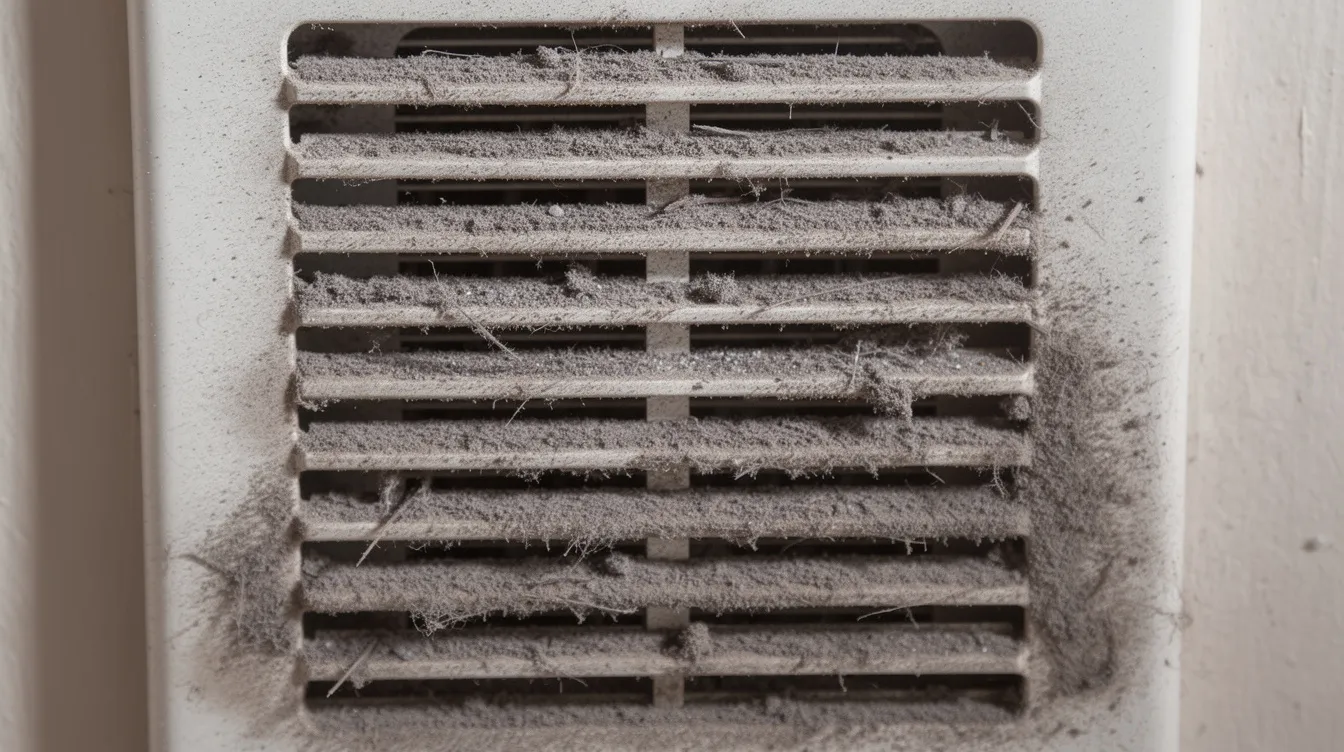
- Visible dust or debris blowing from supply vents when the system starts, or thick dust lines around vent grilles even after regular cleaning
- Recurring hot and cold spots that aren’t fixed by adjusting thermostats or opening vents, suggesting blockages or severe buildup in certain duct runs
- Musty or “dirty sock” odors when the AC or furnace cycles on, which can indicate microbial contamination or damp dust inside ductwork or on the evaporator coil
- Unexplained allergy or asthma flare-ups indoors that improve when you leave the house
- Evidence of rodent or insect activity in or around ducts-droppings, nesting material, or unusual scratching sounds
- Recent water damage, flooding, or major renovations that produced large amounts of dust or exposed ductwork to moisture
- Loud noises from ducts that may indicate damage or disconnection-rattling, popping, or whistling sounds that weren’t there before
Cleaning is advised when there’s visible mold growth or infestation. If you spot dark patches around registers or smell something musty that you can’t locate, it’s time for a professional inspection.
How Professional Duct Cleaning Works (Step-by-Step)
Dor-Mar’s process follows NADCA-style standards for cleaning the entire hvac system safely and thoroughly. Here’s what to expect:
1. Inspection and Documentation Technicians inspect air ducts and registers, often taking photos or video to document the current condition. They check for mold, vermin evidence, air leaks, and the overall level of buildup.
2. Home Protection Floors, furnishings, and finished surfaces are protected with drop cloths and coverings. Access holes are created at strategic points in the duct system to allow cleaning tools to reach all areas.
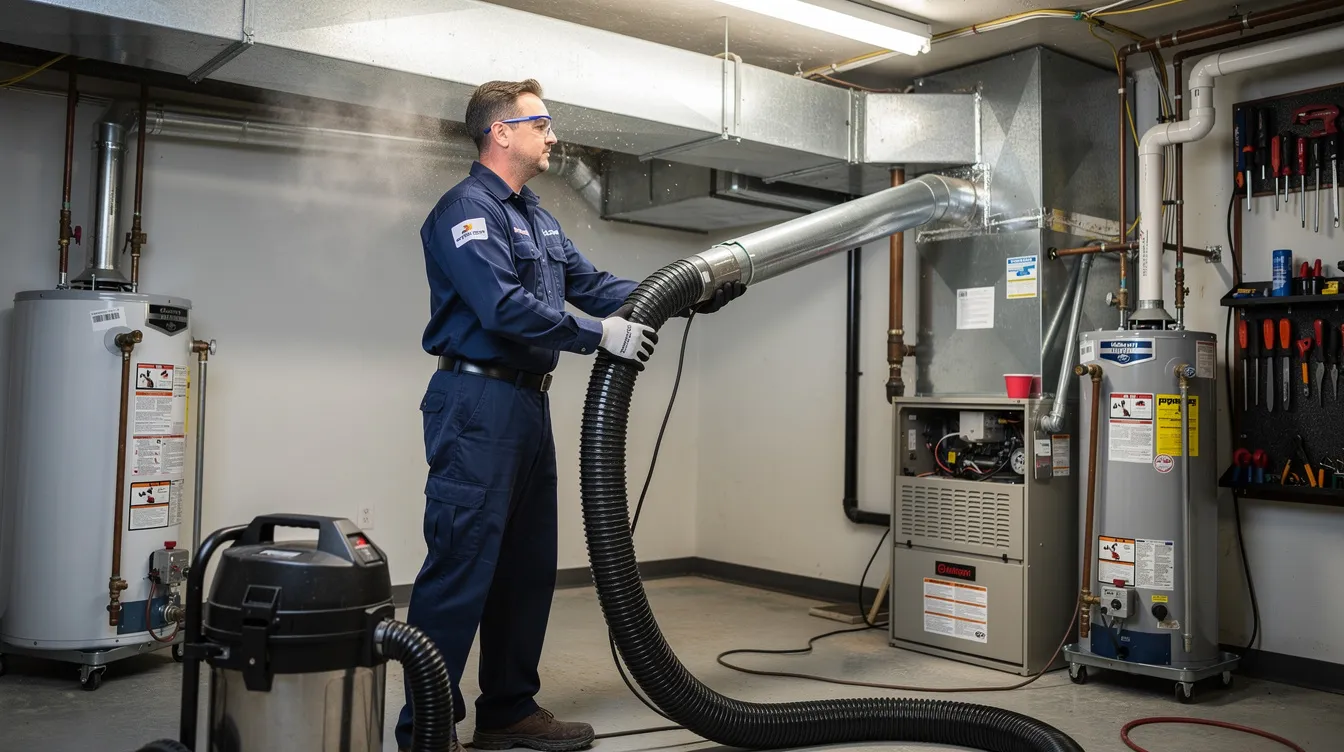
3. Negative Pressure Setup A powerful truck-mounted or high-capacity portable vacuum is connected to the duct system, placing it under continuous negative pressure. This means loosened contaminants are pulled toward the vacuum rather than pushed into your living space.
4. Agitation and Cleaning Technicians use agitation tools-rotary brushes, compressed air whips, or skipper balls-inside metal ducts and flexible duct runs to break contaminants loose. Tool selection depends on duct material: sheet metal ducts and rigid ductwork handle mechanical brushing well, while flex duct requires gentler methods to avoid tearing.
5. Component Cleaning The blower fan, evaporator coil, supply plenum, drain pans, and air handler cabinet are all cleaned and inspected. Skipping these surfaces would allow dust and debris to quickly re-enter the cleaned air ducts.
6. Reassembly and Walkthrough Access openings are sealed, registers are reinstalled, and technicians provide before-and-after documentation. They’ll walk you through what was found and offer recommendations for filters, choosing the right air filter, or other air quality upgrades.
After major renovations, air duct cleaning is recommended to remove construction dust that settles deep inside the system. This is especially common in homes undergoing kitchen remodels, basement finishing, or additions.
Antimicrobial Treatments, Mold, and When Chemicals Make Sense
Mechanical cleaning-brushing and vacuuming-is always the first and most important step. Antimicrobial sprays or treatments are optional tools used only in specific situations where microbial contamination has been confirmed.
If disinfectants, sanitizers, or deodorizers are applied inside ductwork, they must be EPA-registered for HVAC use and applied strictly according to label directions. These products are appropriate only on nonporous surfaces like sheet metal-never on the rough fiberglass surface of fiberboard duct or internally lined ducts.
When mold is confirmed in porous duct materials like fiberboard or heavily contaminated flex duct, replacement of that section is usually recommended rather than cleaning alone. No approved chemical treatment can fully penetrate saturated porous material.
The EPA’s guidance is cautious about chemical biocides and sealants. Dor-Mar focuses on addressing root causes-moisture control, drainage corrections, proper insulation, and humidity control solutions-to prevent mold from returning rather than relying on chemical treatments alone. If a technician recommends any chemical application, ask why, what the product is, and what results to expect. Transparency builds trust.
How Often Should You Have Your Air Ducts Cleaned?
Air duct cleaning should be performed every 3 to 5 years for most homes, provided the system is properly filtered and maintained. This interval aligns with what most NADCA-certified professionals recommend.
Factors that may justify more frequent regular cleaning:
- Multiple pets that shed heavily
- Smokers in the home
- Residents with severe allergies or compromised immune systems
- Frequent fireplace or woodstove use
- Moving into a previously owned home with unknown maintenance history
- Completing a major remodel or basement finishing project
- Experiencing a roof leak or flood that affected ductwork areas
HVAC filters should be replaced every 1 to 3 months to maintain air quality between cleanings. Understanding why filters get dirty quickly can help you choose the right replacement schedule.
Dor-Mar technicians can assess duct condition during annual furnace or AC tune-ups and give a personalized recommendation. Enrolling in Dor-Mar’s Home Comfort Membership makes it easier to stay on top of inspections, filter changes, and timely duct cleaning or repairs.
DIY Tasks vs. When to Call Dor-Mar for Professional Help
There are several simple tasks homeowners can and should handle on their own:
- Change HVAC filters regularly-every 1 to 3 months depending on the filter type, pets, and household size
- Vacuum vent covers and return vents with a brush attachment to keep surface dust from being pulled into the system
- Remove and wash metal or plastic vent grilles in warm, soapy water a few times a year
- Keep furniture, rugs, and drapes from blocking air vents or return registers
However, avoid inserting consumer-grade vacuums or brushes deep into ducts. This can tear flex duct, dislodge connections in crawl spaces or attics, or push debris further into the system where it’s harder to remove.
Call a professional like Dor-Mar when you encounter:
- Suspected mold or a persistent musty odor
- Evidence of vermin activity in or around hvac ducts
- Severe dust buildup visible inside duct openings
- Weak airflow to specific rooms or ongoing cold spots despite thermostat adjustments
- Loud noises from the duct work that suggest damage or disconnection
If you’re unsure whether your ducts need cleaning, schedule an inspection. Dor-Mar can combine a duct evaluation with a full HVAC performance check for added value-especially useful for homes in commercial buildings or older residential construction.
How Duct Cleaning Fits Into Overall Home Comfort & HVAC Care
Duct cleaning is one piece of a complete comfort strategy that includes your heating system, air conditioning, plumbing, and electrical safety. Clean air ducts complement services like furnace repair, AC tune-ups, heat pump maintenance, and indoor air quality upgrades including media filters, UV-C air purification, and humidifiers or dehumidifiers.
During duct inspections, Dor-Mar technicians often discover other issues-undersized return ducts, leaky connections, or uninsulated attic duct runs causing significant heat loss. These problems cause the hvac unit to work harder than necessary and contribute to higher utility bills and uneven comfort.
Addressing duct leaks, poor design, and inadequate insulation can:
- Reduce hot and cold spots throughout the home
- Lower monthly utility bills
- Allow properly installed, right-sized HVAC equipment to operate more efficiently
- Extend the life of your air conditioner and heating system
Dor-Mar’s Home Comfort Membership bundles seasonal HVAC maintenance, priority service, and discounts on duct cleaning and IAQ solutions for predictable, year-round care. It’s designed for homeowners who want to stay ahead of problems rather than react to emergencies.
Why Work with Dor-Mar Heating, Air Conditioning & Plumbing for Duct Cleaning?
Dor-Mar is a family-operated company that has served Central Ohio since 1962 and now also serves Southwest Florida. Our reputation is built on honest, education-focused service-we’d rather explain why you don’t need something than sell you a service that won’t help.
Here’s what sets Dor-Mar apart for duct cleaning:
- Professional-grade, NADCA-compliant equipment and methods that clean the entire system, not just visible vents
- Trained technicians who can spot broader HVAC concerns-failing blower motors, dirty evaporator coils, water vapor condensation issues, or dangerous venting problems-during the same visit
- Upfront pricing with clear explanations before any work is done
- Post-cleaning walkthroughs so you can see exactly what was accomplished, with before-and-after documentation
Ready to breathe easier? Schedule duct cleaning online, request a free estimate, or ask about bundling duct cleaning with a furnace or AC tune-up for additional savings.
FAQ: Air Duct Cleaning and Indoor Air Quality
Is air duct cleaning really worth it if I already change my filters?
Regular filter changes are important, but filters only capture particles passing through them at that moment. They don’t remove dust, construction debris, or settled contaminants already coating duct walls, coils, or blower components. Over time, that accumulated material breaks loose and re-enters your air.
For relatively clean, newer systems with high-quality filtration, duct cleaning may be needed less often. But older homes, homes with pets, or homes that have undergone remodeling usually see clear benefits. The most effective long-term strategy combines good filtration, annual tune-ups, and occasional duct cleaning. For a deeper look at whether it makes sense for your home, read Dor-Mar’s guide on whether air duct cleaning is worth it.
How long does professional duct cleaning take, and will I have to leave my home?
Most single-family homes in the Columbus, OH and Southwest Florida areas take about 2 to 4 hours for thorough duct cleaning, depending on square footage, number of systems, and duct complexity. Larger homes or those with heavily contaminated systems may take longer.
You can usually stay in the home during the process. There will be some noise from the vacuum equipment-it’s powerful equipment doing real work-but technicians can coordinate timing around remote work schedules or nap times when possible. If antimicrobial treatments are applied, Dor-Mar may recommend staying out of the treated areas for a short period and will explain any precautions in advance.
Will duct cleaning make a mess or damage my HVAC system?
When done correctly, duct cleaning puts the system under negative pressure so loosened dust is pulled into sealed equipment rather than blown into your living space. Dor-Mar technicians cover registers, use drop cloths as needed, and take care around finished walls, ceilings, and flooring.
Improper methods-like harsh brushes on fragile flex duct or inadequate vacuum containment-can cause damage and actually worsen air quality temporarily. That’s exactly why it matters to hire an experienced contractor who understands different duct materials and local building practices, not a fly-by-night coupon operation.
How much does air duct cleaning cost, and what affects the price?
Pricing varies based on home size, number of HVAC systems, accessibility of ductwork (attics, crawl spaces, tricky spaces behind finished walls), and whether mold, pests, or severe buildup are present. In the Columbus area, residential whole-home duct cleaning typically ranges from $300 to $1,000.
Dor-Mar provides upfront, per-system pricing rather than vague “whole house” coupons. We can often give a ballpark estimate over the phone or after a brief inspection. Think of duct cleaning as a periodic investment in system health and indoor air quality-similar to regular tune-ups on a car that help you avoid bigger, more expensive repairs later.
Can I schedule duct cleaning any time of year?
Duct cleaning can be performed in any season. Many Central Ohio homeowners prefer spring or fall-between peak heating and cooling seasons-to prepare their system for the next round of extreme temperatures. In Southwest Florida’s long cooling season, duct cleaning works year-round, with scheduling flexibility to avoid the hottest part of the day if preferred.
Coordinating duct cleaning with a seasonal furnace or AC tune-up is both convenient and cost effective. Ask Dor-Mar about package options that combine duct cleaning, maintenance, and filter upgrades in a single visit.