We Offer Financing!
HVAC System
If you’ve ever wondered what keeps your home comfortable during a sweltering Ohio summer or a frigid January cold snap, the answer is your hvac system. This essential network of equipment does far more than simply push hot or cold air through your vents—it manages temperature, humidity, air quality, and overall livability throughout the year.
There are various types of HVAC systems and components available to homeowners, including different air handlers, heaters, and ventilation systems, each suited to specific needs and building requirements.
Whether you’re considering a replacement, troubleshooting a problem, or just trying to understand what’s happening behind the scenes, this guide breaks down everything homeowners need to know.
Key Takeaways
- HVAC stands for Heating, Ventilation, and Air Conditioning—an integrated system that controls temperature, humidity, and indoor air quality in your home.
- Modern hvac systems in Central Ohio typically include a gas furnace paired with central air conditioning, while Southwest Florida homes often rely on heat pump systems optimized for cooling and dehumidification.
- Choosing the right system matters: mismatched or inefficient units can increase utility costs by up to 40% annually, while high-efficiency models with ratings like 95%+ AFUE or 18+ SEER2 may qualify for federal tax credits exceeding $2,000.
- Dor-Mar Heating, Air Conditioning & Plumbing has served homeowners since 1962 with furnace, AC, heat pump, plumbing, electrical, and indoor air quality services across Central Ohio and Southwest Florida.
- Ready to optimize your home comfort? Schedule service, request a free estimate, or join the Home Comfort Membership with Dor-Mar today.
Is HVAC equipment?
HVAC is the acronym for Heating, Ventilation, and Air Conditioning. Think of it as the complete comfort system for your home or small business—the combination of equipment and ductwork that keeps indoor spaces livable regardless of what’s happening outside.
Your hvac system manages several critical functions simultaneously:
- Temperature control through heating in winter and cooling in summer
- Humidity regulation to prevent that sticky, uncomfortable feeling or excessively dry air
- Air movement that circulates conditioned air throughout every room
- Basic filtration that captures dust, pollen, and other particles
It’s important to understand the difference between “HVAC” as a whole system and individual components. A furnace heats air via combustion. An air conditioning system cools via a refrigeration cycle. A heat pump can do both by reversing that process. When these pieces work together with ductwork, thermostats, and air handlers, you have a complete hvac system.
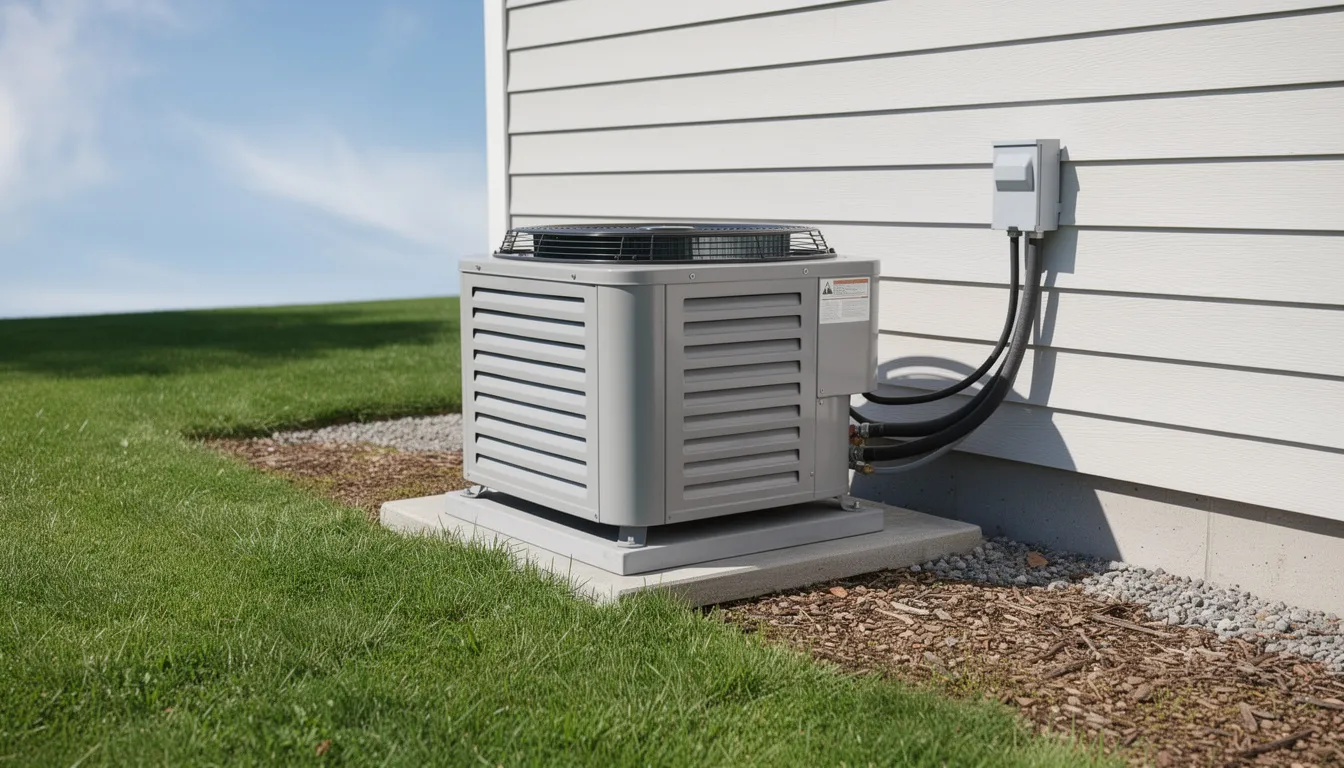
Consider a typical residential setup in a Gahanna, Ohio home: an 80,000 BTU gas furnace in the basement connects to supply and return ductwork running throughout the house. An evaporator coil sits above the furnace, paired with an outdoor unit containing the condenser and compressor. A metering device is also a crucial component in this split system, as it regulates the flow of refrigerant to ensure efficient cooling. This split system delivers balanced heating and cooling without the drafts common in older window units.
The simplest analogy? Your hvac system is like the lungs and heart of your home—constantly circulating approximately 400 cubic feet per minute of conditioned air through a standard 2,000 square foot residence.
What Does HVAC Mean for Your Home Comfort?
HVAC isn’t just about making rooms warmer or cooler. It directly affects your health, daily comfort, and even your property value.
Residential hvac systems perform year-round duty: heating during winter, cooling during summer, and managing humidity through every season. This matters especially in humid climates like Southwest Florida where summer humidity often exceeds 70%, and in Central Ohio where damp basements routinely reach 60%+ relative humidity without proper dehumidification.
Here’s what a well-designed system delivers:
- More stable temperatures with fewer hot and cold spots between rooms
- Reduced drafts compared to older or poorly designed systems
- Lower indoor allergens when paired with good filtration (MERV 13+ filters capture 90% of particles down to 1-3 microns). Using an air cleaner can further reduce airborne particles, contaminants, and improve overall indoor air quality.
- Less mold risk through proper dehumidification maintaining 40-60% relative humidity
- Property value enhancement of 5-10% from efficient systems, according to National Association of Realtors studies
Dor-Mar offers integrated heating, cooling, plumbing, electrical, and radon mitigation services beyond the hvac equipment itself—heating, cooling, plumbing, water treatment, electrical, radon mitigation—to support overall home comfort. Ohio’s radon averages 4-10 pCi/L, making mitigation an important consideration alongside air quality.
Properly designed hvac systems also protect your home. In Ohio winters, maintaining indoor temperatures above 55°F prevents frozen pipes. Humidity control protects hardwood floors from warping (ideal relative humidity sits between 45-55%) and preserves sensitive belongings like musical instruments and artwork.
Key Energy Efficiency Terms for HVAC Systems
Efficiency ratings help you compare systems and estimate operating costs before making a purchase decision. Understanding these numbers is essential because the U.S. Department of Energy updated standards in 2023 for SEER2, EER2, and HSPF2, reflecting real-world conditions like duct losses and fan heat more accurately than prior metrics.
The general principle is straightforward: higher efficiency usually means higher upfront cost but lower utility bills over time. Premium units can cost 30-100% more initially ($5,000-$15,000 for high-end equipment) but deliver 20-50% energy savings throughout their lifespan. Dor-Mar can help homeowners run the numbers for Central Ohio and Southwest Florida climates, factoring in local utility rates—Ohio gas runs approximately $1.20 per therm while Florida electricity averages around $0.14 per kWh.
Rebates, tax credits, and utility incentives may be available for qualifying high-efficiency hvac equipment. ENERGY STAR benchmarks (like 15 SEER2 minimum for air conditioning) often unlock rebates up to $800 through utilities like AEP Ohio or FPL. The Inflation Reduction Act provides federal tax credits potentially saving $2,000+ on qualifying installations.
The following subsections define each main efficiency rating using plain examples relevant to home furnaces, heat pumps, and AC units.
AFUE (Annual Fuel Utilization Efficiency)
AFUE measures the percentage of fuel energy a gas or oil furnace or boiler converts into usable heat for your home versus what escapes up the flue.
- An 80% AFUE furnace converts 80 cents of every fuel dollar into heat, wasting 20% (roughly $400 per year on average Ohio heating bills)
- A 95-98% AFUE condensing furnace recovers latent heat via secondary exchangers, slashing winter gas use by 20-30%
- In Columbus and surrounding communities, this efficiency difference translates to $300-500 annual savings for a typical 2,000 square foot home
Since 2015, federal regulations mandate 95% AFUE minimums for new gas furnaces in northern states like Ohio, driving adoption of modulating burners that adjust output in 1% increments for steady temperatures within ±1°F.
Homeowners replacing furnaces older than 15-20 years (often operating at 60-70% AFUE) may see 25-40% savings by upgrading to a modern high-AFUE model installed by Dor-Mar.
HSPF2 (Heating Seasonal Performance Factor 2)
HSPF2 measures the seasonal heating efficiency of heat pumps using updated 2023 testing procedures that better reflect real-world duct losses and operating conditions.
- This rating matters most for homes relying on an electric heat pump for primary heat in milder climates like Southwest Florida or during shoulder seasons in Ohio
- Modern residential units typically range from 7-9+ HSPF2, with higher numbers indicating more efficient cold-weather performance
- An 8.5 HSPF2 unit delivers approximately 2.5 times the efficiency of baseboard electric heat
Cold-climate heat pump models (like Mitsubishi Hyper-Heat) maintain capacity down to -13°F, though Dor-Mar carefully weighs them against gas furnaces given Ohio’s electric rates and peak heating demands. The calculation involves comparing HSPF2 against upfront equipment cost and local electricity pricing.
SEER2 (Seasonal Energy Efficiency Ratio 2)
SEER2 represents the updated seasonal cooling efficiency rating for central air conditioners and heat pumps—essentially how much cooling you get per unit of electricity over a typical summer.
As of 2023, minimum SEER2 standards differ by region:
- Northern states like Ohio require 14.3 SEER2 minimum
- Southern states like Florida require 15.2 SEER2 minimum
Consider a simple comparison: upgrading from an older 10 SEER-equivalent ac unit to a 15-18 SEER2 system in a typical 2,000 square foot home can cut cooling bills by 30-40%—saving $200-400 annually in Florida’s 1,500 cooling hours.
When replacing an AC with Dor-Mar, consider SEER2 alongside comfort features. Variable-speed compressors ramp between 40-120% capacity for better dehumidification (achieving 50% relative humidity versus 60% with single-stage units) and quieter 55 dB operation.
EER2 (Energy Efficiency Ratio 2)
EER2 measures cooling efficiency at a fixed outdoor temperature (commonly 95°F), giving a snapshot of performance during peak heat conditions.
Why does this matter?
- Very hot, sunny climates see 20-30% efficiency drops in extreme heat with lower EER2 units
- Florida’s 100°F+ summer days demand high EER2 12+ ratings for consistent performance
- Rooftop units on small businesses that run constantly benefit especially from strong EER2 numbers
The difference between SEER2 (seasonal average) and EER2 (single peak condition) helps you understand how equipment performs across different scenarios. Both numbers appear on modern equipment labels.
Dor-Mar comfort specialists interpret rating pairs like 16 SEER2/12 EER2 to help match homeowners with systems balancing purchase price and daily operating costs.
BTU (British Thermal Unit)
BTU measures heating or cooling capacity—specifically, the energy needed to change the temperature of one pound of water by one degree Fahrenheit.
Typical residential system ranges:
- Central AC and furnaces: 24,000 to 60,000 BTU
- AC “tonnage” equals 12,000 BTU per ton (a 3-ton unit produces 36,000 BTU/hour)
Correct sizing is absolutely critical. Oversizing causes 15-minute short-cycling, spiking humidity and accelerating wear (compressor failures occur 2x faster). Undersizing strains equipment 20% beyond capacity, resulting in poor comfort and premature breakdown.
Dor-Mar uses professional load calculations following Manual J standards (ACCA guidelines) rather than rules of thumb. This method factors in insulation R-values, window solar heat gain coefficients, occupancy, and local climate data, yielding ±5% sizing accuracy. Square footage rules commonly err by 20-50%.
Core Components of a Residential HVAC System
A complete hvac system is a network of indoor and outdoor components working together—not just one piece of equipment. Some homes have all of these components, while others have only a subset depending on whether they use a furnace, heat pump, or ductless solution.
The following subsections cover the major components you might find: air conditioners, heat pumps, furnaces, air handlers, ductwork, humidifiers and dehumidifiers, air cleaners, ventilation equipment, thermostats, boilers, geothermal units, and radiant systems.
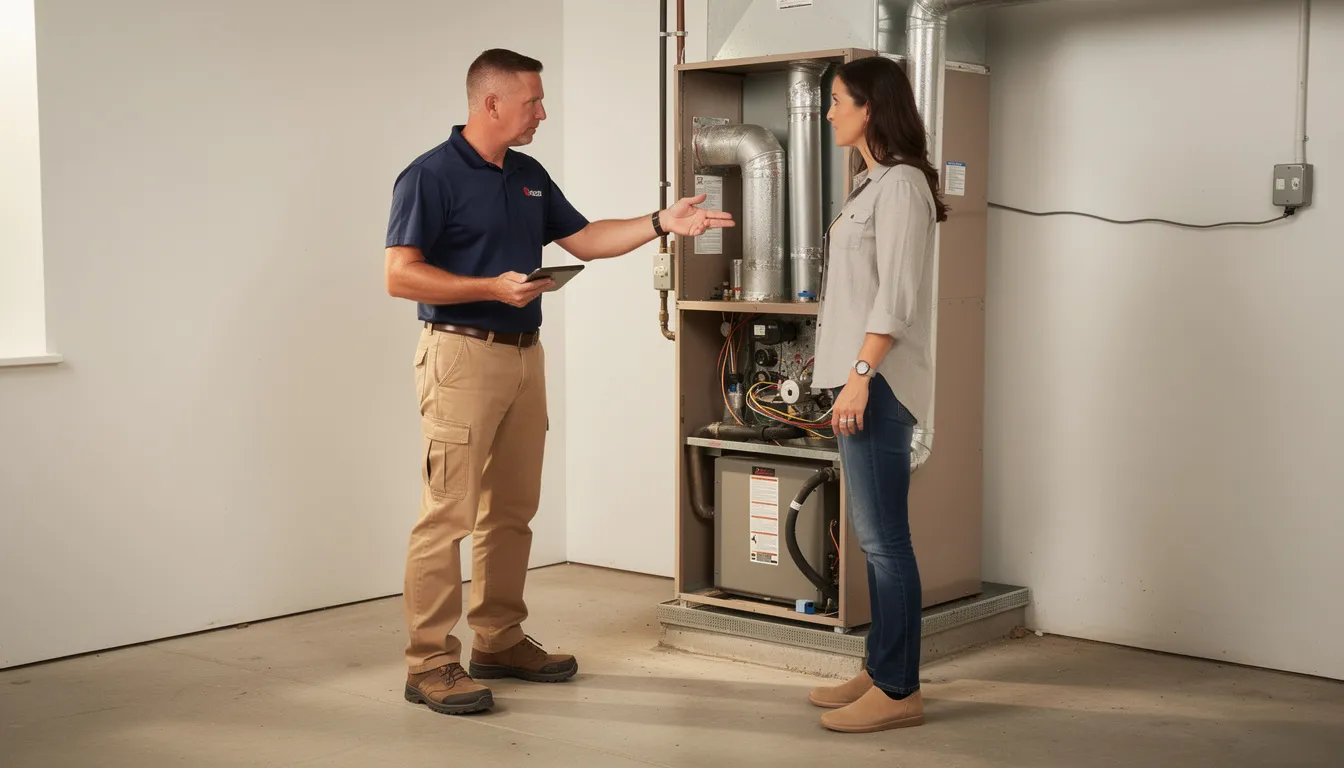
Picture where each component lives in a typical home: the outdoor unit on a concrete pad beside the house, the furnace or air handler in the basement or utility closet, ductwork running through walls and ceilings, and the thermostat on an interior wall.
Dor-Mar services and installs most of these components across Central Ohio and Southwest Florida for both residential and light commercial clients.
Air Conditioner (Central AC)
Central air conditioners remove heat and humidity from indoor air using an outdoor condenser and an indoor evaporator coil connected through refrigerant lines and tied into ductwork. The refrigeration cycle absorbs heat inside your home, transfers it via liquid refrigerant, and rejects it outside through the condensing coil.
Signs your AC may need repair or replacement:
- Weak airflow from vents
- Warm air when cooling should be running
- Ice forming on refrigerant lines
- Rising electric bills during Ohio or Florida summers
Operational differences matter for comfort:
- Single-stage: Full blast on/off operation
- Two-stage: 65% or 100% capacity for better humidity control
- Variable-speed: 1-100% modulation for enhanced dehumidification and quieter operation
Dor-Mar offers AC maintenance, repair, and new installations. Annual tune-ups before the cooling season—cleaning the evaporator coil, checking refrigerant charge, and inspecting electrical components—extend equipment life 3-5 years and prevent costly mid-summer breakdowns.
Heat Pump
A heat pump works like a reversible AC that can both cool in summer and move outdoor heat indoors during winter using the same refrigeration cycle. The key difference is a reversing valve that changes refrigerant flow direction.
Heat pumps are popular in moderate climates and increasingly common in Ohio as part of electrification efforts and high-efficiency upgrades. Modern cold-climate models maintain heating capacity at below-freezing temperatures—some operating effectively down to -22°F.
In cooling mode, the heat pump extracts heat from indoor air and rejects it outside. In heating mode, it reverses: extracting heat from outdoor air (yes, even cold air contains heat energy) and transferring it inside. Air-source models achieve COP (coefficient of performance) ratings of 3-4, meaning 300-400% efficiency compared to straight electric resistance heating.
Dor-Mar installs and services air-source heat pumps and can integrate them into dual-fuel systems with existing gas furnaces for optimal efficiency across Ohio’s temperature extremes.
Furnace
Furnaces are combustion-based heating units, most commonly powered by natural gas in Central Ohio, that heat air and push it through ductwork. The process involves burning fuel in a combustion chamber, transferring that heat through a heat exchanger (where stainless steel construction isolates combustion gases from breathable air at 1,400°F), and blowing warm air throughout your home.
Furnace types differ significantly:
- Single-stage: On/off operation, less consistent temperatures
- Two-stage: High/low fire for better comfort and efficiency
- Modulating: 35-100% output adjustment in fine increments for ±0.5°F temperature control
Annual furnace inspections are essential for safety and reliability. Technicians check for cracked heat exchangers (5% failure rate after 15 years), gas leaks, proper venting of combustion gases including carbon monoxide, and amp draws on blower motors.
Dor-Mar offers furnace repair, replacement, and new installations, plus emergency service for no-heat calls on cold Ohio nights. Modern 95%+ AFUE condensing furnaces vent through PVC pipes rather than traditional chimneys.
Air Handler
An air handler is the indoor unit containing a blower and coil, typically paired with a heat pump or central AC in all-electric homes. It moves conditioned air through the duct system and can house advanced filtration or UV purification options.
Blower types affect efficiency and comfort:
- PSC motors: Standard, less efficient
- ECM/variable-speed motors: 50-75% less energy consumption, better airflow matching
Proper blower speed and configuration impact comfort, quiet operation, and efficiency. Static pressure should typically measure around 0.5” WC for optimal performance.
Dor-Mar can replace aging air handlers, upgrade blower motors, and ensure systems are properly balanced throughout your home.
Ductwork
Ductwork is the network of supply and return air channels, made from sheet metal or flexible duct, that distribute conditioned air throughout every room. Typical residential ducts range from 6-14 inches in diameter, with proper design targeting 0.08” friction per square foot and 700 FPM velocity.
Duct problems waste significant energy:
- Leaky ducts waste 20-40% of conditioned air
- Poorly insulated ducts in unconditioned spaces (attics, crawlspaces) lose even more
- Undersized ducts create hot and cold spots regardless of equipment quality
- Sealing to less than 5% leakage (per SMACNA standards) dramatically improves efficiency
Dor-Mar can inspect, seal, repair, or redesign ductwork during system replacements or comfort upgrades. Aeroseal treatments can fix 90% of duct leakage. If certain rooms stay consistently uncomfortable, the problem may lie in ductwork rather than the furnace or AC itself.
Humidifier and Dehumidifier
Whole-house humidifiers add moisture during dry winter months (common in gas-heated Ohio homes), while dehumidifiers remove excess moisture in humid climates like Florida or damp basements.
Comfort and health benefits include:
- Less dry skin, irritated sinuses, and static electricity when humidity stays balanced
- Recommended indoor ranges: 35-40% relative humidity in winter, 40-60% in summer
- Integrated dehumidifiers can extract up to 100 pints daily in problem spaces
Overly high humidity contributes to mold growth, musty odors, and damage to wood finishes. Overly low humidity causes respiratory irritation, cracked woodwork, and static discharge.
Dor-Mar can integrate whole-home humidity control into existing hvac systems and help set proper targets for each region served—addressing Ohio’s dry winter heating and Florida’s perpetually humid conditions.
Whole-House Air Cleaners
Whole-house air cleaners and media filters upgrade standard 1-inch filters, capturing finer dust, pollen, pet dander, and some pathogens that basic filtration misses.
Filter categories vary significantly:
- Basic filters (MERV 8): Capture larger particles
- High-MERV media cabinets (MERV 13-16): Capture 90-95% of particles including PM2.5
- Electronic air cleaners: Use electrostatic charge to trap particles
- UV-based purification: Inactivates 99.9% of microbes passing through
These products help especially in households with allergies, asthma, pets, or concerns about indoor air quality. Fresh air quality depends on proper filtration removing stale air contaminants.
Dor-Mar offers a range of IAQ solutions and can recommend appropriate filtration levels without over-restricting airflow—which can damage equipment and reduce efficiency.
Whole-House Ventilation
Tightly built modern homes may need mechanical ventilation to regularly exchange stale air with fresh air from outside. ASHRAE 62.2 standards mandate 30-60 CFM for proper air exchange.
Two main equipment types handle this:
- HRV (Heat Recovery Ventilator): Recovers 70-85% of sensible heat while exhausting stale air
- ERV (Energy Recovery Ventilator): Recovers both heat and moisture (50% latent recovery), better for humid climates
Benefits include reduced indoor pollutants (including off-gassing from building materials and furnishings), more consistent humidity levels, and better overall air freshness without opening windows and losing conditioned air.
Dor-Mar evaluates ventilation needs during new construction system design or major renovations, especially for high-performance, tightly sealed homes.
Thermostat
The thermostat serves as control center of your hvac system, determining when heating ventilation and cooling equipment turns on and off based on set temperatures and schedules. Modern thermostats go far beyond simple temperature sensing.
Thermostat evolution:
- Basic programmable: Set schedules for home, away, sleep
- Wi-Fi smart thermostats: Remote control via smartphone, learning algorithms, energy usage reports
- Communicating systems: Full integration with variable-speed equipment for optimized staging
Smart controls like Nest or Ecobee can save 10-15% on energy bills through learned patterns and geofencing that auto-adjusts temperatures when you leave or return. They integrate with zoning systems, humidity controls, and home automation platforms.
Dor-Mar installs and configures thermostats, showing homeowners how to maximize energy savings without sacrificing comfort.
Boilers
Boilers heat water instead of air, distributing warmth through radiators, baseboard units, or in-floor radiant piping. They use fire-tube designs with 85% AFUE efficiency for hydronic systems rated 100-200 MBH.
While less common in newer Central Ohio homes, boilers remain in many older houses and some light commercial buildings. Advantages include:
- Even, gentle heat without the drafts of forced-air systems
- Quiet operation with minimal air movement
- Zone control through circulators and zone valves
Monitoring pressure, checking for leaks, and bleeding air from lines are essential maintenance tasks.
Dor-Mar offers boiler maintenance and replacement services where applicable in their service area.
Geothermal Heat Pump
Geothermal systems are high-efficiency heat pumps that exchange heat with the ground through buried loop piping rather than with outdoor air. Underground temperatures remain stable (typically 45-75°F depending on depth and region), dramatically improving year-round efficiency.
System characteristics:
- Loop types: Horizontal (shallow, more yard space needed) or vertical (deeper wells, smaller footprint)
- Efficiency: EER ratings of 20-30, far exceeding air-source systems
- Longevity: Ground loops last 25+ years; indoor equipment 15-20 years
- Incentives: 30% federal tax credit available
The higher upfront installation cost requires adequate yard or well space and appropriate soil conductivity. However, long-term energy savings often justify the investment.
Dor-Mar can advise whether geothermal is realistic for a given Central Ohio property or coastal communities like Marco Island, Florida, considering soil conditions, lot size, and budget constraints.
Radiant Heating
Radiant heating warms floors or panels directly, radiating heat to people and objects rather than heating large volumes of air. This approach eliminates drafts and creates exceptionally even temperature distribution.
Two primary types exist:
- Hydronic (hot water): PEX tubing spaced 1/2” apart, supplied at 120°F, delivering 20 BTU per square foot heat flux
- Electric: Resistance cables or mats, 10-15 watts per square foot, often used in bathrooms
Benefits include warm floors (especially appreciated on cold Ohio mornings), reduced air stratification, and compatibility with boilers or dedicated radiant equipment.
Dor-Mar can service many hydronic components and integrate radiant with other hvac and plumbing systems where appropriate.
Common Types of HVAC Systems for Homes
Most homeowners choose among split systems, dual-fuel setups, ductless mini-splits, or packaged units depending on home design and regional climate. Each has distinct advantages and ideal applications.
Proper system selection requires professional evaluation of:
- Home size and insulation levels
- Existing ductwork condition and capacity
- Available fuel sources (natural gas availability varies)
- Budget for both installation and ongoing operation
- Comfort priorities and noise tolerance
The following subsections summarize how each system works, ideal use cases, and pros and cons for Central Ohio and Southwest Florida homeowners.
Dor-Mar provides free estimates on new hvac installations and replacements, helping you compare options side by side.
Split System
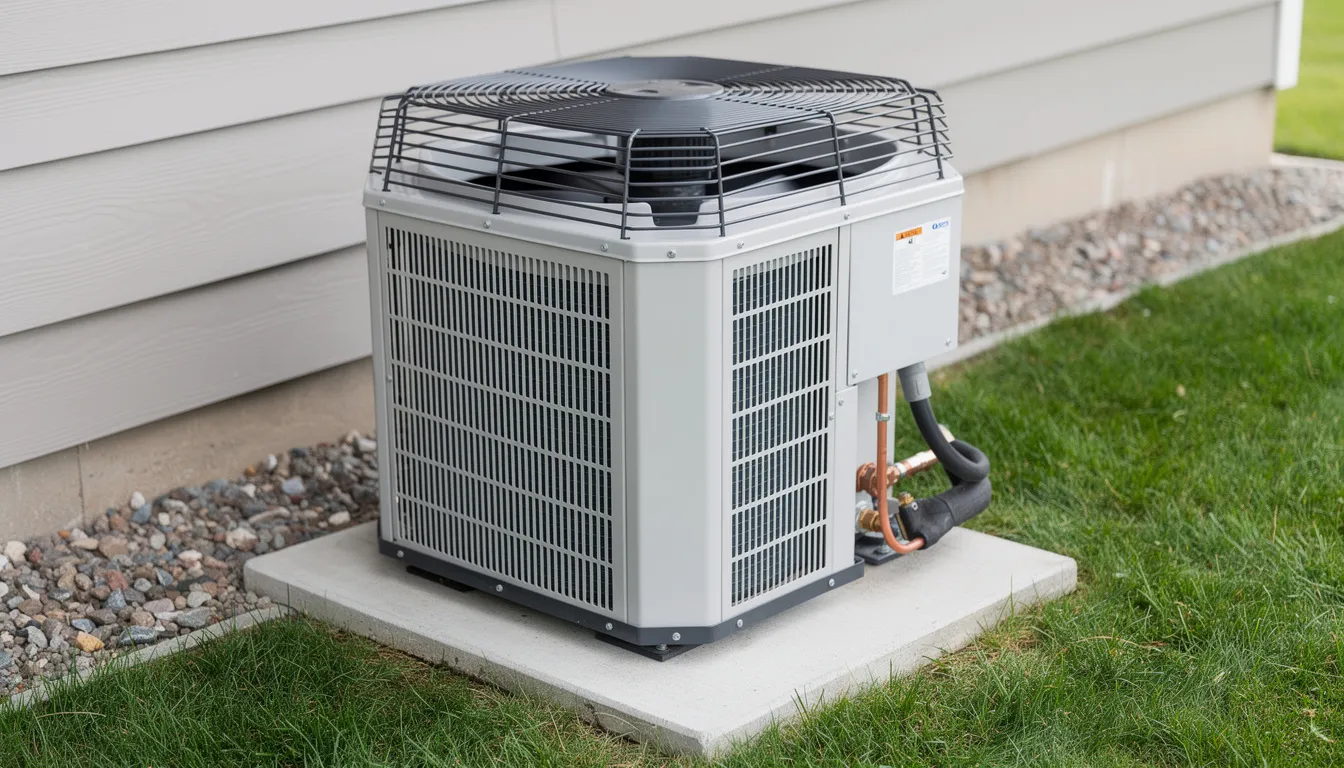
A split system is the most common central hvac layout, with an outdoor condenser or heat pump and indoor furnace or air handler connected by refrigerant lines and ductwork. Approximately 80% of U.S. homes use this configuration.
This design is typical for single family homes with basements or utility rooms, as found throughout Franklin County and nearby communities. The outdoor unit sits on a concrete pad, while the indoor unit resides in a basement, closet, or attic.
Advantages include:
- Flexibility in equipment choices and efficiency levels
- Good serviceability with separate indoor and outdoor components
- Ability to mix gas furnaces with high-efficiency AC or heat pump units
- Well-established installation practices and available parts
Dor-Mar specializes in designing and installing matched split systems correctly sized and balanced for each home’s specific heating and cooling loads.
Dual-Fuel Heat Pump System
Dual-fuel systems are hybrids pairing an electric heat pump with a gas furnace, automatically switching to the most efficient or comfortable heat source based on outdoor temperature.
How it works:
- In moderate weather (above roughly 35-40°F in Ohio), the heat pump handles heating with 200-300% efficiency
- In deeper cold, the gas furnace takes over for reliable supplemental heat
- Smart controls manage the switchover point based on outdoor temperature and equipment capacity
This configuration delivers energy savings of approximately 25% compared to furnace-only operation while maintaining comfort during extreme cold. It’s especially valuable where gas is available but electric rates are favorable during milder periods.
Dor-Mar can retrofit dual-fuel systems into many existing furnace installations, adding a compatible outdoor unit and appropriate controls to create hybrid operation.
Ductless Mini-Split System
Ductless mini-splits connect an outdoor unit to one or more small indoor heads mounted on walls, ceilings, or floor stands—with no ductwork required.
Ideal applications include:
- Home additions and finished basements where extending ductwork is impractical
- Older homes without existing duct systems
- Finished attics, garages, and bonus rooms
- Florida rooms, lanais, and sunrooms with high cooling loads
Multi-zone systems allow different temperatures in different rooms, improving comfort and saving energy when used thoughtfully. Modern ductless units achieve SEER ratings of 25-33—among the highest available.
Dor-Mar installs ductless solutions from reputable manufacturers and can advise where ductless is preferable to extending existing ductwork (often avoiding major construction).
Packaged System
Packaged systems combine heating and cooling components into one outdoor cabinet, typically located on a concrete pad or rooftop. Ducts run directly to the unit rather than through an indoor air handler.
Common applications:
- Smaller homes with limited indoor space for equipment
- Mobile or manufactured homes
- Some light commercial buildings
- Homes built on slabs without basements
Pros and cons:
- Space savings indoors (no utility room needed)
- All maintenance accessible from one location
- Higher exposure to weather elements
- Potentially more noise outdoors
- 10-15% higher service costs in some areas
Dor-Mar services and replaces packaged units and can recommend when they’re the most practical choice for a given property.
How an HVAC System Works Day-to-Day
Understanding your system’s daily operation helps you recognize normal behavior versus potential problems.
The basic sequence starts at the thermostat. You set a desired temperature, the thermostat senses when actual temperature deviates (typically 1°F hysteresis), and it signals equipment to respond.
For cooling:
- Thermostat calls for cooling
- Outdoor compressor starts (with 5-minute anti-short-cycle delay for protection)
- Refrigerant absorbs indoor heat at the evaporator coil (approximately 40°F)
- Refrigerant travels to outdoor coil where heat is rejected (approximately 120°F)
- Blower pushes cooled air through ductwork
- Cycle continues until temperature satisfies the setpoint
For heating with a furnace:
- Thermostat calls for heat
- Safety systems verify proper conditions
- Furnace executes 3-second prepurge, 10-second ignition sequence
- Blower starts after brief heat exchanger warm-up
- Warm air distributes through supply vents
- 60-second postpurge clears combustion gases after call ends
Ductless systems skip ductwork entirely, delivering conditioned air directly from indoor heads into individual rooms. This makes them simpler but more localized in their effect.
Modern variable-speed systems modulate output to match exact loads, avoiding frequent on-off cycling that wastes energy and creates temperature swings.
HVAC Codes, Standards, and Safety
HVAC work is governed by national, state, and local codes protecting families and property. These aren’t bureaucratic hurdles—they represent decades of safety lessons learned.
Applicable regulations include:
- International Mechanical Code/International Residential Code (IMC/IRC) 2021 editions
- State and local building codes (Ohio and Florida have specific requirements)
- Electrical codes for safe wiring and circuit protection
- EPA Section 608 for refrigerant handling (R-410A phasedown to R-32 by 2025)
- Manufacturer installation requirements that affect warranty coverage
A background in electrical engineering is essential for understanding and applying electrical codes, ensuring that HVAC system installations are both safe and compliant with all regulations.
Key safety considerations:
- Proper venting of combustion gases (Category IV venting uses 2” PVC for condensing furnaces)
- Correct refrigerant charging (±5% of specification)
- Safe electrical connections with arc-fault breakers
- CO detectors with 5-year battery backup
- Proper clearances from combustibles
Dor-Mar technicians are trained, licensed where required, and follow current codes in both Ohio and Florida, including permitting and inspections when necessary.
Choosing a reputable air conditioning contractors reduces risks of carbon monoxide issues, fire hazards, and premature equipment failure caused by improper installation.
Choosing the Right HVAC System for Your Home
The “right” system matches your climate, house characteristics, comfort expectations, and budget—not simply the biggest or cheapest unit available.
Main factors to consider:
| Factor | Ohio Consideration | Florida Consideration |
|---|---|---|
| Heating priority | High (below freezing winters) | Low (mild winters) |
| Cooling priority | Moderate (humid summers) | Very high (year-round) |
| Humidity control | Basement moisture + winter dryness | Constant dehumidification |
| Fuel availability | Natural gas common | All-electric common |
| Efficiency focus | AFUE and HSPF2 | SEER2 and EER2 |
| Ohio homes typically prioritize robust heating and shoulder-season heat pump performance. Southwest Florida homes focus on humidity control, efficient cooling systems, and equipment that handles constant cooling loads without excessive energy consumption. |
Schedule a free in-home consultation with Dor-Mar for a professional load calculation, equipment options review, and written estimate.
Also think long-term: maintenance costs, warranty coverage, and compatibility with future upgrades like zoning or solar panels all affect total ownership value.
How Much Does a New HVAC System Cost?
Pricing varies significantly based on equipment type, size, brand, duct modifications, and regional labor differences. These figures represent approximate ranges rather than guaranteed quotes.
Typical full-system replacement ranges (1,800-2,400 sq. ft. home):
- Complete furnace + AC system: $7,000-$15,000
- Heat pump + air handler system: $6,000-$14,000
- Premium variable-speed systems: 20-50% higher than base models
Major cost drivers:
- Capacity (BTU/tonnage) required for your specific home
- Efficiency ratings selected (higher ratings cost more upfront)
- Advanced features (variable-speed compressors, communicating controls)
- Duct repairs, sealing, or replacement needs
- Indoor air quality add-ons (humidifiers, air cleaners, UV purification)
Dor-Mar provides free, no-obligation estimates and can discuss financing options, manufacturer promotions, and eligible rebates to help manage upfront costs.
Quality installation by an experienced team often matters more for reliability and comfort than brand name alone.
AC Replacement Cost
Replacing only the central AC portion (when the furnace remains in good condition and properly matched) typically ranges from $4,000-$8,000 depending on efficiency and features.
Factors affecting final price:
- SEER2 rating (baseline 14-15 vs. premium 18-20+)
- Variable-speed vs. single-stage technology
- Whether the indoor evaporator coil also needs replacement
- Refrigerant line condition and accessibility
Sometimes replacing the furnace and AC together at one time makes both technical and financial sense—matched systems perform better and may qualify for better warranty coverage.
Contact Dor-Mar for a detailed AC replacement quote tailored to your square footage, ductwork, and comfort goals.
Furnace Replacement Cost
Furnace replacement typically ranges from $3,500-$7,000, with high-AFUE condensing models and advanced modulating operation at the higher end.
Additional cost factors:
- Venting upgrades (switching from B-vent to PVC for condensing units)
- Gas line modifications for higher-capacity units
- Code updates accumulated over years since original installation
- Ductwork modifications for improved airflow
In some cases, switching from older oil or propane systems to natural gas or high-efficiency heat pump changes both installation cost and long-term energy spending calculations.
Central Ohio homeowners can request a furnace replacement estimate from Dor-Mar, including comparison of several efficiency levels.
Air Handler Cost
Air handler costs typically range from $2,000-$4,000, depending on blower type (standard vs. ECM/variable-speed), coil type, and proper match with existing or new equipment.
Conversions from gas furnaces to all-electric heat pumps often include installing a new air handler in place of the furnace—a significant project requiring electrical upgrades.
Qualifying high-efficiency systems may be eligible for federal tax credits or local utility rebates, which Dor-Mar can help navigate. Ask for a breakdown of equipment, labor, and any needed electrical or structural modifications in your quote.
HVAC Installation and Why Professional Work Matters
HVAC installation involves gas lines, high-voltage electricity, refrigerant handling, and building codes—making DIY work both unsafe and often illegal.
Key installation steps:
- Equipment selection based on professional load calculations
- Proper sizing using Manual J, D, S, and N methodologies
- Duct design and vent positioning
- Equipment setting, leveling, and securing
- Refrigerant charging line evacuation (500 microns vacuum minimum)
- Startup testing including airflow verification (400 CFM per ton)
Refrigerant handling in the United States requires EPA Section 608 certification. Improper refrigerant charging can destroy compressors within months and void warranties.
Dor-Mar’s process-driven approach includes:
- Permitting where necessary
- Code-compliant work throughout
- Manufacturer-approved practices
- Post-installation walkthroughs with homeowners
When evaluating installers, ask about licensing, insurance, training certifications, and references. Prioritize long-term reliability over the lowest quote—poor installation haunts homeowners for years through inefficiency, breakdowns, and shortened equipment life.
Finding the Right HVAC Company Near You
Choosing a qualified, trustworthy contractor matters as much as selecting the right equipment brand and model. The hvac industry includes many service providers, but quality varies dramatically.
Practical vetting steps:
- Read recent online reviews (look for patterns, not just individual complaints)
- Check Better Business Bureau ratings (Dor-Mar maintains A+ BBB rating)
- Verify state licensing requirements are met
- Confirm insurance coverage (liability and workers’ compensation)
- Ask about experience with specific systems you’re considering
Questions to ask potential contractors:
- How many years have you serviced this type of equipment?
- Do you offer emergency service availability?
- What maintenance agreements or memberships do you provide?
- Can you provide references from recent installations?
Dor-Mar has been family-operated since 1962, with thousands of local installations and strong reputation across Central Ohio communities (including Franklin County, Gahanna, and surrounding areas) and in Southwest Florida.
Compare at least two detailed written proposals—not just rough verbal estimates—before making a final decision. The hvac professionals you choose will impact your comfort for the next 15-20 years.
Routine HVAC Maintenance and Home Comfort Memberships
Regular maintenance keeps systems efficient, extends equipment life, and helps prevent surprise breakdowns during extreme weather when hvac technicians are busiest.
Annual cooling system tasks:
- Evaporator and condenser coil cleaning
- Refrigerant charge verification
- Electrical connection inspection and tightening
- Capacitor and contactor testing
- Drain line clearing
Annual heating system tasks:
- Burner cleaning and adjustment
- Heat exchanger inspection for cracks
- Safety control testing
- Combustion analysis
- Amp draw measurements
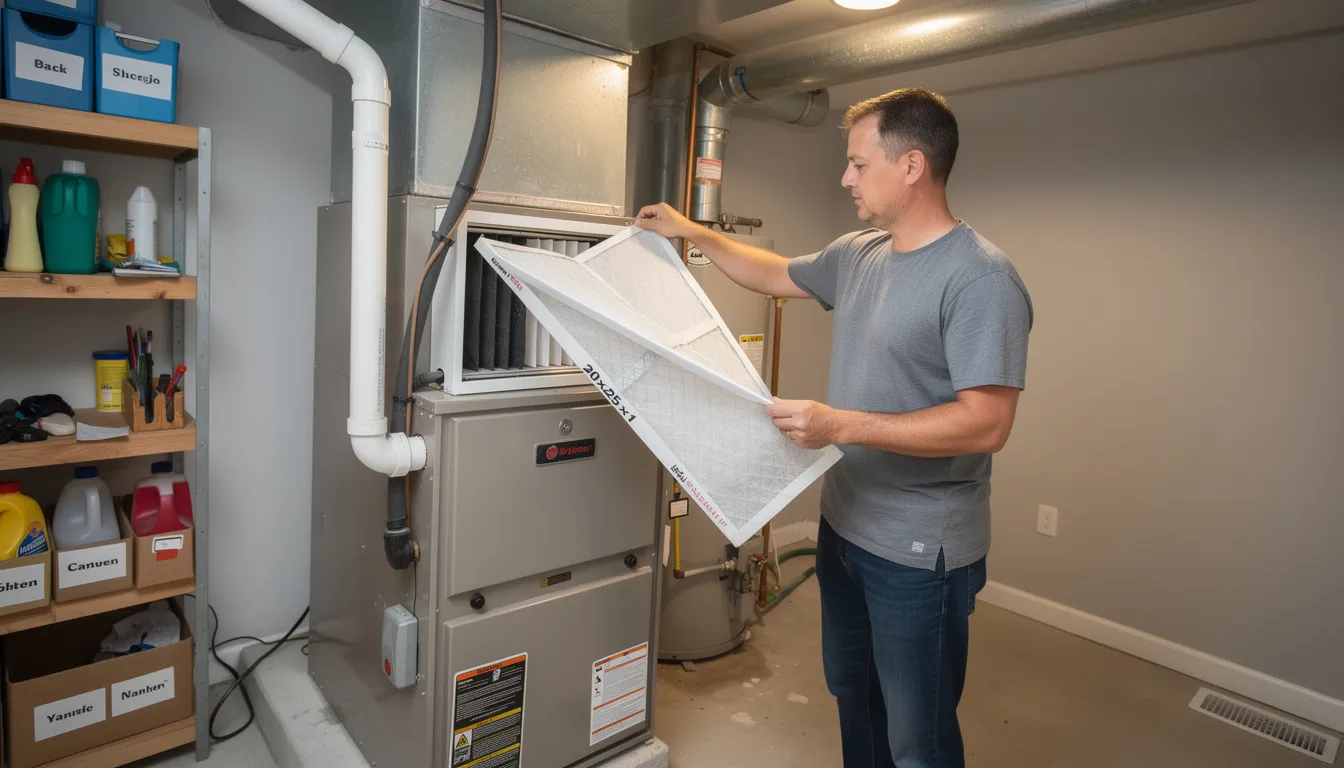
Filter replacement basics:
- Standard 1-inch filters: every 1-3 months
- High-MERV media filters: every 6-12 months
- Homes with pets, smokers, or allergy sufferers: more frequent changes
- Clogged filters damage equipment and degrade indoor air quality
Dor-Mar’s Home Comfort Membership provides:
- Scheduled tune-ups for heating and cooling equipment
- Priority service when you need repairs
- Discounts on repair costs and equipment purchases
- Maintenance reminders so nothing falls through the cracks
Think of hvac maintenance like oil changes on a car—routine, relatively inexpensive, and essential for long-term reliability. A $150 tune-up can prevent a $1,500 emergency repair.
Why Homeowners Trust Dor-Mar Heating, Air Conditioning & Plumbing
Years ago, in 1962, Dor-Mar began serving homeowners with straightforward values: honest work, fair pricing, and treating every home like their own. Those principles continue today across Central Ohio and Southwest Florida.
Core service lines:
- Furnace and boiler repair and installation
- Heat pump and AC services
- Plumbing and drain cleaning
- Water treatment and purification
- Radon mitigation
- Electrical and appliance repair
- Indoor air quality solutions
Customer-focused practices:
- Clear communication about problems and solutions
- Upfront pricing before work begins
- Factory-trained hvac technicians
- Strong emphasis on safety and code compliance
- Available emergency heating and cooling services
When no-heat calls come in on Ohio’s coldest nights or AC failures strike during Florida’s hottest days, Dor-Mar responds. The company’s longevity—over six decades—reflects consistent customer support and quality service delivery.
Ready to improve your home comfort? Schedule service online, call for a free estimate on system replacement, or ask about the Home Comfort Membership for ongoing peace of mind.
FAQ
These questions address common concerns not fully covered in the main sections. Answers are brief, practical, and written for homeowners rather than hvac engineers or hvac school students.
How long does a residential HVAC system typically last?
Typical lifespans with proper maintenance:
- Central AC and heat pumps: 12-15 years
- Furnaces: 15-20+ years
- Boilers: 20-30 years
- Ductless mini-splits: 15-20 years
Coastal environments (like Southwest Florida’s salt air), deferred maintenance, and poor installation can cut these lifespans in half. Dor-Mar can inspect older systems and provide honest assessment of expected remaining life and potential upcoming repair costs.
Should I repair or replace my old HVAC system?
Common decision points favoring replacement:
- Equipment age over 10-15 years
- Frequent breakdowns (more than 2-3 per year)
- Major component failures (compressors, heat exchangers)
- Rising energy bills despite normal use patterns
- R-22 refrigerant systems (refrigerant no longer manufactured)
The “50% rule” provides useful guidance: if a major repair costs more than roughly half of a new system and the unit is older, replacement often makes more financial sense.
Request a repair estimate alongside a replacement quote from Dor-Mar to make an informed, side-by-side comparison.
What thermostat settings are best for comfort and savings?
General guidance for energy savings without sacrificing comfort:
- Winter: 68-72°F when home, 62-66°F at night or when away
- Summer: 75-78°F when home, 80-82°F when away
- Avoid large temperature swings that stress equipment
Programmable or smart thermostats automate these schedules and learn your patterns over days and months. Dor-Mar can help program thermostats and suggest region-specific settings balancing comfort with reasonable utility bills.
How often should I change my HVAC air filter?
Simple guidelines:
- Standard 1-inch filters: every 1-3 months
- Homes with pets: every 30-60 days
- Allergy sufferers or smokers: monthly
- High-MERV media filters: every 6-12 months per manufacturer guidelines
Check filters monthly at first to understand how quickly they get dirty in your particular home. A clean filter held up to light allows visibility through the media; a dirty one appears opaque.
Dor-Mar technicians can recommend the right filter type during maintenance visits.
Can one HVAC system heat and cool every room evenly?
A well-designed ducted system should provide relatively consistent comfort, but real-world factors create challenges:
- Room orientation (south-facing rooms gain more solar heat)
- Insulation quality variations throughout the house
- Duct layout and condition (long runs, undersized branches)
- Ceiling height differences
Possible solutions for uneven temperatures:
- Duct balancing and damper adjustment
- Zoning systems with multiple thermostats (20% evenness improvement typical)
- Ductless mini-splits for problem rooms
- Envelope upgrades (insulation, air sealing, window films)
Dor-Mar offers comfort consultations to diagnose uneven temperatures and propose targeted fixes beyond simply replacing hvac equipment.
System Sizing and Selection
Choosing the right size and type of HVAC system is one of the most important decisions you’ll make for your home’s comfort and energy efficiency. Proper system sizing ensures your heating, ventilation, and air conditioning equipment delivers reliable performance without wasting energy or causing uneven temperatures.
Professional HVAC system sizing starts with a detailed calculation of your home’s heating and cooling loads. The Air Conditioning Contractors of America (ACCA) developed the industry-standard Manual J method, which considers factors like your local climate, the amount and quality of insulation, window size and orientation, and even the heat generated by people, lighting, and appliances. This approach is far more accurate than simply basing system size on square footage or replacing old equipment with the same capacity.
When selecting a new air conditioning or heating system, it’s also essential to look at energy efficiency ratings such as the energy efficiency ratio (EER) and seasonal energy efficiency ratio (SEER). Higher ratings mean your cooling systems will use less electricity to keep your home comfortable, leading to lower energy consumption and utility bills over time.
Troubleshooting and Diagnostic Techniques
When your heating, ventilation, and air conditioning system isn’t working as it should, a systematic troubleshooting approach is essential for quick and accurate repairs. Skilled HVAC professionals rely on a combination of experience, specialized tools, and proven diagnostic techniques to pinpoint issues and restore comfort.
Common HVAC problems include refrigerant leaks, malfunctioning thermostats, clogged air filters, and faulty compressors. Technicians use diagnostic tools like multimeters to check electrical components, thermometers to verify temperature differences across the evaporator coil and condensing coil, and leak detectors to find refrigerant issues. A thorough inspection often starts with the system’s controls, followed by a check of the ductwork for blockages or leaks, and a test of all major components.
Regular maintenance—such as cleaning the evaporator and condensing coils, replacing filters, and checking refrigerant levels—can prevent many common issues before they disrupt your comfort. Keeping up with these tasks not only improves system efficiency but also helps catch small problems before they become major repairs.
Safety is always a top priority. HVAC technicians are trained to handle refrigerants and electrical components safely, following strict protocols to protect themselves and your home. Staying current with the latest technologies and diagnostic methods allows HVAC professionals to provide fast, effective solutions—whether you’re dealing with a sudden loss of warm air in winter or a cooling system that can’t keep up during a heatwave.
If you notice unusual noises, weak airflow, inconsistent temperatures, or higher-than-normal energy bills, don’t wait—schedule a diagnostic visit with a trusted HVAC contractor. Prompt attention can save you money and keep your system running smoothly all year long.
Emerging Trends and Technologies
The HVAC industry is rapidly evolving, with new technologies and trends focused on improving energy efficiency, sustainability, and overall comfort. Homeowners today have more options than ever to reduce energy consumption, lower utility bills, and enjoy a healthier indoor environment.
One of the most significant advancements is inverter technology, which allows compressors and fans to operate at variable speeds. This means your heating and cooling system can precisely match your home’s needs, using less electricity and providing more consistent temperatures. Heat pumps are also gaining popularity as an energy-efficient alternative to traditional systems, offering both heating and cooling in a single, environmentally friendly package.
Solar-powered HVAC systems are becoming more accessible as the cost of solar panels drops, allowing homeowners to harness renewable electricity for their heating and cooling needs. Smart home technologies—like Wi-Fi thermostats, zoning systems, and real-time monitoring—make it easier to control your system remotely and optimize performance for maximum energy savings.
Artificial intelligence (AI) and machine learning (ML) are starting to play a role in HVAC, helping systems predict energy demand, detect potential issues before they become problems, and automatically adjust settings for optimal comfort and efficiency. As concerns about indoor air quality grow, advanced filtration and purification technologies—such as UV light and activated carbon filters—are being integrated into modern systems to remove allergens, pathogens, and odors from the air.
Finally, the development of new, more environmentally friendly refrigerants like hydrofluoroolefins (HFOs) is helping reduce the environmental impact of cooling systems. These innovations, combined with ongoing improvements in system design and installation practices, are shaping the future of heating and cooling—making it easier than ever for homeowners to enjoy comfort, savings, and peace of mind.
Staying informed about these emerging trends ensures you can make smart choices when upgrading or replacing your HVAC system, and take full advantage of the latest advances in energy efficiency and home comfort.
Electrical Engineering in HVAC Systems
Electrical engineering is at the heart of every modern HVAC system, ensuring that heating, ventilation, and air conditioning equipment operates safely, efficiently, and reliably. While most homeowners think of HVAC in terms of warm air in winter or cool air in summer, it’s the electrical engineering behind the scenes that brings these comforts to life.
Every major component in your HVAC system—whether it’s the compressor in your air conditioning unit, the blower fan in your furnace, or the pumps in your heating ventilation setup—relies on carefully designed electrical circuits and controls. Electrical engineering principles guide the design and installation of these circuits, making sure that each part receives the right amount of power, operates in the correct sequence, and responds accurately to thermostat commands.
For example, when your thermostat signals a need for cooling, electrical controls activate the compressor and fans, coordinating the flow of electricity to start the refrigeration cycle. Safety devices, such as circuit breakers and relays, protect your system from electrical faults, while advanced control boards manage everything from variable-speed motors to smart home integrations.
Proper electrical engineering is also essential for energy efficiency. Modern HVAC systems use electronically commutated motors (ECMs) and variable-speed drives to adjust airflow and cooling output precisely, reducing energy consumption and improving comfort. These innovations depend on sophisticated electrical design and programming.
When it comes to installation and service, only trained HVAC professionals with a solid understanding of electrical engineering should handle your system’s wiring and controls. Incorrect wiring or faulty connections can lead to system failures, safety hazards, or even voided warranties. That’s why Dor-Mar’s technicians are trained to follow all electrical codes and best practices, ensuring your heating, ventilation, and air conditioning system delivers reliable performance year after year.
In summary, electrical engineering is the backbone of your HVAC system—powering every component, enabling advanced features, and safeguarding your home’s comfort. Whether you’re upgrading to a new energy-efficient air conditioning system or troubleshooting an existing unit, trust the experts who understand both the mechanical and electrical sides of heating and cooling.